
Planting
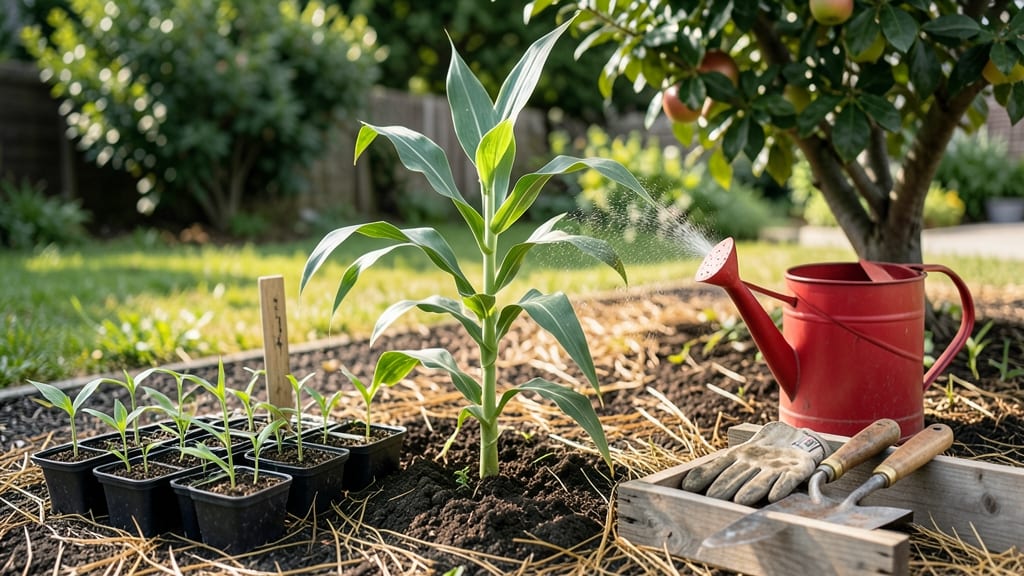
Timing your garden planting in Iowa can feel like guessing whether to wear a jacket or shorts—because one wrong move risks frost damage or wasted seeds.
With USDA Zone 5a-6a weather that swings wildly, knowing the exact window for planting 🌱 General Garden Plants (Iowa) means the difference between a bumper crop and a sad, half-dead patch.
Most gardeners in Iowa wait until after the last frost (typically around April 15), but cool-season crops like peas and lettuce can handle a little chill.
Warm-season favorites like tomatoes and peppers, though? They need to wait until the soil warms to 50°F—and that’s where the real challenge lies.
In this guide, I’ll break down the exact deadlines for planting everything from vegetables to flowers, plus how to adjust for Iowa’s unpredictable weather. Whether you’re a first-timer or a seasoned gardener, these tips will help you maximize your harvest season—from spring greens to fall squash.
Ready to stop second-guessing and start planting with confidence? Let’s dive into the perfect timing for Iowa’s gardeners.
Iowa’s USDA Zone 5 planting deadlines by vegetable type
Iowa’s USDA Zone 5 climate means your planting timeline hinges on last frost dates—typically April 15 in most regions, but earlier in southern Iowa and later in the north.
Cool-season crops like spinach and peas can handle light frosts, while tomatoes and peppers need warm soil to thrive. Missing these windows means stunted growth or failed harvests.
For cool-season vegetables, start seeds 4-6 weeks before your area’s last frost date. In Iowa, this often means March sowing for hardy greens like kale and lettuce. Warm-season crops, however, should wait until 2-3 weeks after the last frost—usually mid-to-late May—when soil temperatures consistently stay above 50°F.
Here’s how Iowa’s microclimates affect planting: Southern counties (e.g., Des Moines) can plant 1-2 weeks earlier than northern areas (e.g., Sioux City). Urban heat islands in cities like Cedar Rapids also create slightly warmer microclimates, extending your growing season.
🌱
| Crop Type | Planting Window | Notes |
|---|---|---|
| Cool-Season Veggies | March–April (4-6 wks before last frost) | Spinach, peas, lettuce, broccoli |
| Warm-Season Veggies | May–June (2-3 wks after last frost) | Tomatoes, peppers, cucumbers, beans |
| Perennials | April–May (after frost risk) | Asparagus, rhubarb, strawberries |
| Fall Crops | July–August (6-8 wks before first frost) | Kale, carrots, radishes, Brussels sprouts |
Pro tip: Use Iowa State University Extension’s frost date maps to pinpoint your local window. For example, Ames typically sees its last frost April 5, while Davenport averages April 10. These small differences matter for succession planting.
If you’re growing container gardens, warm up soil faster by placing pots in black plastic-lined beds or using heat mats. This lets you plant warm-season crops 1-2 weeks earlier than in-ground gardens. Just monitor soil temps with a thermometer—50°F+ is ideal for tomatoes and peppers.
For flowers, annuals like marigolds and zinnias thrive when planted after the last frost, while perennials like coneflowers can handle early spring soil. Always check seed packets for days to maturity—this ensures you harvest before Iowa’s first frost (October 15).
🌿
Adjust for early/late varieties: Fast-maturing crops (e.g., bush beans) can go in sooner, while slow growers (e.g., cabbage) need the full 60-90 days before frost. Plan two plantings: one for spring harvests and another for fall succession.
Don’t forget herbs! Hardy varieties like parsley and cilantro can start in early spring, while basil and dill need warm soil. Plant basil after Memorial Day to avoid frost damage—its leaves turn black below 50°F.
How to adjust planting dates for Iowa’s unpredictable weather patterns
Iowa’s last frost dates can swing by weeks—some years, you’re planting peas by April 1st, while others, snow flurries linger into mid-May.
To beat this unpredictability, I rely on three weather-proofing strategies: tracking soil temperature, using row covers, and following the 10/10/10 rule for warm-season crops. These tactics help me extend my growing season without gambling on Mother Nature.
The 10/10/10 rule is my secret weapon for warm-season plants like tomatoes and peppers. Wait until your soil hits 60°F (15°C)—not air temperature—and keep it there for 10 days. Then, plant when you’ve got 10 inches of growth ahead of you before the first frost.
This rule turns guesswork into a science, and I’ve never lost a crop to a late frost since I started using it.
Iowa’s northern counties (e.g., Sioux City) average 3 weeks later for last frost than southern areas (e.g., Des Moines). Check the Iowa State University Extension frost map before planting. A 5°F overnight dip can kill tender seedlings overnight—no exceptions!
For cool-season crops like spinach and kale, I plant 4-6 weeks before my target last frost date. If frost threatens, I cover them with lightweight row fabric (like Agribon) to add 2-4°F of protection.
This fabric also shields young plants from windburn and harsh sun after frost lifts. Pro tip: Secure the edges with bricks or soil to prevent wind damage.
Another trick I swear by is succession planting in 2-week intervals. Start with radishes (they’re ready in 30 days!) and follow with lettuce and bush beans. This way, if one batch gets nipped by frost, another is already thriving.
I also use black plastic mulch in early spring to warm the soil 5-7°F faster than bare earth—perfect for jumpstarting warm-season crops like cucumbers.
Don’t forget to monitor local microclimates. A south-facing slope warms up 2-3 days earlier than a north-facing valley. If you’re near a large body of water (like Lake Iowa), expect cooler nights that delay planting.
Use a soil thermometer—they’re cheap and save your garden from costly mistakes.
Finally, keep an eye on the Iowa Environmental Mesonet for real-time frost alerts. When they predict a hard freeze (28°F or below), I move potted plants indoors or under greenhouse plastic.
With these adjustments, I’ve pushed my harvest season from August to October—and you can too. 🌱