
Planting
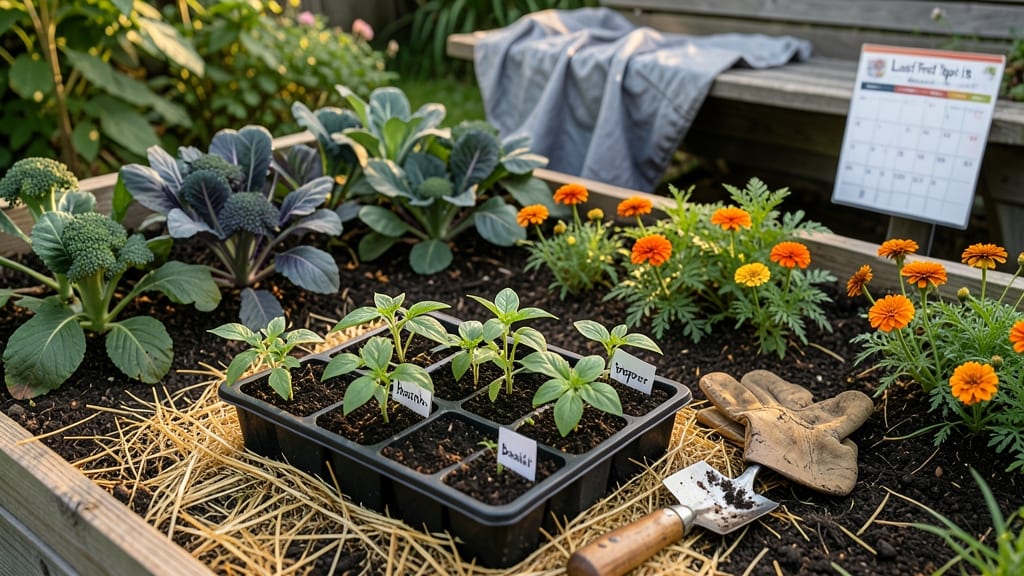
Timing your garden planting in Pennsylvania can make or break your harvest—get it wrong, and you’re either staring at frost-nipped seedlings or scrambling to replant after the last frost. With zones 5b-7a and unpredictable spring weather, knowing the exact windows for cool-season greens vs. heat-loving tomatoes is the key to a thriving 🌱 garden.
Most gardeners in Pennsylvania’s Zone 6-7 wait until mid-April (after the average last frost date) to plant warm-season crops like peppers and cucumbers, but cool-season heroes like spinach and peas can go in as early as March.
The trick? Adjusting for your microclimate—whether you’re in Pittsburgh’s cooler valleys or Philadelphia’s slightly milder urban heat islands.
In this guide, I’ll break down the perfect planting schedule for your garden, from frost dates to crop-specific deadlines. Whether you’re a first-time gardener or a seasoned green thumb, these zone-tailored tips will help you avoid common mistakes and maximize your harvest from spring to fall.
Ready to turn your backyard into a productive oasis? Let’s dive into the step-by-step planting calendar that works for Pennsylvania’s climate—no guesswork required.
Pennsylvania planting deadlines by crop type (zone 6-7 guide)
Pennsylvania’s USDA Zones 6-7 offer a 150-200 day frost-free season, but your exact planting timeline depends on whether you’re growing cool-season crops (like spinach) or warm-season crops (like tomatoes).
The average last frost date is April 15, but microclimates in cities like Philadelphia and Pittsburgh can delay frost by 1-2 weeks compared to rural areas.
For cool-season crops, start seeds 4-6 weeks before your last frost date—that’s early March for hearty varieties like kale or peas. Warm-season crops, however, must wait until two weeks after the last frost (around May 1) to avoid damage. Herbs like basil are particularly sensitive and shouldn’t go in until soil temperatures hit 55°F+.
Regional adjustments matter! Philadelphia’s urban heat island effect can push last frost dates to April 22, while Pittsburgh’s cooler climate may see frost linger until May 1.
Check your local agricultural extension office for precise data, or use a frost calendar app to track real-time conditions. Microclimates near lakes (like Erie) also experience delayed springs.
For container gardening, warm up soil faster by placing pots in south-facing spots or using black plastic mulch. This lets you plant warm-season crops 1-2 weeks earlier than in-ground gardens. Just ensure containers have drainage holes to prevent root rot in Pennsylvania’s variable spring rains.
Don’t overlook fall planting—Pennsylvania’s mild autumns allow for second harvests of greens like spinach and arugula. Aim to sow these 60-75 days before your first frost (usually early August). Broccoli and cauliflower also thrive in cool fall weather, with harvests possible until November.
Pro tip: Use biodegradable plant markers to track what you’ve planted and when. Label each row with the variety name and planting date—this helps you remember which crops need succession planting (like lettuce) and which are one-and-done harvests (like radishes).
If you’re new to Pennsylvania gardening, start with low-maintenance crops like bush beans or zucchini, which have broad planting windows (May-June) and quick harvests (50-60 days). These build confidence while teaching you to read your local climate cues.
Remember: Soil temperature matters more than air temperature. Use a soil thermometer to confirm when to plant warm-season crops—they need 60°F+ soil for germination. Cool-season crops, however, can tolerate 40-50°F soil, making them ideal for early spring.
For perennials like asparagus or rhubarb, plant crowns in early spring (March-April) or early fall (September) to establish roots before dormancy. These long-lived crops reward patience with decades of harvests—just give them full sun and well-draining soil.
How to adjust planting times for Pennsylvania’s unpredictable weather
Pennsylvania’s unpredictable spring frosts can throw off even the most experienced gardener. I’ve learned the hard way—planting tomatoes too early in April only to lose them to a late frost is heartbreaking.
The key is flexibility: use local frost date averages as guidelines, not rules, and stay ready to protect tender plants.
Start by checking your local last frost date. While the state average is around April 15, urban areas like Philadelphia often see frost until May 1, while rural zones may warm up by April 1.
I always add a 2-week buffer for safety—planting warm-season crops like peppers and eggplants after May 10 gives them time to establish before summer heat arrives.
Common Mistake: Relying on calendar dates instead of actual soil temperatures. Cool soil (below 50°F) slows seed germination, even if air temps are warm. Use a soil thermometer—most seeds need 60-70°F to sprout properly.
Extend your growing season with simple tools. Row covers (lightweight fabric) can push back last frost damage by 2-3 weeks for cool crops like lettuce and spinach. I’ve used them to plant cabbage in early April, harvesting by June before summer bolting.
For warm-season plants, black plastic mulch warms soil faster—ideal for tomatoes and peppers in cooler microclimates.
Monitor weekly forecasts and adjust planting dates accordingly. If a cold snap is predicted, delay tender seedlings by 1-2 weeks or move them under a cloche.
I keep a planting journal to track what worked—last year, my zucchini thrived when transplanted on May 20, but cucumbers needed to wait until May 28 to avoid mildew in damp springs.
Don’t overlook fall planting opportunities. Many cool-season crops like kale and radishes tolerate light frosts and can be sown as early as August 15 for a fall harvest. I’ve had success with broccoli planted in early September, ready to harvest by November 1 before hard frosts arrive.
Always aim to harvest before the first frost date (typically October 15), but some crops like garlic actually need cold to bulb properly.
When in doubt, start with container gardening. Pots give you mobility to move plants indoors or under cover during unexpected cold snaps. My herb garden (basil, cilantro) lives in movable containers—last summer, I brought them in during a 48°F night and saved the season.
For large plants like tomatoes, use grow bags with wheels for easy relocation.