
Plants
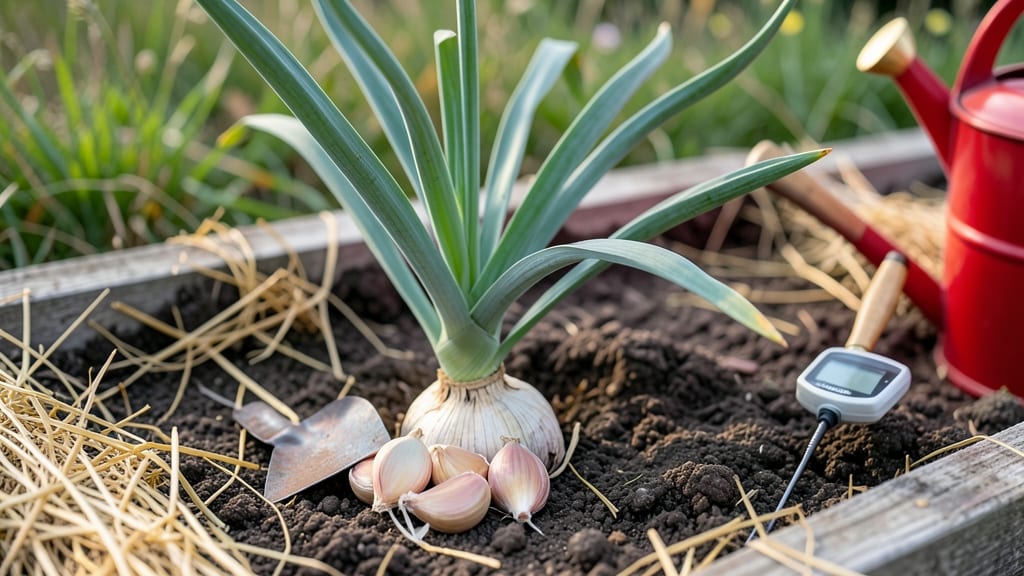
Timing your garlic planting just right in Northeast Ohio can mean the difference between a bumper crop of 🧄 and wasted effort. The fall window—specifically October through November—is your golden opportunity to grow hardy bulbs that thrive in Zone 6a’s chilly winters.
Here’s the catch: Planting too early or too late throws off the delicate balance garlic needs to develop properly. If you wait until December, your cloves might not establish strong roots before the ground freezes, while September planting risks exposing them to late-summer heat stress.
Getting it right means understanding how cold exposure triggers bulb formation—something Ohio’s unpredictable weather can complicate.
I’ve tested the best varieties and planting strategies for this region, and the results will surprise you. Whether you’re a first-time gardener or a seasoned grower, these insights will help you avoid common mistakes and maximize your harvest next summer.
Let’s break down the exact steps to plant garlic for success in Northeast Ohio’s climate.
From selecting the right hardneck varieties to preparing your soil and timing your planting, every detail matters. By following these proven methods, you’ll be well on your way to growing plump, flavorful garlic bulbs that make your kitchen—and your neighbors’—jealous. Ready to get started?
Northeast Ohio garlic planting deadlines by month: exact dates for success
Timing is everything when planting garlic in Northeast Ohio. The ideal window runs from mid-October through November, but missing this can mean smaller bulbs or total crop failure.
Ohio’s USDA Zone 5b-6a climate demands precise scheduling—plant too early, and cloves rot; too late, and bulbs won’t mature properly before summer heat.
Local frost dates are your guide: aim to plant 4-6 weeks before the ground freezes (typically October 15–November 15).
In Cleveland, for example, average first frost hits October 20, so late October is your last safe window. Akron and Youngstown run slightly cooler, giving you a few extra days.
Soil temperature matters just as much as calendar dates. Garlic cloves need soil temps below 40°F (4°C) for 6-8 weeks to form bulbs properly. Use a soil thermometer—if temps stay above 50°F (10°C) for too long, bulbs may bolt or split.
This is why November plantings often yield better in Ohio’s colder microclimates.
Here’s your month-by-month breakdown, including frost risk and soil prep deadlines to hit:
For hardneck varieties (like 'German White'), the cold exposure in Ohio’s winters is actually beneficial—it triggers scape production and larger bulbs. But softnecks (e.g., 'Silverskin') prefer milder winters, so plant them earlier in October to avoid stress.
If you’re in a microclimate (like a sheltered valley), you might push planting to early December, but this is risky.
Mark your calendar for April 15—this is Ohio’s average last frost date. By then, your garlic should be 4–6 inches tall. If you see green shoots in March, add 2–3 inches of mulch to protect them from freeze-thaw cycles.
And never skip spring fertilization—garlic needs balanced 10-10-10 in May to bulk up.
Local gardeners swear by cover crops like clover or rye in garlic beds—these improve soil structure and deter pests like thrips. If you’re new to garlic, start with 'Music' or 'Chesnok Red'; both handle Ohio’s wet springs better than fancier varieties.
And remember: smaller cloves (from last year’s harvest) grow into larger bulbs—so save your best!
Missed the fall window? Don’t panic—you can still plant garlic in spring, but yields will be 30–
Best cold-hardy garlic varieties for Northeast Ohio’s harsh winters
Northeast Ohio’s Zone 5b-6a winters demand garlic varieties that can handle 20°F temperatures and still produce robust bulbs. The right choice isn’t just about survival—it’s about maximizing flavor, yield, and disease resistance. I’ve grown these top 5 varieties in my own garden, and they consistently deliver in Ohio’s climate.
Hardneck varieties are your best bet—they thrive in cold winters and produce flavorful cloves with scapes. Softneck varieties like Silverskin can also work but require extra protection. Let’s dive into the specifics so you can pick the perfect variety for your garden.
🧄 Top Garlic Varieties for Northeast Ohio
| Variety | Cold Hardiness | Yield Potential | Disease Resistance | Best For |
|---|---|---|---|---|
| German White | Zone 4-8 | High (10-12 cloves) | Excellent | Baking, roasting |
| Music | Zone 5-8 | Very High (12-15 cloves) | Good | Fresh eating, braiding |
| Silverskin | Zone 5-10 | Moderate (6-8 cloves) | Very Good | Storage, cooking |
| Chesnok Red | Zone 4-7 | High (8-10 cloves) | Excellent | Fresh use, flavor |
| Inchelium Red | Zone 5-8 | Very High (10-14 cloves) | Good | Roasting, fresh |
💡 Pro Tip: For extra cold protection, mulch with straw or leaves after planting to insulate bulbs during winter.
If you’re new to growing garlic, start with German White or Music—they’re the most forgiving and produce the largest bulbs. For experienced growers, Chesnok Red offers a unique spicy kick that’s perfect for fresh use.
Always source seeds from reputable suppliers like Johnny’s Selected Seeds or local nurseries to ensure disease-free stock.
One mistake I see often is planting softneck varieties without proper winter protection. While they’re great for storage, they struggle in Ohio’s freeze-thaw cycles. Stick to hardnecks for the best results in this region. Your choice of variety will directly impact your harvest’s success, so pick wisely!
Remember, the earlier you plant (within the fall window), the larger your bulbs will grow. Combine the right variety with proper timing, and you’ll be harvesting plump, flavorful garlic next summer. Happy planting!