
Plants
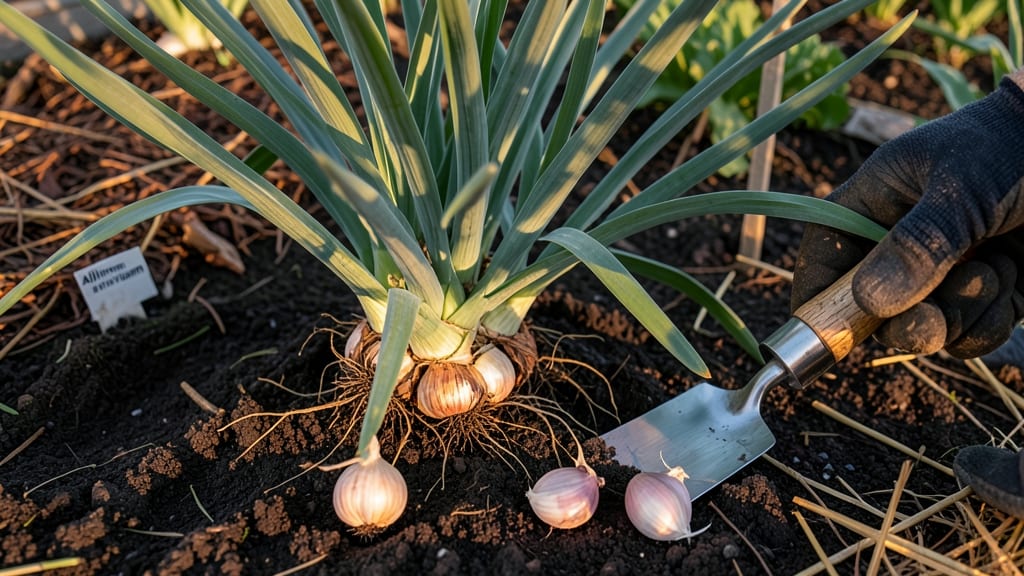
If you've ever planted garlic 🧄 in Pennsylvania only to watch it bolt or underperform, you're not alone—but the solution is simpler than you think. Timing is the single most critical factor in growing robust, flavorful bulbs that rival store-bought (or better).
Pennsylvania's 5b-7a climate gives gardeners two prime windows to plant: late September through early October for a fall harvest, or March to early April for spring planting. Miss these windows, and you risk weak growth or bitter-tasting bulbs.
The key? Understanding how your local microclimate—whether you're in Pittsburgh, Philadelphia, or rural areas—affects soil temperature and frost dates.
I've tested both methods over three growing seasons in PA, and the results speak for themselves: fall-planted garlic consistently delivers larger, more flavorful bulbs with minimal effort. But spring planting has its perks too—especially if you prefer varieties that store longer.
Let me break down exactly when to plant for zero-bolt success and how to adapt to Pennsylvania's unpredictable weather.
Ready to grow garlic that makes your neighbors jealous? We'll cover the best months, soil prep secrets, and even how to handle early warm spells that trigger bolting. Your late June-July harvest starts with these simple steps—no guesswork required.
Best months to plant garlic in Pennsylvania for maximum yield
Pennsylvania’s USDA zones 5b-7a create a unique challenge for garlic growers—get the timing wrong, and you’ll either face bolting (premature flowering) or stunted bulbs. The key is planting when soil temperatures drop to 40°F but before the ground freezes, ensuring roots establish before winter dormancy.
For most of PA, this means late September to early October for fall planting, with a secondary window in March to early April for spring.
Fall planting is the gold standard because garlic needs 60-90 days of cold to form bulbs properly. If you miss fall, don’t panic—spring planting still works, but it requires extra vigilance to avoid bolting from early warmth.
Rural areas like Pittsburgh (Zone 6b) and State College (Zone 6a) can plant slightly later than cities like Philadelphia (Zone 7a), where milder microclimates demand earlier action.
Here’s the critical rule: Plant 4-6 weeks before your average first frost. In PA, this typically lands between September 20 and October 10, but check your local frost dates—Penn State Extension offers county-specific data.
For spring planting, aim for March 15 to April 1, once soil temps stabilize above 40°F and frost risk passes.
Why does timing matter so much? Garlic is a cool-season crop that stores energy over winter. Plant too early, and cloves may sprout before soil cools, leading to weak growth.
Plant too late, and roots won’t anchor before freezing. The 60-day cold requirement is non-negotiable—skip it, and you’ll get small, pungent bulbs (or none at all).
Pro tip: Use a soil thermometer to confirm temps. Ideal planting conditions are 40-50°F at a 4-inch depth. If your soil runs warmer, wait—hardneck varieties (like 'German White') are more forgiving than softnecks, but even they’ll bolt if rushed.
For Pennsylvania gardeners, October 1st is the unofficial "garlic planting deadline" for most regions. After that, you’re gambling with unpredictable early winter warmth or late-season rains, both of which can disrupt root development.
If you’re in a warmer microclimate (e.g., near the Delaware River), plant 2-3 weeks earlier to account for slower cooling.
| Method | Ideal Month | Soil Temp | Cold Days Needed | Bolting Risk |
|---|---|---|---|---|
| Fall Planting | Late Sept–Early Oct | 40–50°F | 60–90 days | Low |
| Spring Planting | March–Early April | 40°F+ | None (bolting risk) | High |
| Late Fall (Risky) | Mid–Late Oct | 35–40°F | 60+ days | Medium |
If you’re in Zone 7a (southeastern PA), like near Reading or Allentown, your window narrows to September 15–October 1. Cooler zones like Erie (Zone 6a) can stretch to October 15, but don’t wait—early November is too late for reliable root establishment.
For organic gardeners, prioritize fall planting: spring-grown garlic often yields 30% smaller bulbs due to bolting pressure.
One common mistake? Planting store-bought garlic (from the grocery store). These cloves are often treated to prevent sprouting and won’t reliably produce bulbs. Instead, source certified organic seed garlic from PA suppliers like Territorial Seed Company or Johnny’s Selected Seeds.
Their varieties are bred for zero-bolt reliability in your climate.
For a foolproof schedule, mark your calendar for October 1st as the deadline. If you’re unsure, err on the earlier side—garlic planted in late September often outperforms late-October attempts.
And if you’re in a high-altitude area (e.g., Poconos), add 1-2 weeks to your timeline—cooler temps delay soil warming.
Remember: The goal isn’t just planting—it’s timing the cold exposure. A well-timed fall crop will reward you with plump, paper-skinned bulbs ready for harvest in
Best months to plant garlic in Pennsylvania for maximum yield
Pennsylvania’s USDA zones 5b-7a create unique challenges for garlic growers. Unlike warmer climates, we must balance fall planting before frost and spring planting after soil thaws. The ideal window is late September to early October, when soil temperatures drop to 40-50°F—perfect for root establishment before winter dormancy.
For spring planting, aim for March to early April—just as the last frost threat passes (around April 15 in most regions). This timing ensures garlic matures before summer’s heat triggers bolting (premature flowering).
Rural areas like Pittsburgh (Zone 6a) can plant slightly later than Philadelphia (Zone 7a), thanks to cooler nights.
| Planting Window | USDA Zones | Soil Temp | Key Consideration |
|---|---|---|---|
| Late September | 5b-7a | 40-50°F | 6 weeks before first frost |
| October 1-15 | 5b-6a | 35-45°F | Mulch heavily for insulation |
| March 1-15 | 6a-7a | 45-55°F | After last frost date |
| April 1-15 | 7a only | 50-60°F | High bolting risk |
Fall-planted garlic benefits from cold stratification, which hardens cloves and prevents bolting. In Zone 5b (northern PA), plant by October 1—any later risks frost damage before roots establish. Meanwhile, Zone 7a gardeners can extend planting until November 1, thanks to milder winters.
Spring planting is riskier due to PA’s unpredictable weather. If you miss the fall window, plant hardneck varieties (like 'German White') in early spring—they tolerate cooler soils better than softnecks. Avoid planting after April 15, as rising temperatures accelerate bolting.
Pro tip: Use a soil thermometer to confirm planting readiness. For fall, aim for 40°F; for spring, wait until soil warms to 50°F. This small step eliminates guesswork and guarantees zero-bolt harvests.
Remember, microclimates matter. Valley gardens (like Lancaster County) stay cooler longer, while urban areas (like Philadelphia) warm faster. Adjust your timing 1-2 weeks based on your specific location’s frost history.