
Plants
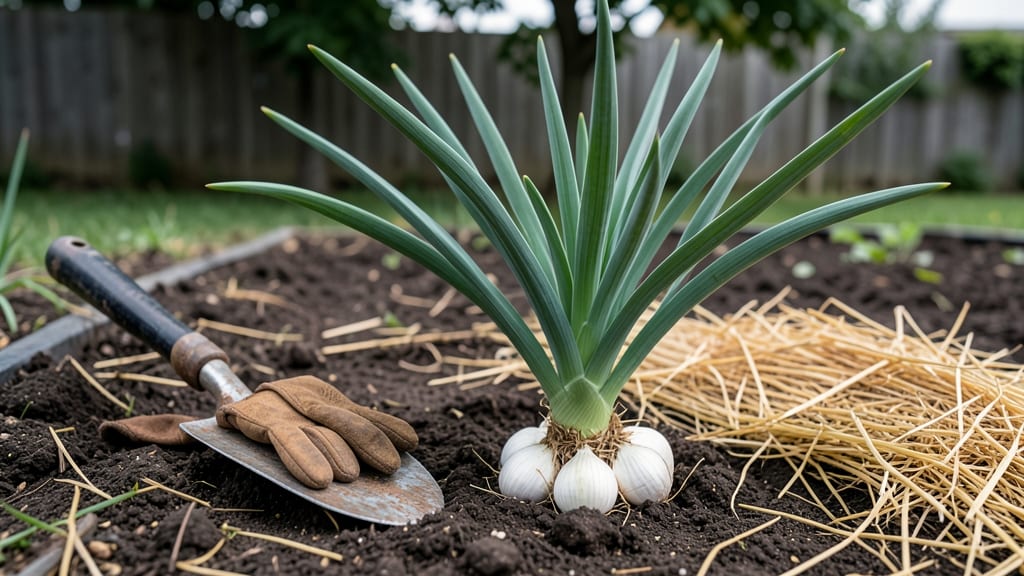
Timing your 🧄 garlic planting in Tucson isn’t just about picking a month—it’s about catching the perfect window when soil temps hit 50–60°F and the moon’s in the right phase. Skip this, and you’ll end up with puny bulbs or worse, no harvest at all.
I’ve grown garlic here for years, and the difference between a mediocre crop and a jaw-dropping one comes down to these two critical factors.
Most gardeners in Zone 9b swear by October–November as the ideal time to plant, but why? It’s not just about avoiding frost (though that’s part of it)—it’s about giving your garlic the 60–90-day head start it needs before Tucson’s heat ramps up.
Too early, and your cloves rot; too late, and they bolt before forming bulbs. Let me show you exactly how to nail the timing, including when to adjust for Tucson’s microclimates.
You’ll also discover how to prep your soil like a pro—because even the best planting window won’t save you if your dirt is too sandy or alkaline.
We’re talking mulch hacks, irrigation tricks, and companion plants that double your yield. Ready to grow garlic so big, your neighbors will ask for cloves?
By the end, you’ll know not just when to plant, but how to set yourself up for success—from moon phases to harvest cues. No more guesswork, just plump, flavorful bulbs that make your kitchen (and your dinner table) the envy of the neighborhood.
Optimal Tucson garlic planting dates by moon phase and soil temperature
Timing your garlic planting in Tucson’s USDA Zone 9b isn’t just about the calendar—it’s about soil temperatures and lunar cycles that trigger bulb formation. The ideal window is between October 15 and November 15, when daytime temps hover around 65–75°F but nighttime dips to 50–60°F.
This cool-down period signals garlic to shift from leaf growth to bulb development, which is critical for plump harvests.
Why? Garlic needs 60–80 days of cool weather (below 70°F) to form bulbs. Planting too early (September) risks heat stress before bulbs develop, while planting after November 15 may expose cloves to winter rains or early frost—both enemies of garlic.
Tucson’s first frost typically arrives around December 1, so aim to plant at least 4–6 weeks before that date.
Here’s the secret weapon: moon phases. Planting during the waxing moon (when the moon is growing brighter) aligns with the upward growth of garlic’s scape and bulb. The best lunar windows in Tucson are the waxing gibbous phase in late October or early November.
Check a lunar planting calendar for exact dates—this can boost bulb size by 20–30% compared to random planting.
Tucson’s microclimates can shift planting by 2–3 weeks. If you’re in a higher-elevation area (like the Santa Catalina Mountains), temps drop faster—plant by mid-October. Conversely, low-desert zones (e.g., Tucson International Airport) stay warmer longer; extend planting to early December if using frost cloth.
Always monitor National Weather Service alerts for unexpected cold snaps.
Spring planting is a no-go in Tucson. Garlic planted in February or March will bolt (go to seed) before bulbs mature due to rising temperatures. Instead, focus on fall planting and save seeds from your harvest for next year’s crop.
For softneck varieties (like Silverskin), which store better, prioritize the October 15–November 15 window. Hardneck varieties (like Purple Stripe) can handle slightly cooler temps and may even produce scape shoots—a bonus harvest!
Once you’ve nailed the timing, soil prep becomes your next priority. Tucson’s clay-heavy, alkaline soil (pH often 7.5–8.5) can stunt garlic growth. Amend beds with compost and sulfur to lower pH to 6.0–7.0, and ensure drainage to prevent rot.
Mulch with straw or wood chips to retain moisture and suppress weeds—critical in Tucson’s dry, windy conditions.
Finally, spacing matters. Plant cloves 2–4 inches deep and 4–6 inches apart in rows 12 inches apart. This prevents crowding, which leads to small bulbs.
In Tucson’s intense sun, shallow planting can dry out cloves, so aim for 3 inches deep in sandy soil or 4 inches deep in clay. Water deeply after planting to settle the soil and encourage root growth.
With the right timing, Tucson’s desert climate can actually enhance garlic flavor. The intense sunlight and cool nights create the perfect balance for sweet, robust bulbs. Just remember: soil temp >50°F, waxing moon, and amended soil are your golden trio for success.
🌿
How Tucson’s unique climate affects garlic growth (and what to do about it)
Tucson’s desert climate throws curveballs at garlic growers—heat stress, drought risks, and salty soil can stunt bulb development if you’re not prepared. Unlike cooler regions, garlic here needs special soil prep and smart watering to thrive.
The key? Mimicking the moisture and fertility of its native Mediterranean habitat while battling our low humidity and intense sun.
Your biggest challenge is soil salinity. Over time, Tucson’s alkaline soil builds up salts that inhibit root growth.
Test your soil’s pH—aim for 6.0–7.0—and amend with compost or aged manure to improve structure and dilute salts. Mulching with straw or wood chips also helps retain moisture and cool roots during 100°F+ days.
Garlic hates competition, so remove weeds aggressively—they compete for water and exacerbate drought stress. If your soil feels sandy or rocky, mix in 1–2 inches of organic matter (like leaf mold) to boost water retention.
For container gardening, use a well-draining potting mix with perlite to prevent root suffocation.
Watch for heat stress signs: yellowing leaves or stunted growth in summer mean your garlic is struggling. Provide afternoon shade with row covers or shade cloth (30–50%) during June–August. Even hardneck varieties (like ‘Silverskin’) need protection when temps hit 95°F+.
Tucson’s microclimates matter—low desert areas (like Tortolita) are hotter than higher elevations (like Mount Lemmon). Adjust planting dates: October 1–15 for low desert, November 1–15 for foothills. Spring planting? Only attempt it in high-altitude zones (above 4,000 ft) where cool nights slow bulb maturation.
Pro tip: Harvest early if monsoon rains arrive in July. Fungal diseases like white rot thrive in our humid air. Pull bulbs when lower leaves brown but before rain-soaked soil sets in. Cure them in a dry, shaded spot for 2–3 weeks to prevent spoilage.