
Plants
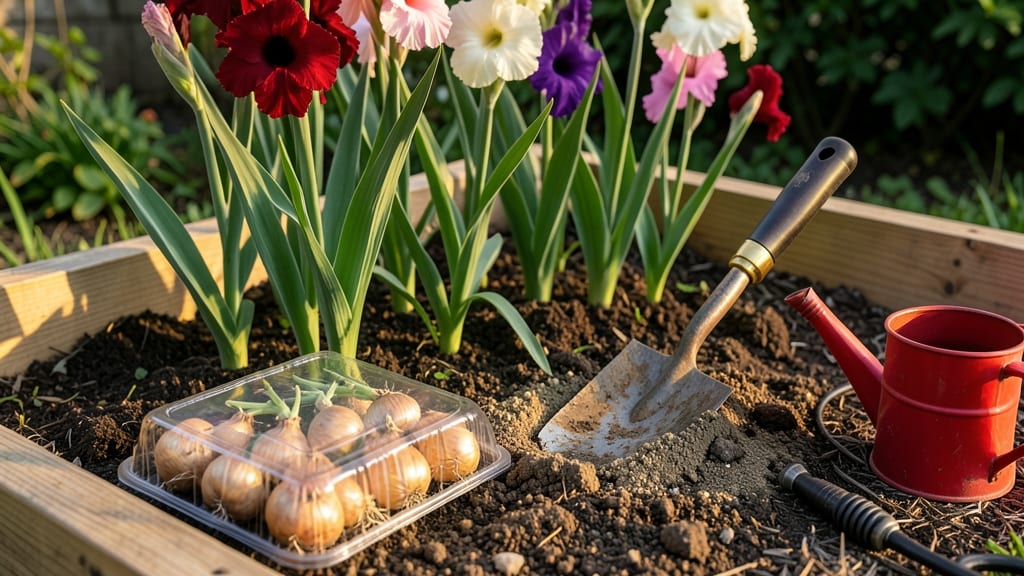
Knowing when to plant gladiolus bulbs in California can mean the difference between show-stopping 🌸 blooms and disappointing flops—but with so many microclimates, it’s easy to get confused. Whether you’re in frost-prone inland valleys or mild coastal zones, timing is everything to avoid bulb rot or stunted growth.
Gladiolus thrive in California’s USDA zones 9-10, but the right planting window shifts dramatically between regions. Coastal gardeners can plant as late as December, while inland areas need to get bulbs in the ground by April to escape summer’s brutal heat.
Let’s break down the exact months for your zone—and how to adjust for urban containers or high-desert conditions.
Most gardeners make one of three critical mistakes when planting gladiolus: ignoring soil temperature, rushing the process, or planting too deep. I’ll show you how to check soil readiness, space bulbs perfectly, and even stagger plantings for nonstop summer color—no matter where you live in the Golden State.
Ready to transform your garden into a year-round gladiolus paradise? By the end of this guide, you’ll know the precise weeks to plant, how deep to bury those corms, and why your neighbors’ blooms might be wilting while yours stay vibrant. Let’s get started!
California gladiolus planting calendar by heat Zone (avoid frost & heat stress)
California’s gladiolus bulbs thrive when planted at the right time—too early and they’ll rot in cold soil, too late and you’ll miss summer blooms. The state’s USDA zones 5-11 create wildly different planting windows, from coastal Zone 10 to desert Zone 9.
I’ll break down the perfect planting months for each zone, including soil temperature cues and microclimate adjustments.
For cooler inland zones (5-8), aim for late winter to early spring (February–April), when soil warms to 60°F+. In warmer coastal/southern zones (9-11), fall planting (October–December) avoids summer heat stress. Pro tip: Use a soil thermometer—gladiolus corms need 55°F+ soil to sprout without rotting.
🌱
| Zone | Ideal Planting Window | Soil Temp | Bloom Time | Key Notes |
|---|---|---|---|---|
| 5-6 (Mountains) | March–April | 60°F+ | July–September | Wait for last frost; mulch heavily |
| 7-8 (Central Valley) | February–March | 58°F+ | June–August | Irrigate weekly; avoid waterlogging |
| 9 (Southern CA) | October–November | 65°F+ | February–April | Fall planting avoids summer heat |
| 10 (Coastal) | October–December | 62°F+ | January–March | Stagger plantings for year-round blooms |
In Zone 9+, fall planting is ideal—gladiolus corms rot in summer heat, so October–December gives them time to establish roots before winter. For Zone 5-7, spring planting (March–April) aligns with soil warming and avoids frost damage.
Always check your last frost date (e.g., January 15 in coastal areas vs. December 1 in deserts).
For urban gardeners, container planting works in Zone 10—use 5-gallon pots with drainage and plant in October. Inland gardeners should plant in raised beds to warm soil faster. Pro move: Add compost to improve drainage, as gladiolus hate soggy soil.
🌿
Watch for soil temperature spikes—if it hits 85°F+, corms may dry out. In Zone 11, plant in late summer (August–September) for winter blooms.
Always plant corms pointy-side up, 6 inches deep, and 4 inches apart for optimal airflow. Mulch with straw to retain moisture without smothering roots.
🌡️
If you’re in transition zones (e.g., Zone 8 near coasts), split your planting into two batches: one in February and another in October. This extends your bloom season from June to March.
Just remember: gladiolus need full sun—6+ hours daily—or stems will flop and flowers will fade.
🌻
5 Signs you’re planting gladiolus at the wrong time (and how to fix it)
Planting gladiolus bulbs at the wrong time in California can turn your garden dreams into a soggy mess—literally. One of the biggest mistakes is planting too early when soil temperatures are still below 60°F (15°C).
Cold soil slows growth and invites rot, especially in coastal zones where damp winters linger.
Another red flag? Your bulbs sprout weak, spindly stems instead of sturdy shoots. This often happens when planted too late in spring, forcing the plant to rush through its growth cycle before summer’s heat sets in.
Inland areas like the Central Valley face this risk if bulbs aren’t in the ground by mid-April.
🚨 Here’s the fix: Use a soil thermometer to confirm temps are consistently above 60°F before planting. For coastal gardeners, aim for February-March plantings, while inland areas should target March-April to avoid heat stress.
⚠️ Callout Warning
Sign #1: Bulbs Rot Before Sprouting
Why it happens: Planting in cold, wet soil (common in coastal CA).
Fix: Wait until soil warms to 60°F+ and improve drainage with gravel or sand.
Sign #2: Stunted or No Blooms
Why it happens: Planting too late (after May in inland zones).
Fix: Stagger plantings in 3-week intervals for extended blooms.
Sign #3: Yellowing Leaves
Why it happens: Overwatering after planting or poor soil drainage.
Fix: Water deeply but infrequently (every 7-10 days) and mulch to retain moisture.
Don’t overlook microclimate differences—what works in San Diego (Zone 10) fails in Sacramento (Zone 9). For example, desert areas like Palm Springs can plant in October-December for winter blooms, while San Francisco gardeners must wait until April to avoid frost.
🌱 Pro Tip: If you’re unsure about your zone, check the USDA Plant Hardiness Map and adjust your planting window by 2-4 weeks earlier for inland areas or later for coastal regions. Urban gardeners in containers should plant 2 weeks earlier since pots heat up faster.
Finally, watch for pests like thrips if your gladiolus leaves show silver streaks—a sign of late planting stress. Always soak bulbs in neem oil before planting to deter early infestations. With these fixes, your gladiolus will thrive year after year!