
Plants
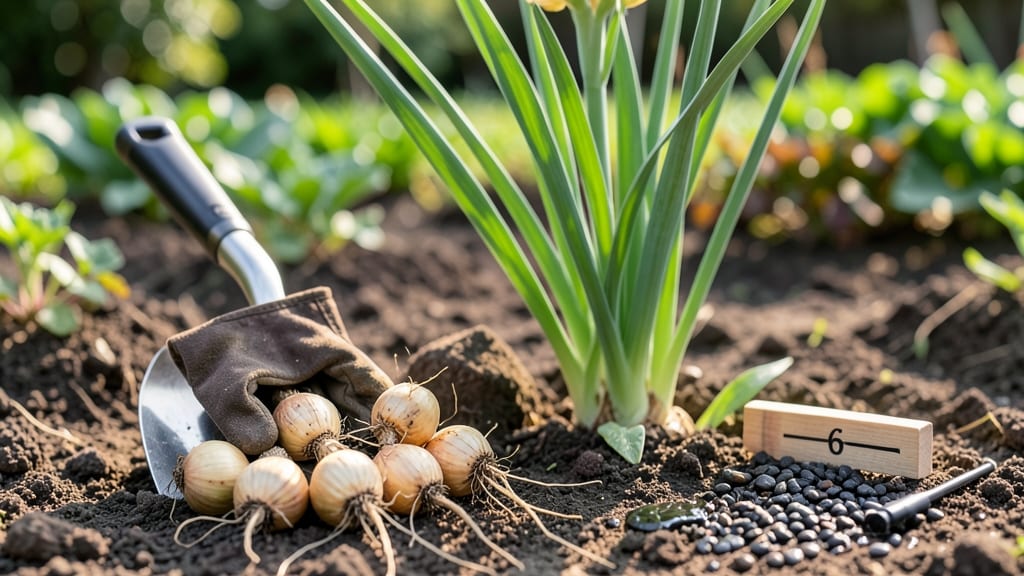
Timing your gladiolus bulb planting in North Carolina can mean the difference between a garden full of towering 🌷 blooms and a season of disappointment.
With NC's diverse climate zones—from the cooler Piedmont to the milder Coastal Plain—knowing exactly when to plant isn’t just helpful, it’s essential for those show-stopping summer displays.
Most gardeners in zones 6a-8b wait until after the last frost, typically mid-March to mid-April, but there’s more to it than just dates. Early varieties can go in as soon as soil warms, while late bloomers need a little more patience to avoid heat stress.
The key? Planting 2-3 weeks after your local last frost date—and knowing your exact zone makes all the difference.
Why does this matter so much? Gladiolus bulbs are sensitive to cold snaps, and planting too early can stunt growth or even kill them. But get it right, and you’ll enjoy 4-5 foot spikes of color from late summer through fall.
I’ll walk you through the exact frost-date cheat sheet for NC, so you can plan with confidence—no guesswork, just stunning results.
Whether you’re a first-time gardener or a seasoned pro, these NC-specific tips will help you avoid common mistakes and extend your blooming season. Let’s dive into the perfect planting schedule for your 🌷 garden this year.
North Carolina frost Zones & ideal gladiolus planting windows by month
North Carolina’s diverse climate—from the Coastal Plains to the Mountain regions—means your gladiolus planting window can shift by weeks. Understanding your USDA zone (5b-8a) is key to avoiding frost damage while maximizing bloom time.
For example, Zone 5b gardeners in the High Country should wait until mid-May, while Zone 8a growers in the Coastal Plain can plant as early as late March.
Gladiolus bulbs thrive when soil temperatures reach 60°F (15°C), signaling the ground is warm enough for root growth. In NC, this typically aligns with the last average frost date, which varies by region.
For instance, Raleigh (Zone 7b) sees its last frost around April 15, while Asheville (Zone 7a) waits until May 1. Always check the NC State Climate Office for your local frost dates before planting.
Pro Tip: Use a soil thermometer to confirm warmth—gladiolus roots struggle in cold, damp soil. Aim for consistent 60°F+ temperatures for at least 7-10 days before planting. This ensures bulbs don’t rot or sprout too early, only to be nipped by late frosts.
🌷
NC Gladiolus Planting Windows by USDA Zone
| Zone | Region | Last Frost Date | Ideal Planting Window | Bloom Time |
|---|---|---|---|---|
| 5b | High Country (Boone) | May 1 | Mid-May to June 1 | Late July–Sept |
| 6a | Mountains (Asheville) | April 15 | Late April–May 15 | Early July–Aug |
| 7a | Piedmont (Charlotte) | March 30 | Early April–May 1 | June–July |
| 7b | Central (Raleigh) | April 15 | Late March–April 30 | Late June–Aug |
| 8a | Coastal (Wilmington) | March 1 | Late February–April | May–July |
🌡️ Note: Adjust for microclimates (e.g., valleys frost later than hills).
Late frosts are the biggest threat to gladiolus in NC, especially in Zones 6a-7a. If you’re in doubt, use row covers or plant heat-loving varieties like ‘Green Star’ or ‘Black Star’—they tolerate warmer soil better.
For Coastal NC (Zone 8a), you can even try fall planting (September–October) for winter blooms, though this is riskier due to humidity.
Soil preparation is just as critical as timing. Gladiolus bulbs rot in waterlogged soil, so amend your beds with compost or sand if your native soil is clay-heavy.
In Piedmont’s humid climate, add a 1-inch layer of mulch after planting to prevent fungal diseases like botrytis, which thrives in damp conditions.
For container gardening in NC, plant bulbs in well-draining pots and move them to protected locations if frost is forecasted. Coastal gardeners can extend their season by planting early varieties (like ‘Picasso’) in February and late varieties (like ‘White Friendship’) in Maystaggered bloom from spring to fall.
🌿
Don’t assume your neighbor’s schedule applies to you—even cities just 50 miles apart in NC can have 2-week differences in frost dates.
Gladiolus variety planting schedule: early, mid, and late season picks for NC gardens
Not all gladiolus varieties thrive equally in North Carolina’s varied climate. Early bloomers like ‘Picasso’ (vibrant red-orange) need to go in the ground as soon as soil warms, while late-season varieties like ‘Black Star’ (deep burgundy) can handle slightly cooler springs.
The key is matching your USDA zone to the right variety and planting window.
For Zones 6a-7a (Piedmont), aim for late April to early May planting to avoid late frosts. In Zones 7b-8b (Coastal Plain), you can start as early as mid-March—just 2-3 weeks after your last frost date.
Each variety has its own heat tolerance, so I’ve curated a schedule to maximize blooms from July through October.
🌷 Here’s my NC-specific planting schedule for top-performing varieties, ranked by bloom time:
Why does this matter? Early varieties like ‘Picasso’ bolt quickly in NC’s heat, so planting them too late means missed blooms. Meanwhile, late varieties like ‘Black Star’ need cooler temps to develop properly—plant them too early, and they’ll struggle.
For Piedmont gardens, I recommend focusing on mid-season varieties like ‘Green Star’ to avoid both heat stress and late frosts.
If you’re in Coastal NC (Zones 7b-8b), don’t wait too long—soil warms faster there, and bulbs can rot if planted in soggy ground. Aim for mid-March for early varieties, then follow up with mid-season picks every 2 weeks.
For Mountain regions (Zone 6a), hold off until after Mother’s Day to play it safe.
One trick I swear by? Plant a test bulb 2 weeks before your target date—if it sprouts, your soil’s warm enough! And remember, gladiolus bulbs are heavy feeders, so add a balanced 10-10-10 fertilizer at planting time for that extra boost.
Your 🌷 garden will thank you with 4-5 foot spikes of color!