
Plants
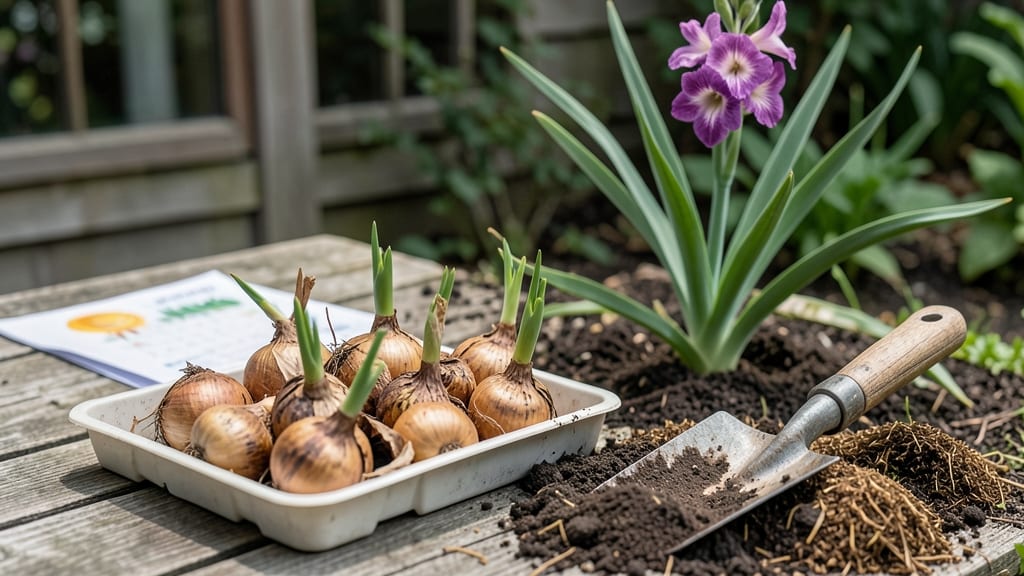
Timing your gladiolus bulb planting in Indiana could mean the difference between show-stopping summer blooms and wilted disappointment.
With Indiana’s USDA Zone 6a climate, getting those corms in the ground just right—after the last frost but before the heat peaks—is the key to vibrant 🌸 displays that last from August through September.
Most Indiana gardeners wait until mid-April to early May, but that window can shift based on your exact location. Too early, and a late frost will zap your young shoots; too late, and your gladiolus might bolt before reaching its full height.
I’ll break down the exact frost-free timeline, soil prep secrets, and even whether fall planting is an option in this region.
Whether you’re a first-time gardener or a seasoned pro, mastering this timing will give you bolder blooms and fewer headaches. Let’s dive into the perfect planting schedule so you can enjoy those towering spikes of color all summer long.
You’ll also discover how to adjust for early vs. late springs, the ideal soil temperature for planting, and post-planting care to keep your gladiolus thriving. No more guesswork—just stunning results.
Indiana’s gladiolus planting timeline: avoid frost and bolting mistakes
Indiana’s USDA zones 5-6 create a tricky window for planting gladiolus bulbs—too early, and frost zaps tender shoots; too late, and you risk bolting (premature flowering). The key? Planting when soil temperatures hit 60°F (15°C) consistently, which typically aligns with mid-April to early May across most of the state.
Northern Indiana (zones 5a-5b) has the latest frost dates—often April 25-30—while southern Indiana (zones 6a-6b) can plant as early as April 1-15. Always wait until 2 weeks after your last frost date to ensure safety, especially for early-blooming varieties like 'White Prosperity' or 'Pink Parfait'.
Gladiolus bulbs thrive in well-draining soil with 6+ hours of sunlight daily. In Indiana’s humid climate, poor drainage is a common issue—amend heavy clay soil with compost or sand to prevent rot. Test your soil’s pH; gladiolus prefer 6.0-6.8, and Indiana’s native soil often skews acidic.
🌱
🌸 Indiana Gladiolus Planting Timeline
| Region | Last Frost Date | Ideal Planting Window | Soil Temp Goal | Key Risk |
|---|---|---|---|---|
| Northern Indiana (Zones 5a-5b) | April 25-30 | May 10-20 | 60°F (15°C) | Late frost damage |
| Central Indiana (Zone 6a) | April 15-20 | April 25-May 5 | 60°F (15°C) | Bolting from heat |
| Southern Indiana (Zone 6b) | April 1-10 | April 15-30 | 60°F (15°C) | Early heat stress |
| All Regions | N/A | June 1 (last chance) | 65°F+ (18°C) | Smaller blooms |
Indiana’s humidity and summer heat demand extra attention. Plant bulbs 4-6 inches deep and 6 inches apart to improve airflow and reduce fungal risks like botrytis blight. In containers, use well-draining mixes with perlite or vermiculite to mimic ideal conditions.
For late bloomers, a second planting in early June can extend your bloom season until frost. Choose heat-tolerant varieties like 'Black Pearl' or 'Green Thumb' for better success in Indiana’s 90°F+ (32°C) summers. Always water deeply in the morning to prevent fungal spores from thriving overnight.
Fall planting in Indiana is not recommended—gladiolus bulbs need 6-8 weeks of warm soil to establish roots before winter. If you attempt it, plant in late September only in southern Indiana (zone 6b) and use heavy mulch to insulate bulbs. Most gardeners skip this risk entirely.
Use a planting calendar or local frost date tracker (like the Old Farmer’s Almanac) to fine-tune your timeline. In my Zone 6a garden, I’ve found that planting May 1-10 yields the most robust blooms, with 6-inch-tall spikes by early July.
🌿
Indiana’s gladiolus planting timeline: avoid frost and bolting mistakes
Indiana’s USDA zones 5-6 mean gladiolus bulbs face a tight window between late frosts and summer heat. The key is planting 4-6 weeks before your last frost date, typically mid-April to early May for most of the state.
Northern Indiana (zone 5) should wait until late April, while southern areas (zone 6) can start as early as early April.
Gladiolus corms thrive in soil temperatures above 60°F. Use a soil thermometer to confirm—planting too early in cold soil can cause rot, while waiting too long risks bolting (premature flowering).
Indiana’s average last frost date is April 15, but microclimates near lakes (like Lake Michigan) may delay frost by 1-2 weeks.
Here’s your Indiana-specific planting timeline to avoid common mistakes:
Pro tip: If you’re in northern Indiana, use row covers to extend your planting window by 1-2 weeks. For southern Indiana, prioritize shade cloth in July to prevent heat stress.
Never plant gladiolus in fall—Indiana’s winters are too harsh for these tropical bulbs to survive dormancy outdoors.
Watch for soil temperature spikes after planting. If your garden heats up to 85°F+, mulch with straw to keep corms cool and prevent bolting. This is especially critical in southern Indiana’s clay soils, which retain heat longer.
Remember: Timing is everything for gladiolus. Plant too early, and frost will kill your corms. Plant too late, and you’ll sacrifice vibrant blooms for weak, leggy stems. Stick to this Indiana-specific timeline, and you’ll enjoy showstopping summer flowers every year. 🌸