
Plants
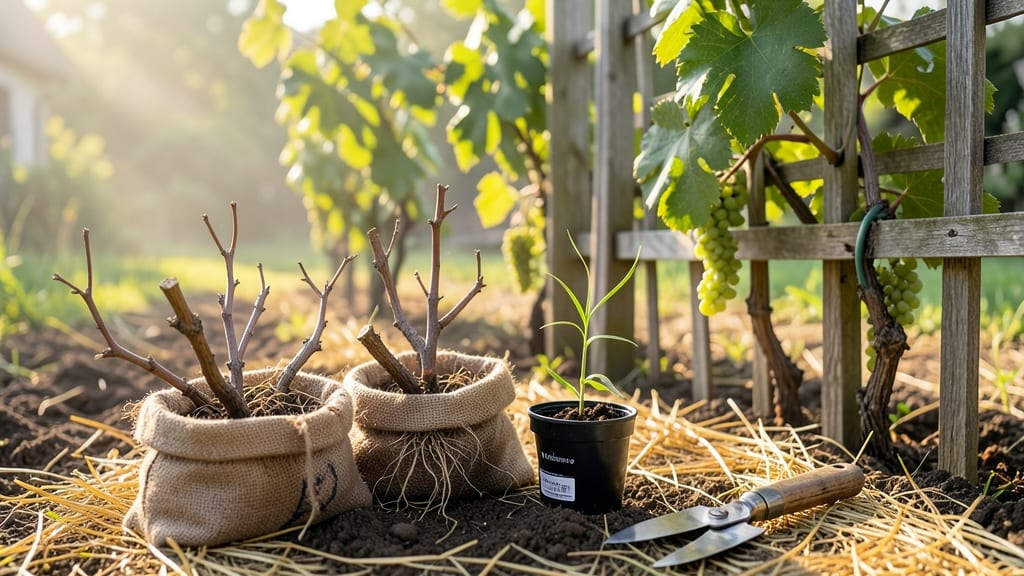
Timing your grape planting in California wrong could mean the difference between a thriving 🍇 vineyard and wasted effort. With 14 heat zones across the state, the "perfect" window varies wildly—from coastal chill to desert heat.
I’ve spent years helping California gardeners master this tricky balance, and what I’m about to share will save you from costly mistakes.
Whether you’re growing wine grapes in Napa or table grapes in the Central Valley, knowing the exact frost-free windows and soil conditions for your region is the key to success.
Let’s break down the ideal planting months for each zone, including how to adjust for bare-root vs. potted vines. You’ll discover why spring planting is critical—and how to avoid heat stress in the hottest areas.
Ready to transform your grape-growing game? Here’s exactly when to plant for maximum yields, no matter where you’re located in the Golden State.
California grape planting calendar by heat Zone (avoid frost & heat stress)
California’s diverse climate—from coastal fog belts to desert heat zones—means grape planting timing varies dramatically. In USDA Zone 8 (coastal areas like Santa Barbara), you can plant as early as late February, while Zone 11 (Palm Springs) demands November planting to avoid summer stress.
The key is planting when soil temps hit 60°F (15°C) and last frost risk has passed.
For bare-root vines, aim to plant within 2-3 weeks of dormancy breaking. Potted grapes offer more flexibility but still need 6-8 weeks before summer’s peak heat. Coastal regions benefit from extended planting windows, while inland areas must act fast to avoid 100°F+ soil temperatures that shock roots.
Here’s how to match your location to the perfect planting window:
| Zone | Optimal Planting Window | Soil Temp Goal | Key Varieties |
|---|---|---|---|
| 8 (Coastal: SF, Santa Barbara) | Late Feb - Early Apr | 55-60°F (13-15°C) | Pinot Noir, Chardonnay |
| 9 (Central Coast: Monterey) | Mid-Mar - Mid-Apr | 60-65°F (15-18°C) | Syrah, Grenache |
| 10 (Central Valley: Fresno) | Late Mar - Early May | 65-70°F (18-21°C) | Zinfandel, Thompson Seedless |
| 11 (Desert: Palm Springs) | Nov - Early Dec | 50-55°F (10-13°C) | Muscat, Flame Seedless |
Notice how Zone 10+ areas shift to fall planting? This avoids summer’s brutal heat, which can cause root desiccation. My Central Valley clients often plant in April—but only after verifying soil moisture, as irrigation water can still be too cold for roots.
For container grapes, extend your window by 4-6 weeks. Containers warm up faster in spring, but they also dry out quicker. Use self-watering pots and mulch heavily to maintain moisture.
I’ve had success with potted Cabernet in Zone 9 planted as late as May 15th, provided I used 50% shade cloth for the first month.
Pro tip: Check your local avocado harvest dates—they’re a great indicator of frost-free progress. When avocados ripen in Zone 10, it’s typically safe to plant grapes. In cooler microclimates, wait until lilac bushes bloom before planting.
One mistake I see often? Planting too early in Zone 8 areas, thinking "spring is here." But coastal fog can linger until April, delaying soil warming. Always test soil temps with a soil thermometer—60°F (15°C) is non-negotiable for root establishment.
For wine grape varieties, prioritize earlier planting (February-March) to maximize cold accumulation for bud break. Table grapes, like Thompson Seedless, are more forgiving and can handle April planting in Zone 10. The trade-off? Delayed harvest in hotter zones, so plan for shade cloth if needed.
Remember: California’s heat zones aren’t just about frost—they’re about heat stress. A Zone 11 grape planted in March will struggle by June when temps hit
Best grape varieties for California’s microclimates (and when to plant them)
California’s diverse climate—from coastal fog to desert heat—means not all grape varieties thrive everywhere. Choosing the right type for your heat zone and planting at the perfect time ensures strong roots and bountiful harvests. Let’s break down the best varieties by region and their ideal planting windows.
For cooler coastal areas like Santa Barbara or Monterey, varieties like Pinot Noir and Chardonnay excel. Plant these in late winter to early spring (February–March) to avoid spring frost risks.
Inland regions like the Central Valley favor heat-loving Zinfandel and Cabernet Sauvignon, which should go into the ground in early spring (March–April) when soil warms.
Desert areas like Palm Springs or Riverside thrive with Thompson Seedless or Muscat grapes. These need late winter planting (January–February) to establish roots before scorching summer heat. Always check your USDA zone—coastal areas are typically USDA 9-10, while inland deserts hit USDA 11.
Pro tip: If planting bare-root vines, soak roots in water for 2–4 hours before setting them in the ground. For potted grapes, transplant in early spring when roots fill the container—this ensures minimal shock. Always mulch heavily (3–4 inches) to retain moisture and regulate soil temperature.
For wine grapes, prioritize rootstocks like 1103 Paulsen or 140 Ruggeri for phylloxera resistance. Table grapes like Thompson Seedless need trellises for support—install these before planting to avoid damaging young roots later.
Adjust irrigation based on your region: coastal areas need consistent moisture, while desert vines thrive with deep, infrequent watering.
Remember, late planting in heat zones 10+ can stress vines. If you miss the spring window, opt for fall planting (October–November) in cooler zones, but avoid planting when soil temps exceed 85°F. Always monitor local frost dates—coastal areas may see unexpected chills even in summer.