
Plants
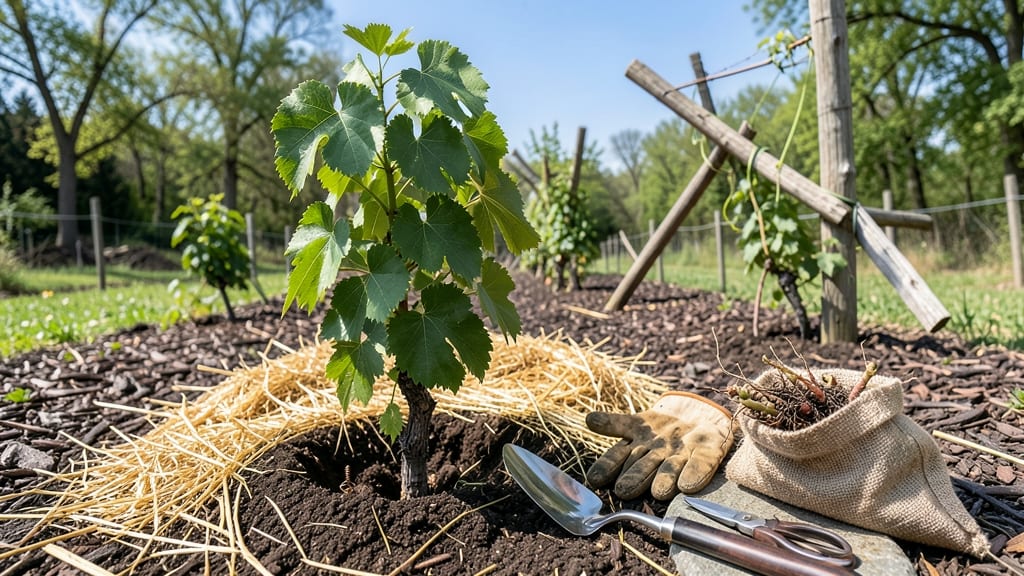
Timing your grapes planting in Colorado can mean the difference between a thriving vineyard and a frost-killed disappointment—especially when you're dealing with USDA zones 5-7 and unpredictable mountain weather. Unlike warmer climates, Colorado's spring frost risks demand precision, and planting too early or late can leave your young vines vulnerable.
Most Colorado gardeners swear by planting 🍇 grapes in April or May, once the soil has warmed and the danger of frost has passed—but there's more to it than just picking a month.
The key is understanding your microclimate, whether you're in the Front Range or the Western Slope, and how elevation affects your last-frost date.
I've helped Colorado growers navigate these challenges for years, and the secret isn't just about the calendar—it's about soil prep, vine selection, and knowing when to give your grapes that critical head start.
Let me walk you through the exact strategies that work, from cold-hardy varieties to frost-proof planting techniques tailored for your region.
By the end, you'll know not just when to plant grapes in Colorado, but how to set your vines up for success from day one—so you can enjoy homegrown harvests from August through September without the guesswork. Ready to grow grapes that outlast Colorado's wild swings?
Optimal planting windows for Colorado grapes by elevation Zone
Colorado’s diverse elevations—from the Front Range’s 5,000 ft to the Western Slope’s 6,000–8,000 ft—create wildly different frost risks for grape growers. Planting too early risks frost damage, while waiting too long stunts root growth.
The key is aligning your planting with soil temperatures (aim for 60°F+ consistently) and last-frost dates, which vary by 1–3 weeks across the state.
For most Colorado gardeners, the sweet spot is late April to mid-May, but high-altitude growers (above 7,000 ft) should wait until mid-May to early June.
Below, I’ve broken down the best windows by region, plus how to calculate your local frost risk using USDA Plant Hardiness Zone maps and Colorado State University’s frost prediction tools.
Pro Tip: Use a soil thermometer to confirm ground temps—roots won’t establish below 55°F, even if air temps are warmer. I’ve planted Marquette grapes in Denver and seen them fail when soil temps hovered at 50°F for weeks.
If you’re planting in March (common for bare-root vines), use row covers or a low tunnel to protect young shoots. I’ve seen Frontenac grapes survive March planting in Fort Collins with these safeguards, but the roots struggle to warm up without them.
For container-growing (popular in urban Denver), plant 2–3 weeks earlier since pots warm up faster. Just ensure containers are at least 18 inches deep—shallow pots stunt root growth, and Colorado’s thin soils won’t forgive poor drainage.
One mistake I’ve seen repeatedly? Planting wine grapes (like Cabernet Franc) too late—they need 180+ frost-free days, and high-altitude sites simply can’t deliver. Stick to cold-hardy hybrids like Valvin Muscat or Baco Noir if you’re above 7,000 ft.
To confirm your local frost risk, plug your ZIP code into the CSU Extension’s frost calculator (link in resources). For example, Colorado Springs (6,000 ft) averages 10 late frosts after April 15th—so I wait until May 1st there, even if soil temps hit 60°F earlier.
Finally, avoid fall planting in Colorado unless you’re in Zone 7+ (southern Colorado). Vines need 6–8 weeks to harden off before winter, and our first frosts hit mid-October. Fall-planted vines often heave (pop out of the ground) when soil freezes.
Optimal planting windows for Colorado grapes by elevation Zone
Colorado’s diverse elevation zones mean your last frost date could vary by three weeks between Denver and the Western Slope. For Front Range gardeners (5,000–7,000 ft), aim to plant 2–3 weeks after your average last frost, typically late April to early May.
In high-altitude areas (7,000–10,000 ft), wait until mid-May to avoid late-spring freezes that can kill young roots.
Soil temperature is just as critical as air temperature. Grapes need soil temps above 60°F for root establishment.
Use a soil thermometer to confirm—planting too early in cold soil stunts growth. Western Slope regions (3,000–5,000 ft) can plant 2 weeks earlier (early April), thanks to milder winters and longer frost-free seasons.
Timing also depends on whether you’re planting bareroot vines (spring) or container-grown grapes (spring/fall). Bareroot vines establish faster in moist spring soil, while potted grapes offer fall planting flexibility (September) for high-altitude zones where summers are short.
🍇 Colorado Grape Planting Windows by Elevation
| Zone | Avg. Last Frost | Ideal Planting Window | Soil Temp Threshold | Notes |
|---|---|---|---|---|
| Front Range (5,000–7,000 ft) | Late April | Late April–Early May | 60°F+ | Use windbreaks; late frosts common |
| High Altitude (7,000–10,000 ft) | Mid-May | Mid-May–Early June | 65°F+ | Choose dwarf varieties; shorter season |
| Western Slope (3,000–5,000 ft) | Early April | Early–Mid April | 55°F+ | Longer growing season; plant early |
Pro tip: Check Colorado State University’s Almanac frost maps for your exact location. Microclimates near bodies of water or south-facing slopes can extend your planting window by 1–2 weeks.
For example, Pueblo’s warmer climate allows planting as early as March 15, while Steamboat Springs may need to wait until June 1 for safety.
If you miss the spring window, fall planting (September) is an option for container-grown grapes, but avoid planting after September 15—new roots won’t establish before winter. Always mulch heavily (4–6 inches) after fall planting to insulate roots from Colorado’s early frosts.
For wine grapes, prioritize early spring planting to maximize the 150–180 frost-free days needed for full ripening. Table grapes can tolerate slightly shorter seasons but still need 120+ days to mature. Use USDA zone 5–7 varieties like Marquette or Frontenac for reliability.