
Plants
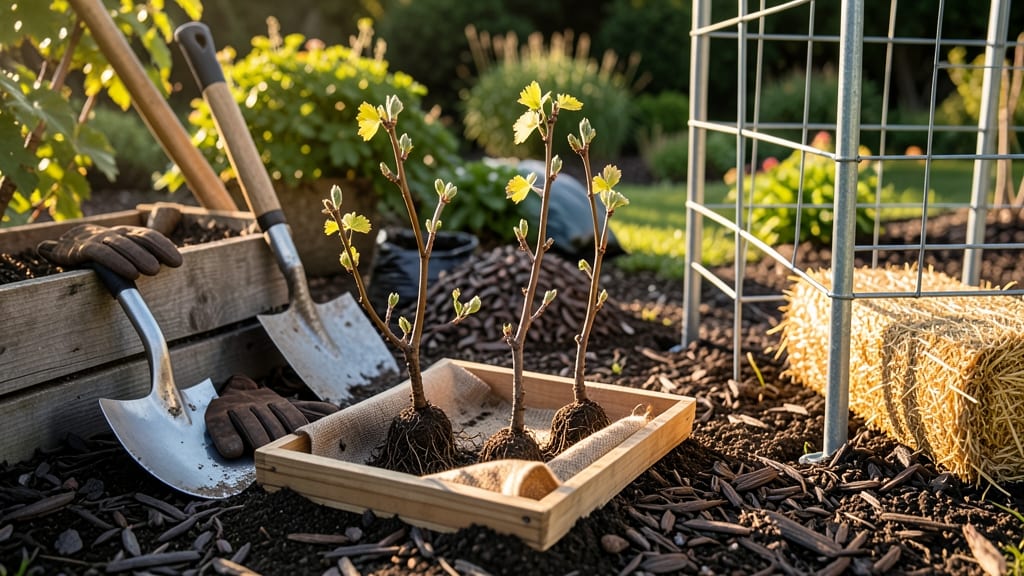
Planting grapes in Georgia at the wrong time could mean struggling with poor fruit set or even losing your entire crop—especially when you're just 3-4 weeks away from your first harvest.
The key to success lies in matching your grape variety to Georgia's chill-hour requirements and timing your planting perfectly to avoid frost while giving roots time to establish.
With Georgia's 7b-8b climate zones, you've got a prime growing environment for 🍇 grapes, but knowing exactly when to plant makes all the difference.
Late winter to early spring (February-March) is your ideal window, but not all grape varieties thrive in Georgia's heat—some need more chill hours than others to produce fruit.
I'll break down the exact planting timeline for low-chill, medium-chill, and high-chill varieties so you can choose what works best for your microclimate. Whether you're planting in-ground or containers, these insights will help you avoid common mistakes that lead to failed harvests.
Ready to grow grapes that produce reliable, flavorful fruit year after year? Let's dive into the best planting strategies tailored specifically for Georgia's unique growing conditions.
Georgia grape planting timeline by chill-hour requirements
Georgia’s USDA zones 7b-8b create perfect conditions for grape cultivation, but the key to success lies in matching your variety’s chill-hour needs with the right planting window. Chill hours (the number of hours below 45°F during dormancy) determine whether your grapes will bud, bloom, and fruit properly.
Planting at the wrong time can lead to poor fruit set or even vine death in Georgia’s heat.
Most Georgia grape growers focus on three chill-hour categories: low-chill (100-300 hours), medium-chill (300-600 hours), and high-chill (600+ hours). Low-chill varieties thrive in the state’s Coastal Plain, while medium-chill grapes dominate the Piedmont.
High-chill varieties are best suited for the mountain regions, where cooler winters provide the necessary dormancy.
Soil temperatures also play a critical role. Aim to plant when soil temps reach 50°F—this ensures roots establish before the ground heats up. In Georgia, this typically aligns with late February to early April, but exact timing depends on your microclimate and chosen variety.
Here’s a quick reference for planting windows by chill hours to help you avoid common mistakes like early planting in frost-prone areas or delaying too long in warming soils.
| Chill-Hour Range | Best Planting Window | Soil Temp Requirement | Frost Risk | Georgia Regions |
|---|---|---|---|---|
| 100-300 hours | Late February - Early March | 50-55°F | Low (Coastal Plain) | Coastal Plain, Low Piedmont |
| 300-600 hours | Mid-March - Early April | 50-55°F | Moderate (Piedmont) | Piedmont, North Georgia |
| 600+ hours | Early April - Mid-April | 50-55°F | High (Mountains) | Blue Ridge, Appalachian |
For low-chill varieties like Muscadine or Scuppernong, planting in late February gives vines time to establish roots before the heat of April and May. These varieties are drought-tolerant once established, making them ideal for Georgia’s hotter, drier summers.
However, avoid planting after mid-March unless you’re in the mountains, where cooler soils delay warming.
Medium-chill grapes, such as Norton (Georgia’s state grape) or Catawba, need that March window to accumulate enough chill hours. Planting too early risks frost damage to new shoots, while delaying past early April can stress vines as temperatures rise. These varieties thrive in Georgia’s Piedmont region, where winters are cooler than the Coastal Plain but warmer than the mountains.
High-chill varieties like Cabernet Sauvignon or Chardonnay are best planted in early April in Georgia’s mountain regions. These areas experience longer, colder winters, providing the extra chill hours needed.
In lower elevations, these varieties may struggle to bud properly or produce fruit, so choose low-chill hybrids like Bluebird or Black Spanish for warmer areas.
One common mistake is planting bare-root vines too early—before the ground thaws completely. Frozen soil can stunt root growth, leaving vines vulnerable to winter dieback. To test soil readiness, dig a 6-inch hole and check if the soil is crumbly and moist but not soggy.
If it’s still icy or compacted, wait 1-2 weeks before planting.
Container-grown grapes can be planted slightly later than bare-root vines, as their roots are already established. However, they still need to go into the ground before bud break (typically by mid-April in most of Georgia).
When transplanting, water deeply 24 hours before moving to reduce shock, and prune any damaged roots before planting.
Finally, always monitor local frost dates—Georgia’s last frost can vary from mid-March in the Coastal Plain to early April in the mountains. Planting 3-4 weeks before the last frost gives vines time to root before temperatures rise, ensuring a strong start to the growing season.
Best grape varieties for Georgia’s climate zones and their planting rules
Georgia’s diverse climate zones—from the humid Coastal Plain to the cooler Mountains—mean you’ll need to choose grape varieties that match your region’s chill hours. Muscadines thrive in the low-chill Coastal Plain, while Norton and Cabernet Sauvignon prefer the moderate chill of the Piedmont.
In the Mountains, even high-chill varieties like Chardonnay can succeed with proper timing.
Your planting window depends on both chill-hour needs and last frost dates. In Zone 7b-8b, most varieties can be planted from late February to early April, but container-grown vines offer flexibility for late transplants.
For example, Muscadines can handle 100-300 chill hours, while European hybrids like Norton need 300-600 hours.
🍇
For container planting, you can extend your window slightly—just ensure soil temperatures stay above 50°F before transplanting. Bare-root vines should go in the ground 3-4 weeks before last frost, while potted vines can handle late transplants until early May if kept in shade cloth during heatwaves.
If you’re in the Coastal Plain, prioritize Muscadines or Scuppernong varieties—they handle humidity better. In the Piedmont, Norton and Catawba are top picks for their balance of chill and heat tolerance. For the Mountains, Cabernet Franc or Merlot work well in cooler microclimates.
Pro tip: Test your soil’s pH (5.5-6.5) before planting—Georgia’s clay-heavy soils often need organic matter like compost or aged manure to improve drainage. Mulch heavily after planting to retain moisture during Georgia’s hot summers.
Container growers can also use dwarf rootstocks to fit vines in smaller spaces, but they’ll still need 6-8 hours of sun daily. Just remember: overwatering is a common mistake—grapes hate soggy roots! 💧