
Plants
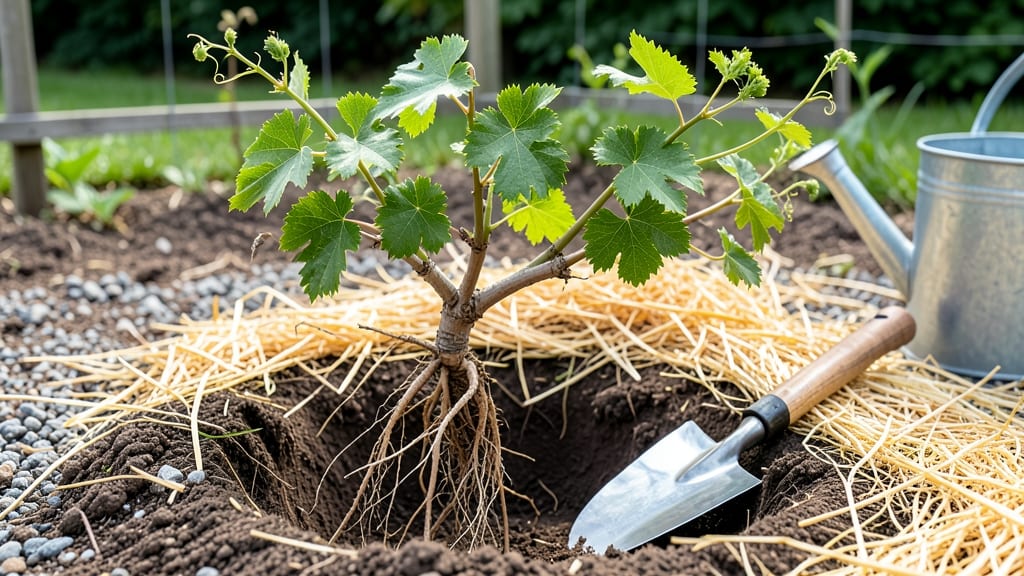
Timing your grapes planting in Indiana isn't just about the calendar—it's about matching your vines to the state's tricky 5b-6b heat zones. Plant too early, and frost will nip your progress; too late, and your 🍇 grapes might never reach their full potential.
The difference between a thriving vineyard and a failed experiment often comes down to knowing when to get those roots in the ground.
Most Indiana gardeners swear by April 15 to May 15 for bare-root grapes, when soil temperatures hit that sweet spot of 60°F+. But container-grown varieties can wait until May 15 to June 15, giving them time to establish before summer's heat kicks in.
The key? Avoid planting when late frosts still lurk in the forecast—your grapes won't thank you for a cold shock.
What you might not realize is that Indiana's microclimates play a huge role. Southern regions like Evansville enjoy 10-14 extra frost-free days compared to northern areas like South Bend, meaning your neighbors might be harvesting while you're still waiting for your vines to leaf out.
We'll break down exactly how to adjust your planting schedule based on where you live in the state.
Ready to grow grapes that outperform your neighbors'? I'll walk you through the exact soil prep, frost protection tricks, and heat-zone matching that'll give your vines the best possible start. Let's get those 🍇 grapes growing strong—Indiana-style.
Indiana’s best planting windows for grapes by heat zone
Indiana’s USDA heat zones 5b-6b create unique challenges for grape growers, where late spring frosts can devastate young vines while summer heat accelerates growth. Timing your planting to match these conditions means the difference between vigorously thriving vines and failed experiments.
Let’s break down the exact windows that work best for Indiana’s climate.
Most Indiana gardeners should focus on spring planting (April 15–May 15) for bare-root grapes or late spring (May 15–June 15) for container-grown varieties. This aligns with soil warming to 60°F+ and avoids the risk of late frost damage that plagues early plantings.
Southern Indiana (zones 6a-6b) can push planting slightly later, while northern regions (zones 5b) must act faster.
Fall planting is riskier in Indiana but possible in late August–early September for established vines. Young plants need time to develop roots before first frost (mid-October), so this method is best for experienced growers with well-draining soil and frost protection plans like row covers.
Microclimates matter: Urban areas like Indianapolis often experience 2–3°F warmer soil temps than rural zones, allowing a 1-week later planting window. Conversely, northern Indiana (LaPorte, Elkhart) faces higher frost risk and should plant 2 weeks earlier than southern regions like Evansville or Bloomington.
Here’s how to match your heat zone, soil temp, and frost risk for foolproof grape planting:
| Zone | Best Planting Window | Soil Temp | Frost Risk | Indiana Regions |
|---|---|---|---|---|
| 5b | April 1–April 15 | 55–60°F | High (late frost) | Northern IN (Gary, Fort Wayne) |
| 6a | April 15–May 1 | 60–65°F | Moderate | Central IN (Indianapolis, Muncie) |
| 6b | May 1–May 15 | 65–70°F | Low | Southern IN (Evansville, Bloomington) |
| Fall Option | August 20–September 10 | 60°F+ | High (early frost) | All zones (experienced growers) |
For bare-root grapes, prioritize planting before buds swell (typically early April in most of Indiana). This gives roots 6–8 weeks to establish before summer heat sets in. Container-grown grapes are more flexible—wait until after last frost (mid-May) when soil is consistently 60°F+.
Use a soil thermometer to confirm temps before planting. If your soil is below 55°F, delay planting or use black plastic mulch to warm the soil faster. In northern Indiana, consider row covers for early plantings to shield vines from late frosts (April 15–May 1).
Pro tip: Test your microclimate by planting a few test vines in different spots. If one thrives while another struggles, you’ve found your sweet spot for grape success in Indiana.
Timing isn’t just about the calendar—it’s about reading your local climate. Use these windows as a guide, but always monitor soil temps and frost forecasts for the most reliable results.
Indiana’s best planting windows for grapes by heat zone
Indiana’s USDA heat zones 5b-6b create a unique challenge for grape growers. The 10-14 day difference in frost-free periods between southern and northern Indiana means your planting window can shift dramatically—even if you're just 50 miles apart.
For northern Indiana (zones 5b), aim for April 15–May 1 to avoid late frosts that can kill tender new shoots. Southern Indiana gardeners in zone 6b have more flexibility, with May 1–15 being ideal for bare-root grapes.
Container-grown grapes deserve extra attention. Since they’re already established, they can handle warmer soil better—plant them May 15–June 15 regardless of your heat zone. This later window reduces transplant shock while giving vines time to root before summer’s heat peaks.
The key? Soil temperature matters more than calendar dates—wait until the ground reaches 60°F+ at a 4-inch depth.
🍇
| Heat Zone | Bare-Root Planting | Container-Grown Planting | Frost Risk |
|---|---|---|---|
| 5b (Northern IN) | April 15–May 1 | May 15–June 1 | High (last frost: April 15) |
| 6a (Central IN) | April 20–May 10 | May 10–June 10 | Moderate (last frost: April 20) |
| 6b (Southern IN) | May 1–15 | May 15–June 15 | Low (last frost: April 5) |
Microclimates add another layer of complexity. Urban areas like Indianapolis often experience 2–3°F warmer soil temperatures than rural fields, while lake-effect zones near Michigan can delay spring by a week. Check your local Purdue Extension frost maps—they’re updated annually and account for these variations.
Pro tip: If you’re in a frost-prone pocket, opt for cold-hardy varieties like Concord or Niagara, which tolerate brief chills better than delicate wine grapes.
Fall planting is a gamble in Indiana. While some gardeners swear by September 1–15 for established vines, the risk of early October frosts makes it unreliable. If you attempt fall planting, choose hardy rootstocks and mulch heavily to insulate roots.
I’ve seen mixed success with this method—your mileage may vary, so I recommend sticking to spring unless you’re experienced with grape culture.
Remember: Soil warmth trumps calendar dates. Use a soil thermometer to confirm 60°F+ before planting. Cold soil slows root growth, leaving vines vulnerable to stress. Pair this with a trellis system installed before planting—grapes need support from day one to avoid flopping in Indiana’s humid summers.
☀️