
Plants
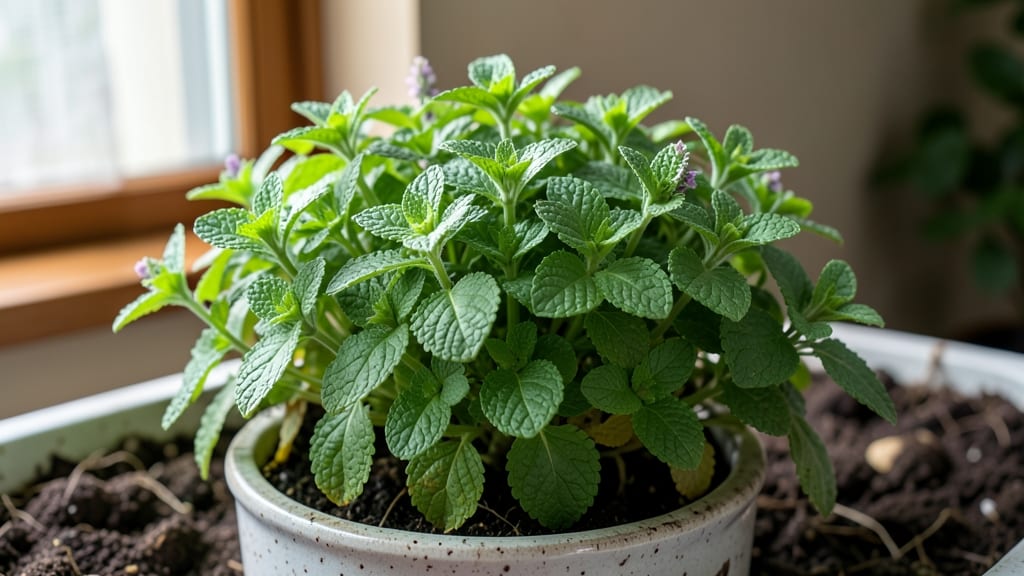
If you're wondering how much light does a mint plant need, you’re not alone—most gardeners struggle with getting the light just right. This hardy herb thrives on bright indirect sunlight, but too much direct sun can scorch its delicate foliage while too little leaves it weak and stretched out.
Understanding how much light a mint plant needs is the key to lush, bushy growth that keeps producing fresh leaves all season. Whether you're growing it in containers on your balcony or tucked into a garden bed, the right light balance makes all the difference.
In this guide, I’ll break down exactly how many hours of sunlight mint needs, how to spot signs of too much or too little light, and where to place your plant for optimal growth. Let’s turn those sad, leggy stems into a thriving, aromatic mint patch!
From indoor windowsills to shaded garden spots, you’ll discover the perfect lighting setup for your 6a zone—whether you’re planting in spring or troubleshooting issues later in the season. Ready to give your mint the ideal growing conditions?


Ideal light requirements for mint plants: bright indirect sunlight explained
Mint plants thrive in bright indirect sunlight, making them perfect for spots that get morning sun but afternoon shade. Aim for 4-6 hours of sunlight daily—this balance prevents the leaf burn from harsh afternoon rays while ensuring robust growth.
Too little light leads to leggy stems, while too much can cause brown patches on leaves.
In outdoor gardens, place mint near trees or structures that provide dappled shade during peak sun hours (11 AM–3 PM). For containers on patios, choose locations with morning sun exposure and afternoon relief from direct rays.
This mimics their natural habitat in wooded areas or under canopy edges.
Indoor mint plants need the brightest spot you can offer, like an east-facing window or within 3-6 feet of a south-facing window. If your home lacks natural light, supplement with a grow light (LED or fluorescent) for 12-14 hours daily. Avoid dim corners—mint won’t survive in low-light conditions.
| Light Requirement | Specifics | Outdoor Placement |
|---|---|---|
| Bright Indirect Sunlight | 4-6 hours daily | East-facing beds, partial shade under trees |
| Morning Sun | 3-4 hours max | Patio containers, garden edges |
| Afternoon Shade | Essential in hot climates | North-facing walls, pergolas |
| Indoor Light | East/south windows or grow lights | Windowsills, kitchen herb gardens |
In hot climates (Zones 8-10), mint benefits from afternoon shade to prevent wilting. Use lightweight shade cloth (30-50% coverage) if growing in full sun. For cooler regions (Zones 3-6), mint can tolerate morning sun only during summer months, as temperatures rise quickly.
If you notice yellowing leaves or stretched stems, your mint isn’t getting enough light. Rotate containers quarter-turns weekly to ensure even growth. For indoor plants, move them closer to the window or add a reflective surface (like aluminum foil behind the pot) to maximize light exposure.
Mint’s ideal light spectrum includes blue and red wavelengths, which boost photosynthesis. If using grow lights, choose full-spectrum LEDs (6400K color temperature) and place them 6-12 inches above the plant. Keep lights on for 14-16 hours daily to mimic summer conditions.
Seasonal adjustments matter: In spring and fall, mint can handle more direct sun (up to 6 hours). During summer’s peak heat, reduce exposure to 3-4 hours of morning sun to prevent stress.
Always monitor leaf color—deep green means perfect light; pale or crispy means it’s time to adjust.
Pro tip: Test your spot before planting. Hold a piece of paper in the location for a few hours—if it casts a soft shadow, it’s ideal. If the paper burns or fades, the area gets too much direct sun.
Mint’s flexibility makes it adaptable, but bright indirect light is non-negotiable for flavorful, bushy growth.
Ideal light requirements for mint plants: bright indirect sunlight explained
Mint plants thrive with bright indirect sunlight, typically 4-6 hours daily. This balance prevents leggy growth while avoiding the leaf burn caused by harsh afternoon rays. Think of it as morning sun with afternoon shade—ideal for both garden beds and indoor containers.
In outdoor gardens, place mint near dappled shade from trees or structures. For containers on patios, morning sun paired with afternoon shade works perfectly. Even east-facing windows provide the gentle light mint craves indoors.
| Requirement | Specification |
|---|---|
| Daily Sunlight | 4-6 hours (bright indirect) |
| Best Window | East-facing (gentle morning light) |
| Outdoor Placement | Partial shade under trees or structures |
| Indoor Lighting | 3-6 feet from south-facing window |
| Avoid | Direct afternoon sun (scorches leaves) |
Mint’s light needs vary by climate. In hot regions, provide afternoon shade to prevent wilting. In cooler zones, extend sunlight slightly to 6-8 hours during winter months when days shorten. Adjust placement seasonally for consistent growth.
For indoor mint plants, supplement with a grow light if natural light falls short. Place the light 6-12 inches above the plant for 12-14 hours daily. Fluorescent or LED grow lights work best—avoid incandescent bulbs, which generate too much heat.
Watch for leaf color changes to gauge light success. Deep green leaves mean perfect light, while pale or yellowing leaves signal too little sun. Conversely, brown leaf edges or crispy textures indicate too much direct sunlight.
By mastering mint’s light preferences, you’ll enjoy a bushy, aromatic plant that produces fresh leaves year-round. Start with 4-6 hours of bright indirect light, adjust seasonally, and watch your mint thrive! 🌿