
Plants
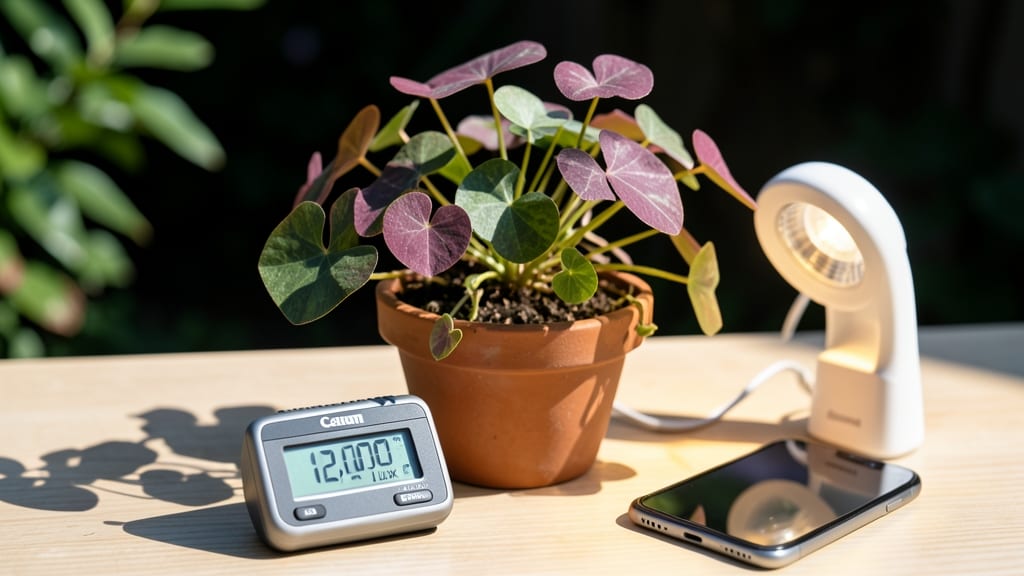
If you’re wondering how much light does a shamrock plant need to thrive, the answer might be simpler than you think—it could be getting the wrong amount. Too much sun turns its delicate leaves crispy, while too little leaves them pale and limp.
The secret to vibrant, lush shamrocks lies in finding that perfect balance of bright, indirect light.
Most shamrocks do best with 4-6 hours of filtered sunlight daily, making them ideal for east-facing windows or lightly shaded outdoor spots. This delicate plant avoids harsh afternoon rays, which can scorch its foliage faster than you’d expect.
Whether you're growing yours indoors or outdoors in USDA Zone 6, understanding these light needs is the first step to keeping your shamrock happy year-round.
I’ve helped countless gardeners revive their struggling shamrocks simply by adjusting their light exposure. The good news? With a few easy tweaks—like rotating your plant or choosing the right spot—you can transform wilted leaves into a thriving, springtime showstopper. Let’s break down exactly how to get it right.
From diagnosing light-related problems to picking the perfect placement, you’ll discover practical tips that work for both beginners and seasoned plant parents. Your shamrock’s future starts with the right light—let’s make it shine.


Ideal light requirements for shamrock plants: bright indirect light explained
Shamrock plants (Oxalis triangularis) thrive in bright indirect light, making them perfect for indoor gardeners with limited direct sunlight. Too much sun causes leaf burn, while too little results in leggy, sparse growth.
Aim for 500-1,000 foot-candles of light—similar to a well-lit office or a spot near an east-facing window.
The key is morning sun and afternoon shade. Direct midday sunlight (especially south-facing windows) can scorch their delicate foliage. If outdoors, place them under dappled sunlight or in partial shade with filtered light. This mimics their natural habitat in wooded areas.
For indoor setups, east-facing windows are ideal—they provide gentle morning light without harsh afternoon rays. West-facing windows can work but may require sheer curtains to diffuse intensity. Avoid north-facing windows, which offer dim, cool light that slows growth.
🌱 Pro Tip: Rotate your shamrock plant quarter-turns weekly to ensure even light exposure. This prevents uneven growth and keeps leaves reaching toward the light source.
| Condition | Specification |
|---|---|
| Optimal Light Type | Bright indirect light (e.g., east window) |
| Foot-Candles Range | 500–1,000 ft-c (moderate brightness) |
| Direct Sun Tolerance | Morning sun only (max 2–3 hours) |
| Low-Light Signs | Leggy stems, pale leaves, slow growth |
| Over-Sun Signs | Brown leaf tips, crispy edges, yellowing |
| Seasonal Adjustment | Winter: Supplement with grow lights (12–14 hrs/day) |
Outdoor shamrocks love filtered sunlight under trees or on patios with afternoon shade. In containers, move them to a sheltered spot during peak sun hours (11 AM–3 PM). If your garden has harsh afternoon sun, provide shade with a lightweight cloth or place them near a north-facing wall.
💡 Light Measurement Tip: Use a light meter app (free on smartphones) to check foot-candles. Shamrocks thrive at 50% of full sun exposure, so aim for half the light intensity of a sunny windowsill.
Seasonal changes affect light needs. In winter, shorter days mean your shamrock may need grow lights (LED bulbs work best). Place the light 6–12 inches above the plant for 12–14 hours/day to mimic summer conditions.
In summer, watch for heat stress—move potted shamrocks to a cooler spot if temperatures exceed 85°F (29°C).
If you notice stretched stems or small leaves, your shamrock isn’t getting enough light. Conversely, crispy brown edges mean it’s getting too much. Adjust placement gradually—sudden changes shock the plant. A slow transition (e.g., moving it closer to a window over 2 weeks) helps it acclimate.
For indoor growers, group shamrocks with other low-to-medium light plants like pothos or peace lilies. This creates a microclimate with shared humidity and light benefits. Just avoid placing them near heat vents or drafty windows, which disrupt their light balance.
☀️ Final Light
Ideal light requirements for shamrock plants: bright indirect light explained
Shamrock plants (Oxalis triangularis) thrive in bright indirect light, which mimics their natural understory habitat. This means they need 4-6 hours of filtered sunlight daily—think of it as the golden light you’d find under a canopy of trees.
Direct sun, especially in the afternoon, can cause leaf burn and crispy edges, while too little light leads to leggy growth and pale foliage.
To measure light accurately, use a light meter (500-1,000 foot-candles is ideal) or observe your plant’s response. A south-facing window without direct rays or an east-facing window works best indoors. Outdoors, place your shamrock in dappled shade or under a sheer curtain to diffuse harsh rays.
The key is balancing light intensity and duration. Shamrocks can tolerate morning sun (6 AM–12 PM) but should avoid afternoon heat (1 PM–5 PM). If your plant is near a window, rotate it quarter-turns weekly to ensure even growth and prevent leaning toward the light source.
Seasonal adjustments are crucial. In spring and summer, when sunlight is intense, provide afternoon shade with a sheer curtain or move your plant a few feet back from the window.
During fall and winter, supplement with a grow light (12-14 hours/day) if natural light drops below 4 hours daily—this prevents stunted growth and weak stems.
🌱 Shamrock Light Requirements Summary
| Requirement | Specification |
|---|---|
| Light Type | Bright indirect |
| Daily Light Hours | 4-6 hours |
| Intensity | 500-1,000 foot-candles |
| Best Window | East or west-facing |
| Outdoor Placement | Dappled shade or morning sun |
| Winter Supplement | Grow light (12-14 hrs/day) |
Outdoor shamrocks in USDA Zone 6 can handle partial shade (30-50% sunlight) but avoid full sun, which causes leaf scorch. If growing in containers, place them on a patio or deck with morning sun exposure and move them to shade by noon.
This mimics their natural habitat and keeps foliage vibrant.
Watch for signs of stress: Brown leaf tips or yellowing mean too much direct sun, while stretched stems and small leaves signal insufficient light. Adjust placement gradually—sudden changes can shock the plant. With the right light, your shamrock will reward you with lush, clover-like foliage all year round.
Pro tip: Group shamrocks with other low-to-medium light plants like ferns or calatheas for a cohesive look. Their similar light needs make them perfect companions in a bright, indirect-light garden corner. 🍀