
How To
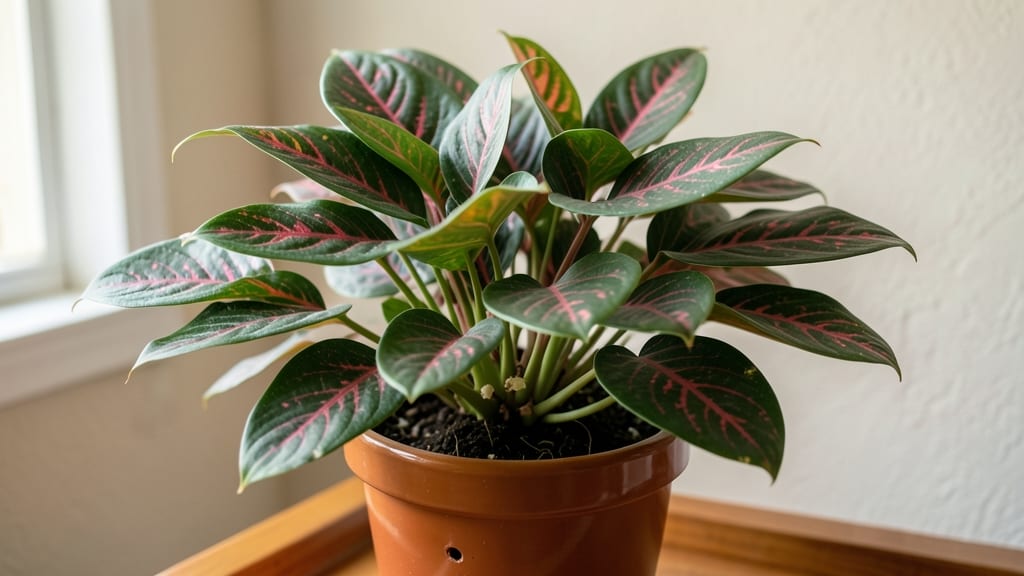
If you're wondering how much light does a Prayer Plant need, you're probably dealing with the wrong kind of light—this stunning foliage plant thrives in a very specific brightness range, and getting it right makes all the difference between lush, vibrant leaves and sad, drooping ones.
The key to happy Prayer Plant care lies in that sweet spot of bright indirect light—think filtered sunlight rather than harsh direct rays. Too little light and your plant will stretch awkwardly toward any available source, while too much can scorch those delicate leaves.
I've seen this struggle firsthand, and once you understand the balance, your plant will reward you with dramatic leaf movements and striking patterns.
Let me show you exactly how to create the perfect light environment, whether you're working with a sunny east-facing window or need to supplement with artificial lighting.
We'll cover the signs your plant is telling you it's not getting enough (or too much) light, and how to adjust before it's too late.
By the end, you'll know not just how much light your Prayer Plant needs, but also how to read its subtle cues and keep it thriving year-round. Your plant's health depends on getting this right—and the good news is, it's simpler than you might think.


Ideal light requirements for prayer plant growth and leaf patterns
Your prayer plant (Maranta leuconeura) thrives in bright indirect light, making it perfect for indoor gardens near windows. Unlike sun-loving plants, it avoids harsh afternoon rays that can scorch its delicate velvet-textured leaves.
Think of it like a tropical rainforest understory—dappled light filters through taller plants, creating the ideal growing conditions.
The perfect light balance for a prayer plant is about 4-6 hours of bright indirect light daily. This mimics its natural habitat in South American forests where sunlight gently filters through the canopy.
Too little light causes pale, stretched leaves, while too much leads to brown leaf tips or crispy edges.
Here’s how to visualize the ideal setup: Imagine placing your plant 2-3 feet away from an east-facing window where morning sun is gentle. West-facing windows get intense afternoon light, which can quickly become too harsh.
North-facing windows provide soft light but may be too dim unless you supplement with grow lights.
Seasonal adjustments are key—during summer months, your prayer plant may tolerate 1-2 hours of morning direct sun (6 AM–8 AM), but always move it back from the window by noon.
In winter, when natural light dims, consider rotating your plant quarter-turns weekly to ensure even growth and prevent lopsided foliage.
The leaf patterns of your prayer plant are directly tied to light exposure. Variegated varieties like 'Kerchoveana' need slightly more light to maintain their striking white/pink veins, while solid green types like 'Fascinator' adapt to slightly lower light.
When light is insufficient, the iconic prayer-like leaf movement (closing at night) becomes sluggish, and leaves lose their vibrant colors.
Pro tip: If your prayer plant’s leaves start drooping or curling during the day, it’s often a sign of underwatering combined with low light. The two issues compound—dry soil in dim conditions stresses the plant further.
Always pair light adjustments with consistent moisture checks (top inch of soil should stay lightly damp).
🌿
| Light Condition | Ideal Scenario | Leaf Response | Adjustment Needed |
|---|---|---|---|
| Bright Indirect Light | East-facing window, 2-3 ft away | Vibrant colors, upright leaves, active prayer movement | None – perfect conditions! |
| Low Light (North Window) | Add grow light 6-8 hrs/day | Pale leaves, slow growth, weak stems | Move closer to window or supplement with LED grow light |
| Direct Sun (South/West Window) | Limit to morning sun only (6 AM–10 AM) | Brown leaf tips, crispy edges, wilting | Use sheer curtain to diffuse light or move 4+ ft away |
| Fluorescent/LED Light | 12-14 inches from plant, 10-12 hrs/day | Healthy growth, even color distribution | Use full-spectrum bulb (5000-6500K) |
Understanding how light affects leaf movement is fascinating! Prayer plants close their leaves at night (a survival trait to conserve moisture) and open them during the day. In optimal light conditions, this movement is smooth and rhythmic.
If your plant’s leaves stay partially closed all day, it’s likely stressed from too much direct light or low humidity. Pair light adjustments with increased humidity (60-70%) using a pebble tray or humidifier.
For variegated varieties, slightly brighter conditions (but still indirect) help maintain their striking patterns. If you notice the white or pink veins fading, gradually move the plant to a sunnier spot over 1-2 weeks. Sudden light changes can shock the plant, causing leaf drop or
Signs your prayer plant isn’t getting enough (or too much) light
Your prayer plant’s leaves are its calling card—when they start sending SOS signals, it’s usually a light-related issue. Watch for yellowing leaves or brown crispy edges, which scream "too much direct sun!"
Meanwhile, dull, pale foliage or stunted growth means it’s craving more brightness. These visual cues help you diagnose the problem fast.
If your Maranta leuconeura’s leaves develop brown patches or look scorched, it’s getting harsher afternoon sun than it can handle. Move it 3-4 feet away from the window or use a light sheer curtain to diffuse the rays. Think of it like sunblock for plants—gentle but effective.
On the flip side, pale, washed-out leaves or leggy growth (stretching toward light) means your plant is light-starved. This happens when placed too far from windows or in north-facing rooms. Rotate your pot quarter-turn weekly to ensure even growth and prevent lopsided leaves.
🌱 Here’s the kicker: Prayer plants also fold their leaves at night (hence the name!)—this is normal behavior. But if they stay permanently folded or crispy during the day, that’s a stress signal from too much light or low humidity.
Pair proper lighting with a pebble tray or humidifier for best results.
Pro tip: Leaf variegation (those stunning patterns!) fades under low light. If your Maranta leuconeura’s colors look dull or muted, it’s begging for bright indirect light. Place it near a kitchen window or bathroom window—these spots often get steady, gentle light without harsh afternoon rays.
Finally, if your plant’s leaves droop constantly (even when watered), it could be light + humidity combo stress. Try this: Mist leaves daily and move it to a bathroom shelf with the shower light on—humidity spikes there naturally!
With the right balance, your prayer plant’s leaves will bounce back faster than you’d expect.
🌿 Remember: Observation is key. Keep a plant journal to track light changes and leaf responses—it’s the fastest way to master your prayer plant’s light needs!