
How To
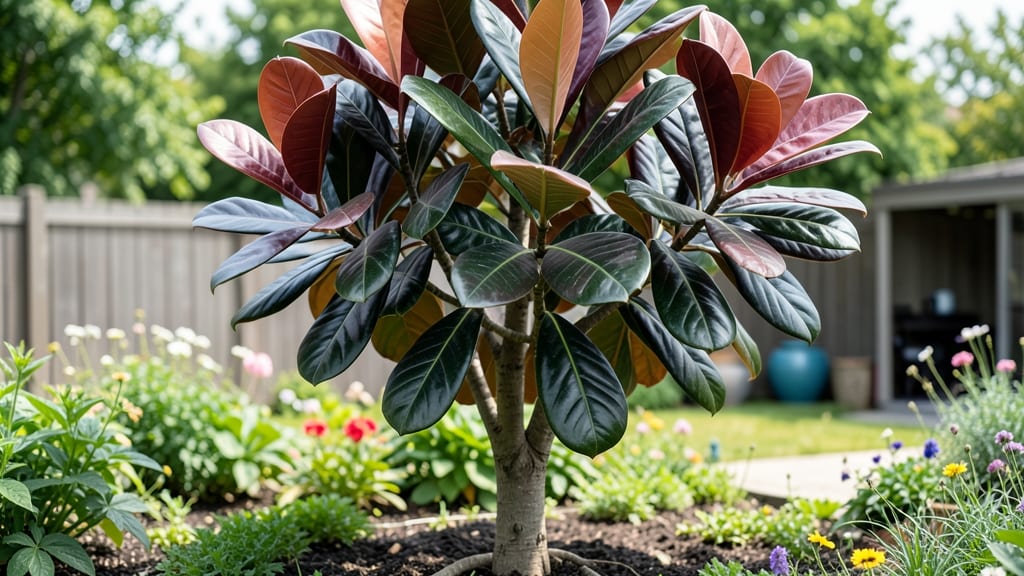
If you’ve ever wondered how tall does rubber plant grow before committing to one, you’re not alone—this glossy-leaved beauty can become a room-divider if left unchecked. 🌿 The good news?
With the right care (and a little pruning know-how), you can keep your Rubber Plant at a manageable height, whether you want a compact tabletop statement or a towering indoor focal point.
Indoor varieties typically reach anywhere from 3 to 10 feet, depending on the cultivar—some, like the 'Decora,' stay shorter, while others, like 'Black Prince,' can stretch toward the ceiling if given enough light and space.
But here’s the secret: light exposure and pruning are the real game-changers when it comes to controlling height.
Let’s break down what you need to know: the growth habits of different rubber plant types, how to encourage (or rein in) their height, and the simple care tips that’ll keep your plant thriving—without it turning into a jungle in your living room.
Ready to pick the perfect size for your space? I’ll walk you through everything, from dwarf varieties that fit on shelves to the pruning techniques that’ll keep your Rubber Plant at your ideal height.


Rubber plant height by variety: indoor growth limits explained
Rubber plants (Ficus elastica) are popular houseplants for their glossy leaves and air-purifying benefits, but their height can vary dramatically depending on the variety and growing conditions. Without proper care, some types can reach 10 feet tall indoors—taller than most ceiling fans!
Understanding these growth limits helps you choose the right plant for your space and light conditions.
Most rubber plants grow 6 to 10 feet tall indoors when left unpruned, but dwarf varieties stay between 3 to 6 feet. The key factors influencing height are light exposure, pruning habits, and container size.
For example, a Black Prince variety can grow aggressively in bright light, while a variegated 'Tineke' may stay shorter due to slower growth rates.
Below is a breakdown of common rubber plant varieties and their typical indoor height ranges, along with care tips to manage their growth. Whether you have a cozy apartment or a spacious home, there’s a rubber plant variety that fits your space!
| Variety | Indoor Height Range | Growth Rate | Best For |
|---|---|---|---|
| Black Prince | 6–10 ft | Fast (1–2 ft/year) | Large spaces, bright light |
| Decora | 3–6 ft | Moderate (1 ft/year) | Medium rooms, indirect light |
| Tineke (Variegated) | 3–5 ft | Slow (6–12 in/year) | Small spaces, low light |
| Burgundy | 4–8 ft | Moderate (1–1.5 ft/year) | Bright corners, statement plants |
| White Princess | 3–6 ft | Slow to moderate | Low-light areas, compact growth |
If you’re working with limited space, opt for dwarf varieties like 'Tineke' or 'White Princess', which thrive in smaller pots and lower light. These types grow 6–12 inches per year, making them ideal for apartments or offices.
For larger areas, Black Prince or Burgundy varieties add dramatic height and texture.
Light exposure directly impacts height—rubber plants in bright indirect light grow faster and taller, while those in low light remain shorter but may develop leggy stems. Place your plant near an east-facing window for balanced growth. Rotate the pot every 4–6 weeks to ensure even light exposure on all sides.
Container size also plays a role: Root-bound plants grow taller as they stretch toward light, while larger pots encourage bushier, slower growth. If your rubber plant is outgrowing its pot, repot into a container just 1–2 inches wider than the current one.
This prevents overgrowth while allowing room for new roots.
Pruning is another tool to control height. Regular trimming encourages fuller growth and prevents leggy stems. I recommend pruning in spring or early summer when the plant is actively growing.
Simply cut back 1/3 of the stem just above a leaf node to promote branching. Save the cuttings—you can propagate them to create new plants!
Outdoor rubber plants can grow even taller, reaching 15–20 feet in tropical climates, but indoor varieties rarely exceed 10 feet unless given ideal conditions.
If you love the look of a tall rubber plant but lack ceiling space, consider training it to climb a moisture wick trellis or letting it trail from a high shelf.
For slow-growing varieties, patience is key. A Tineke rubber plant may take 3–5 years to reach its mature height of 5 feet, while a Black Prince can hit 6 feet in just 2 years with optimal care.
Always check the leaf size and stem thickness—larger leaves and thicker stems indicate faster growth.
Need a quick reference? Here’s a height cheat sheet for rubber plants:
- 1 year old: 1–2 ft
- 2 years old: 3–4 ft
- 3+ years old: 5–10 ft (varies by variety)
How to control rubber plant height: pruning tips for compact growth
Pruning your rubber plant (Ficus elastica) isn’t just about keeping it tidy—it’s the secret to controlling its height and bushiness. Without pruning, even a dwarf variety can shoot up to 10 feet tall indoors.
The good news? With the right techniques, you can shape it into a compact, manageable size while encouraging fuller growth.
Timing is everything. The best time to prune is in spring or early summer, when your plant is entering its active growth phase. Avoid heavy pruning in fall or winter, as this can stress the plant during its dormant period.
Even light trimming to remove yellow or damaged leaves can keep it healthy and encourage new growth.
🌱 Pruning tools matter. Use clean, sharp pruners or shears to make clean cuts just above a leaf node. Avoid tearing the stem, which can leave it vulnerable to disease or pests.
If you’re hesitant to prune, start with just a few branches to see how your plant responds.
Step-by-Step Pruning Guide for Rubber Plants
- Step 1: Identify the right branches – Choose healthy stems that are at least 12 inches long for pruning. Focus on overgrown or leggy growth.
- Step 2: Make the cut – Prune just above a leaf node (the bump where leaves grow) at a 45-degree angle. This encourages new side shoots to grow.
- Step 3: Propagate cuttings – Place cuttings in water or moist soil to root. In 4-6 weeks, they’ll sprout new leaves, giving you free mini rubber plants!
- Step 4: Encourage bushiness – After pruning, place your plant in bright, indirect light and fertilize lightly to promote dense, compact growth.
Pruning isn’t just about height control—it’s also about rejuvenating older plants. If your rubber plant has bare stems or sparse foliage near the bottom, pruning the top can stimulate new growth lower down, giving it a fuller, more balanced look.
Just remember: less is more—start conservatively and adjust based on how your plant responds.
One common mistake is over-pruning, which can shock the plant and lead to leaf drop or stunted growth. If you cut back too much at once, your rubber plant may take weeks to recover.
For large or mature plants, prune in stages over a few weeks to minimize stress.
🪴 Pro tip: If you love your rubber plant’s height but want a bushier shape, try the "pinch" method. Simply pinch off the top few inches of new growth when the plant is young.
This encourages multiple branches to form, creating a fuller, more compact plant without sacrificing height.