
How To
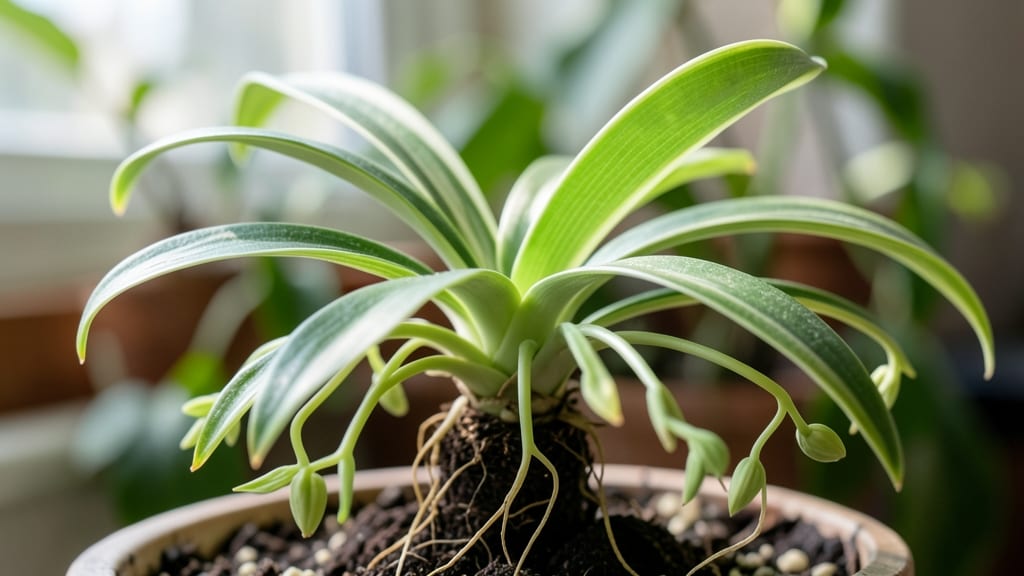
Figuring out "spider plant how much water" can feel like solving a mystery—too little and the leaves droop, too much and they turn crispy. But here's the secret: this resilient plant actually tells you exactly what it needs, if you know what to look for.
Most beginners assume a strict watering schedule works, but spider plants (🕷️) thrive on adaptability. Instead of guessing, focus on the soil: stick your finger 1-2 inches deep, and if it feels dry, that's your cue.
This simple test eliminates the guesswork and keeps your plant's roots happy without the risk of overwatering.
What makes this even better? Your spider plant's environment plays a huge role. Bright indirect light speeds up evaporation, while cooler winter air means you can stretch those watering intervals. We'll break down how to adjust your routine based on your home's conditions—no more brown tips or sad drooping leaves.
Ready to master the art of spider plant hydration? I'll walk you through the exact signs to watch for, the best watering techniques, and how to create the perfect balance for lush, thriving growth—no green thumb required.

How often to water spider plants based on soil moisture (not a schedule)
Spider plants thrive on a consistent but flexible watering routine—there’s no one-size-fits-all schedule. Instead, focus on the top 1-2 inches of soil as your guide. When this layer feels dry to the touch, it’s time to water.
This method adapts to your home’s humidity, pot size, and seasonal changes, keeping your plant lush and vibrant.
During spring and summer, your spider plant may need water every 5-7 days because warmer air increases evaporation. In fall and winter, reduce frequency to every 10-14 days as growth slows.
Ignoring these seasonal shifts often leads to overwatering, which causes root rot or underwatering, resulting in crispy brown tips.
Here’s the golden rule: water deeply until you see excess moisture drain from the pot’s bottom. This ensures the roots absorb enough water without sitting in soggy conditions.
Skipping this step is a common mistake—many gardeners assume a quick splash is enough, but spider plants need a thorough soak to thrive.
Your spider plant’s pot material also plays a role. Terracotta pots dry faster than plastic, so terracotta-loving plants may need water more often. If you’re unsure, stick your finger into the soil—this simple finger test is foolproof and saves your plant from guesswork.
Another pro tip: group plants together in a tray of pebbles and water. The humidity from the tray mimics their natural tropical habitat, reducing how often you need to water. This trick is especially helpful in dry indoor environments where air circulation strips moisture from leaves.
Let’s break down the ideal watering routine with a quick reference table to keep your spider plant happy year-round.
| Season | Frequency | Soil Check | Notes |
|---|---|---|---|
| Spring | Every 5-7 days | Top 1-2 inches dry | New growth needs moisture |
| Summer | Every 5-7 days | Top 1-2 inches dry | Heat increases evaporation |
| Fall | Every 10-14 days | Top 2 inches dry | Growth slows naturally |
| Winter | Every 10-14 days | Top 2 inches dry | Dormancy reduces water needs |
Avoid the temptation to water on a strict schedule—your spider plant will thank you. Overwatering is the #1 killer of these resilient plants, so always err on the side of dryness.
If you’re ever unsure, lift the pot: a soggy pot means you’ve overdone it, while a lightweight pot signals it’s time to hydrate.
Humidity also affects watering needs. If your home feels dry (common in winter with indoor heating), your spider plant may need water more frequently. Conversely, high humidity in summer can extend the time between waterings. Use a hygrometer to monitor humidity levels—aim for 40-50% for optimal growth.
One last tip: empty the saucer after watering to prevent root rot. Spider plants hate soggy conditions, and standing water in the saucer traps moisture against the roots. This simple habit can extend your plant’s lifespan by years, ensuring it stays healthy and vibrant for decades.
Mastering the art of spider plant watering isn’t about memorizing a schedule—it’s about observing your plant and adapting to its needs. With these guidelines, you’ll keep your spider plant thriving with minimal effort and maximum results. 🌱
How often to water spider plants based on soil moisture (not a schedule)
Spider plants thrive on a consistent but flexible watering routine—there’s no one-size-fits-all schedule. Instead, focus on the top 1-2 inches of soil as your guide. Stick your finger into the soil: if it feels dry, it’s time to water.
If it’s still damp, wait a few more days. This method prevents both overwatering and underwatering, which can stress your plant.
During spring and summer, your spider plant will drink more water due to active growth. Aim to water every 5-7 days, but always check the soil first. In fall and winter, growth slows, so reduce watering to every 10-14 days.
Overwatering in cooler months is a common mistake that leads to root rot and yellow leaves.
Here’s a quick rule of thumb: Water deeply until you see water draining from the pot’s holes, but avoid leaving the plant sitting in standing water. Empty the saucer 10-15 minutes after watering to prevent soggy roots.
Adjust your watering frequency based on your home’s humidity levels—dry air means more frequent watering, while humid conditions may require less.
| Season | Watering Frequency | Soil Check | Notes |
|---|---|---|---|
| Spring | Every 5-7 days | Top 1-2 inches dry | Active growth phase |
| Summer | Every 5-7 days | Top 1-2 inches dry | Hotter = faster drying |
| Fall | Every 10-14 days | Top 2-3 inches dry | Growth slows down |
| Winter | Every 10-14 days | Top 2-3 inches dry | Minimal water needed |
Another pro tip: Bottom-watering your spider plant can help regulate moisture levels. Place the pot in a tray of water for 10-15 minutes, allowing the roots to absorb what they need. This method reduces the risk of overwatering while ensuring the soil stays evenly moist. Just
If you notice brown tips on your spider plant’s leaves, it’s often a sign of overwatering or fluoride buildup from tap water. Switch to filtered or distilled water and adjust your watering schedule. On the flip side, yellowing leaves or drooping foliage usually mean your plant is thirsty. Always trust the soil test over a strict schedule—your spider plant will thank you with vibrant, healthy growth!
For extra peace of mind, group your spider plants together. They create a microclimate that retains moisture, reducing how often you need to water. Just ensure each pot has proper drainage holes to prevent water from pooling at the bottom.
With these adjustments, your spider plant will stay lush and happy year-round.