
Companion Plants
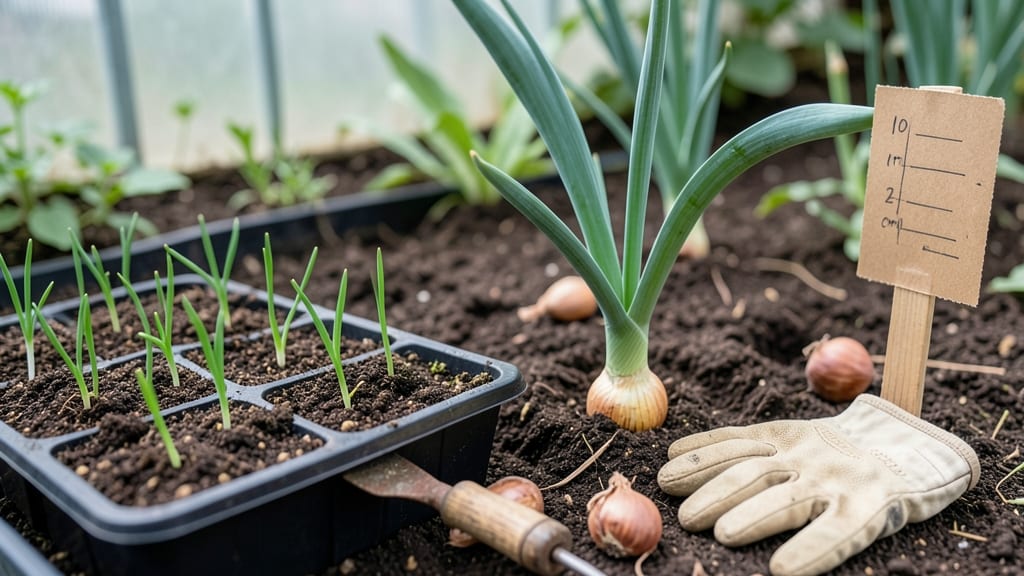
Knowing when to plant onions in Zone 6 isn’t just about checking the calendar—it’s about catching the perfect soil temperature window that makes all the difference between fast germination and frustration. 🧅 Too early, and your seeds will linger in cold soil; too late, and you might miss the sweet spot for bulbs that mature just in time for harvest.
In Zone 6, where frost can linger until mid-April and heat arrives by late summer, timing is everything. Plant too soon, and you’ll spend weeks waiting for sprouts that never seem to break through.
But get it right, and you’ll enjoy fresh, homegrown onions in just 100 days—whether you’re starting from sets, transplants, or seeds.
This guide cuts through the guesswork, giving you the exact soil temperature triggers (think 40–50°F) and planting windows that work for both spring and fall crops.
Whether you’re a first-time gardener or a seasoned green thumb, these tips will help you avoid common pitfalls like slow starts or bolting onions.
Ready to grow onions that thrive? Let’s break down the best times to plant in Zone 6, plus pro tips to ensure your harvest is bountiful and ready just when you need it.

Zone 6 onion planting calendar: exact dates by soil temperature
Onions thrive in Zone 6 when planted during two key windows: early spring and late summer. The secret to success lies in soil temperature, not just the calendar date.
Onion seeds and sets germinate best when soil reaches 40–50°F, while transplants prefer slightly warmer 50–60°F soil. Let’s break down the exact timing for your Zone 6 garden.
For spring planting, aim to plant 4–6 weeks before your last frost date (typically March–April in Zone 6). This gives seedlings time to establish roots before warmer weather arrives. If you miss this window, don’t worry—fall planting (late summer) is another great option for a second harvest.
Soil temperature is your best guide, not the calendar. Use a soil thermometer to confirm readiness. If temperatures dip below 40°F, germination slows dramatically, and seeds may rot. Conversely, planting too early in cold, wet soil invites fungal diseases like white rot or damping-off.
Here’s the Zone 6 onion planting calendar based on soil temperature triggers and frost dates:
Pro tip: Short-day onions (like Texas Early White) are perfect for Zone 6 because they mature quickly before the heat sets in. Long-day onions (e.g., Yellowstone) need cooler summer nights to bulb properly, making them ideal for late summer planting.
If you’re planting from seed, sow them indoors 8–10 weeks before the last frost for transplants. For sets or bulbs, you can plant them directly into the garden as soon as the soil is workable. Just remember: consistency is key—onions hate temperature swings!
For fall harvests, aim to plant by mid-August in Zone 6. This gives bulbs time to mature before the first frost (mid-October). Use row covers or straw mulch to extend the season if needed. Overwintered onions often produce larger bulbs the following spring.
One common mistake? Planting too early and ending up with bolt-prone onions when days lengthen. To prevent bolting, choose day-neutral varieties like Candy or Sweet Sandwich, or plant shade cloth if temperatures soar.
Finally, always rotate your onion planting location every year to prevent soil-borne diseases. Onions are heavy feeders, so amend your soil with compost or well-rotted manure before planting. This ensures your Zone 6 onion harvest is both bountiful and disease-free.
How to Test soil temperature for perfect onion germination
Testing your soil temperature before planting onions in Zone 6 is the secret to fast germination and strong starts. Onions need soil between 40°F and 50°F to sprout reliably—too cold, and they’ll sit dormant; too warm, and they may bolt prematurely.
Without knowing your soil’s temperature, you’re guessing, and guesswork often leads to disappointment.
You don’t need fancy equipment to check soil temperature. A simple soil thermometer (available for under $10) gives you precise readings, but even a DIY method with a regular thermometer works in a pinch.
Stick the thermometer 2 inches deep—that’s where onion seeds or sets will be planted—and wait 10 minutes for an accurate reading.
Here’s the golden rule: Spring planting should happen when soil hits 40°F consistently (usually 4-6 weeks before your last frost). For fall planting, aim for 50°F soil about 8-12 weeks before your first frost.
Zone 6 gardeners often see these temps in late March to early April for spring and late August to early September for fall.
🌱 Step-by-Step Soil Temp Check
- Morning Test: Check soil temp before 10 AM when it’s coolest. Soil warms up during the day, so morning readings are most accurate.
- 2-Inch Depth: Insert the thermometer 2 inches deep—this mimics where onion seeds or sets will be planted.
- Wait 10 Minutes: Leave the thermometer in place for 10 minutes to ensure an accurate reading.
- Test for 3 Days: Check the same spot for 3 consecutive days to confirm consistent temps before planting.
- Adjust Timing: If temps fluctuate, wait until they stabilize. For example, if your soil is 38°F one day and 45°F the next, hold off until it’s reliably above 40°F.
If your soil is too cold, don’t rush planting. Onion seeds won’t germinate below 40°F, and even transplants will struggle. Instead, use this time to prepare your garden bed: loosen soil, add compost, and ensure good drainage.
Cold soil also means slower root growth, so mulch lightly to retain warmth once you plant.
For fall planting, the stakes are higher. Soil that’s too warm in late summer can cause onions to bolt (flower) early, ruining your harvest. If your soil is above 55°F in August, delay planting until September when temps drop.
A shade cloth over the bed can help cool the soil if needed.
Pro tip: Keep a gardening journal to track soil temps year after year. Note when your soil hits 40°F and 50°F—this helps you predict future planting windows without guesswork. Over time, you’ll know exactly when to plant for maximum success in Zone 6.