
Plants
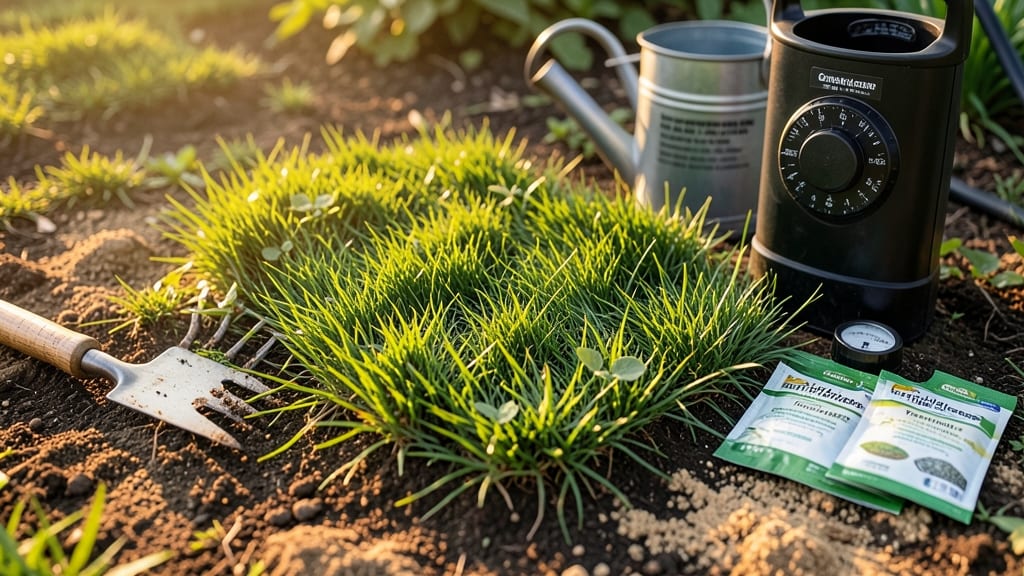
Timing when you can plant grass seed in Minnesota isn’t just about luck—it’s about beating frost and weeds to create a thick, vibrant lawn. With Zones 4a-4b offering only 150-180 frost-free days, planting too early risks killing seedlings, while waiting too long lets weeds steal the show.
Most gardeners assume spring is the only window, but fall offers a second chance for deeper root growth. I’ll break down the exact frost-free windows—from early April to late May for spring, and September to early October for fall—so you can plant when soil temps and moisture align perfectly.
You’ll also discover how to prep your soil, choose the right grass seed type, and avoid 3 common mistakes that derail even the best-laid plans. Whether you’re seeding a new yard or overseeding an existing one, these tips will help you skip the guesswork and get results.
Let’s dive into the best months, soil conditions, and care steps to ensure your 🌱 Grass (Turfgrass) thrives year after year—no matter where you are in Minnesota.
Minnesota grass seed planting calendar: best months by Zone 4a-4b
Timing is everything when planting grass seed in Minnesota, where Zone 4a-4b means short frost-free windows. The key is planting 4-6 weeks before the first hard frost or 4-6 weeks after the last frost date.
For most of Minnesota, this means late April to mid-May for spring and mid-September to early October for fall.
Spring planting gives grass a head start, while fall planting avoids summer heat stress. Both windows work, but fall is often preferred because cooler temperatures reduce weed competition and soil stays moist longer. Let’s break down the best months for each zone and what to watch for.
Northern Minnesota (Zone 4a) has a shorter growing season, so aim for late April to early May in spring. If you miss that window, fall planting in mid-September is your next best bet.
Southern Minnesota (Zone 4b) has a slightly longer season, allowing for mid-April to late May in spring or late August to mid-October in fall.
Always check your local USDA Plant Hardiness Zone for precise frost dates. Use the National Weather Service or Minnesota Department of Agriculture for updates. Soil temperature is just as critical as air temperature—grass seed needs soil temps between 45-65°F to germinate properly.
Spring planting offers more daylight for growth, but late frosts can damage tender seedlings. Fall planting avoids summer weeds and heat stress, but planting too late risks seedlings not establishing before winter. For both windows, test soil moisture and prepare your lawn at least 4-6 weeks in advance.
If you’re unsure about timing, fall planting is generally safer for Minnesota’s climate. It gives grass time to root deeply before winter, resulting in a stronger, healthier lawn the following spring. Just avoid planting when frost is forecasted within 2 weeks.
For best results, choose a cool-season grass blend like Kentucky bluegrass, fine fescue, or tall fescue, which thrive in Minnesota’s climate. These varieties establish quickly and handle cold temperatures well.
Remember, consistent moisture is key during germination. Water lightly twice daily to keep the soil surface moist until seedlings appear. Once they’re established, reduce to 1 inch per week.
Plan ahead and choose the right window for your zone to ensure a lush, weed-free lawn by next summer. 🌱
How to prepare your lawn for spring vs. fall grass seed planting
Preparing your Minnesota lawn for grass seed is just as critical as timing. Spring and fall planting require different prep steps to account for soil temperatures, moisture, and weed competition.
Start by testing your soil pH—ideal levels for cool-season grasses like Kentucky bluegrass or fescue are between 6.0 and 7.0. If your soil is too acidic or alkaline, amend it with lime or sulfur 4-6 weeks before planting.
For spring planting, focus on early soil warming (aim for 50°F+ soil temps) and weed suppression. Apply a pre-emergent herbicide in late winter to block crabgrass, then aerate your lawn in early April to loosen compacted soil.
This helps seeds make better seed-to-soil contact, which is crucial for germination in Minnesota’s variable spring weather.