
Plants
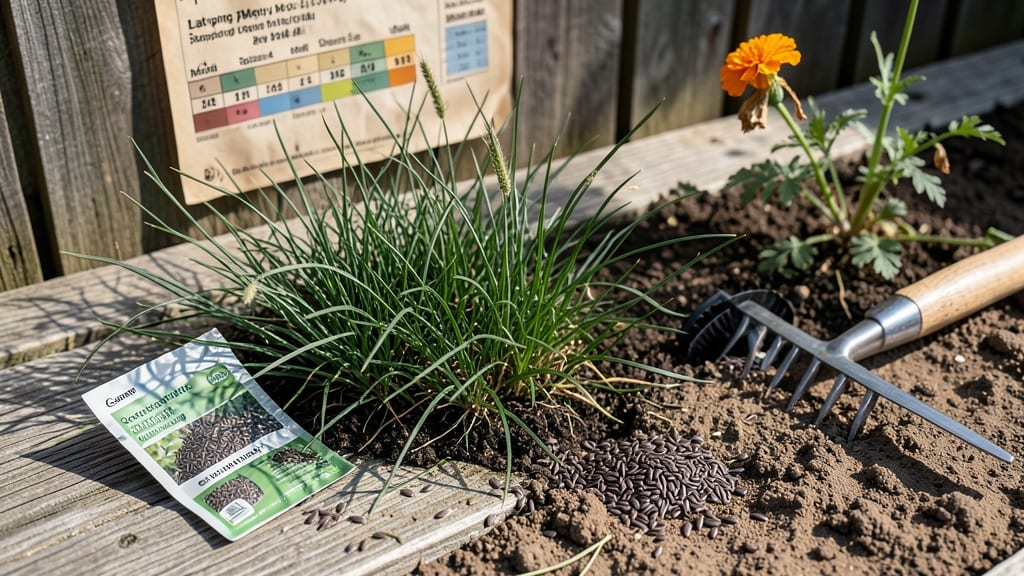
If you’ve ever stared at a half-empty bag of grass seed in late September and wondered when it is too late to plant grass seed in Minnesota, you’re not alone. The answer isn’t just about dates—it’s about giving your 🌱 turfgrass the fighting chance it needs to survive winter.
Minnesota’s USDA Zones 3-5 demand precision, and planting too close to frost can turn your investment into a sad, brown memory by spring.
Most gardeners know fall is the sweet spot, but even a week or two late can mean the difference between a thick lawn and a winter kill. The key lies in soil temperature, frost predictions, and the type of grass seed you’re using.
Cool-season grasses like Kentucky bluegrass or fescue can handle late starts—if you play your cards right—but warm-season varieties like Bermuda grass? Forget it by late August.
What happens if you miss the window? Don’t panic. I’ll show you how to assess your soil, pick the right late-season seed, and even prep for next spring if this year’s timing just didn’t work out.
With the right approach, you can still salvage your lawn—even if you’re planting in October.
Let’s break down the exact deadlines by zone, the risks of late planting, and the smart alternatives that’ll keep your Minnesota lawn looking its best. Ready to turn your close call into a success story?
Minnesota grass seed planting deadlines by USDA Zone (with exact dates)
If you're wondering when is it too late to plant grass seed in Minnesota, the answer depends on your USDA Zone and whether you're planting cool-season or warm-season grasses.
Minnesota spans USDA Zones 3-5, where fall planting is ideal for cool-season grasses like Kentucky bluegrass and fescue. The last safe planting window varies by zone but generally falls between mid-August and early October.
For Zone 3 (northern MN), aim to plant by late August to allow roots to establish before the first frost (mid-October). In Zone 4 (central MN), you can push it to early September, while Zone 5 (southern MN) offers a slightly later window until mid-September.
Warm-season grasses like Bermuda or buffalo grass are rare in MN but should be planted by late May if attempted.
Missed the window? Don’t panic—overseeding in spring or preparing your soil for next fall can still yield great results. The key is ensuring 4-6 weeks of growth before frost for roots to anchor.
⚠️ NON-NEGOTIABLE: Late planting risks include:
- Poor germination from cold soil
- Weed competition before grass establishes
- Winter kill if roots aren’t deep enough
Here’s a zone-specific breakdown of your last planting opportunities:
| USDA Zone | Last Planting Window | First Frost Date | Grass Types | Risk Level |
|---|---|---|---|---|
| Zone 3 (Northern MN) | Mid-August | Mid-October | Kentucky bluegrass, Fine fescue | ⚠️ High (short growing season) |
| Zone 4 (Central MN) | Early September | Late October | Tall fescue, Perennial ryegrass | ⚠️ Moderate (better window) |
| Zone 5 (Southern MN) | Mid-September | Early November | All cool-season grasses | ✅ Low (longest window) |
For spring planting, wait until soil temperatures reach 50-55°F (typically early April to mid-May). Planting too early in cold soil can delay germination by weeks.
Pro tip: Use a soil thermometer to check depth (2 inches). If temps are below 50°F, delay planting or cover seeds with straw for insulation.
Even if you’re late, preparing your soil now (aeration, compost, and leveling) ensures a head start next spring. Annual ryegrass is a great late-season option—it germinates quickly and can handle cooler temps.
Remember: Watering deeply 2-3x weekly after planting is critical, especially in dry late summers. A sprinkler timer set for morning watering can save you time and stress.
If you’ve already missed this year’s window, overseeding in spring or laying sod are faster alternatives. But with the right prep, your 2025 lawn can still be lush and green!
How to assess soil and weather for late-season grass seed success
If you’re asking "when is it too late to plant grass seed in Minnesota", the answer depends on your soil temperature and frost predictions. Late-season planting can still work if you act fast and prepare properly.
The key is ensuring your grass has 4-6 weeks to establish roots before winter sets in.
Start by checking your local frost dates. In Minnesota’s USDA Zones 3-5, the first frost typically arrives between mid-October and early November. To calculate your deadline, count backward 6 weeks from your expected frost date.
For example, if frost hits October 15, your last planting window would be around September 1.
Next, test your soil temperature using a soil thermometer. Grass seed needs soil temps between 50-65°F for optimal germination. In Minnesota, soil temps drop below this threshold by late September in most regions. If your soil is already too cold, your seed may not sprout at all.
Don’t overlook moisture levels—dry soil can stall germination even if temps are right. Before planting, water your lawn deeply to ensure the top 2-3 inches of soil are moist.
Use a moisture meter or dig a small hole to check. If the soil feels dry, wait for a rainy period or water thoroughly 24 hours before seeding.
Planting too late increases the risk of winter kill, where young grass roots freeze before establishing. Even if your seed sprouts, thin, patchy growth is likely if frost hits before roots develop. Avoid planting after mid-September unless you’re using fast-germinating varieties like annual ryegrass.
🌱 Pro Tip: If you miss the window, consider overseeding in spring or preparing your soil now for next year’s project.
Use a frost date calculator (like the one from the National Weather Service) to get precise local data. These tools factor in historical trends and current forecasts, giving you a realistic deadline.
For example, in Zone 4 (central MN), frost might arrive 2 weeks earlier than in Zone 5 (southern MN), so adjust your timing accordingly.
Finally, prepare your soil with compost or starter fertilizer to give your grass a nutrient boost. This helps young roots compete with weeds and withstand cold snaps. Apply a light layer of mulch (like straw) after planting to retain moisture and protect seedlings from sudden temperature drops.
If you’re still unsure, wait until spring planting. While fall is ideal for cool-season grasses, spring offers a second chance—just be ready to water daily for the first 2 weeks to keep soil moist.
Timing is everything, but with the right prep, late-season seeding can still pay off. 🌱