
Plants
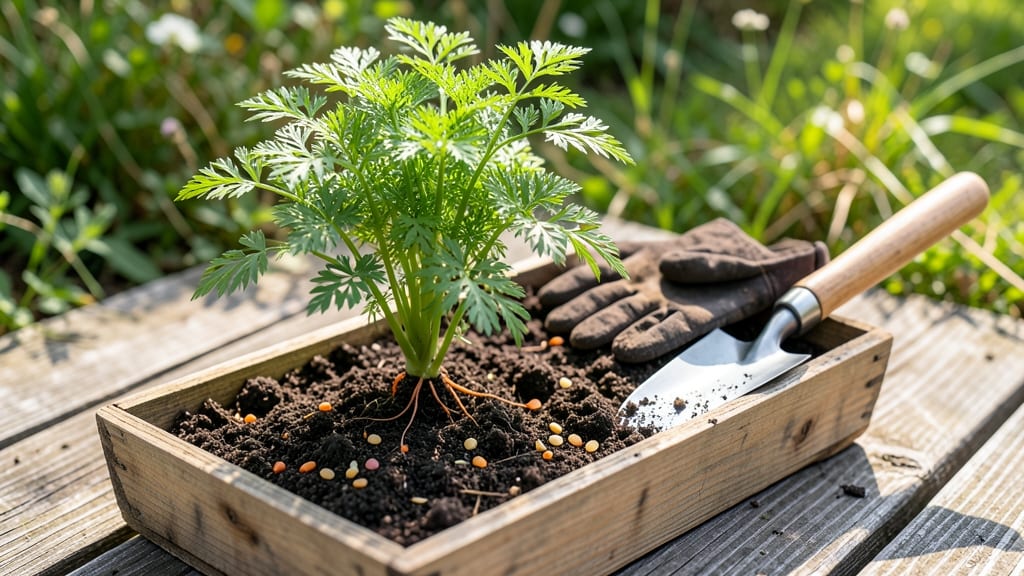
Timing your carrot 🥕 planting in Texas isn't just about months—it's about beating the brutal summer heat that turns tender seedlings into bitter, bolted failures. If you've ever watched your carefully sown seeds wilt under 100°F temperatures, you know the frustration of losing an entire crop before harvest.
Here's the secret: Texas gardeners who master fall planting (August-October) and spring planting (February-March) avoid the worst heat while still getting sweet, crisp roots. But it's not one-size-fits-all—North Texas' cooler winters mean different timing than South Texas' extended growing seasons.
I'll show you exactly when to plant in your specific region, which heat-tolerant varieties actually work, and how to prepare your soil so your carrots grow straight and strong instead of forking into gnarled messes. No more guessing games—just reliable, Texas-proven results.
Whether you're a backyard gardener with raised beds or an urban dweller with containers, these strategies will help you grow perfect carrots from seed to harvest. Let's get those 🥕 growing the right way.
Best planting months for carrots in Texas (by region & heat zones)
Texas gardeners face a unique challenge with carrots—extreme heat and variable frost dates across regions. Unlike northern states, Texas offers two distinct planting windows: fall (August-October) and spring (February-March). But timing depends heavily on your USDA zone and microclimate.
In North Texas (Zones 7b-8a), last frosts can hit mid-January, while South Texas (Zones 9a-10b) rarely sees frost. This means fall planting is critical for most Texans to avoid summer bolting.
For North Texas, aim to plant carrots in late August to early September for a fall harvest before winter sets in.
In Central Texas, stretch planting to September-October to take advantage of cooler temperatures. South Texas gardeners can push planting to October-November, but must use heat-tolerant varieties to prevent early bolting. The key is avoiding soil temperatures above 85°F, which stunts germination and causes seedling death.
Here’s the golden rule: Plant when daytime highs are below 80°F and nighttime lows stay above 50°F. This aligns with Texas A&M’s recommendations for optimal carrot growth.
For spring planting, seed in February (North Texas) or late January (South Texas) to harvest before summer heat arrives. Never plant in May-July—your carrots will bolt or rot in the heat.
| Region | USDA Zone | Best Planting Window | Avoid Planting | Harvest Window |
|---|---|---|---|---|
| North Texas | 7b-8a | Late August–September | May–July | November–January |
| Central Texas | 8a-8b | September–October | June–August | December–February |
| South Texas | 9a-10b | October–November | April–September | January–March |
| Spring Planting | All Regions | February–March | April–June | May–July |
🌱 Pro Tip: Use a soil thermometer—ideal germination temp is 60-70°F.
Soil preparation is just as critical as timing. Texas soil is often clay-heavy or rocky, which causes forked carrots. Amend beds with 2-3 inches of compost and sand (for clay soils) to create loose, rock-free topsoil. Test your soil’s pH—carrots thrive in slightly acidic to neutral soil (6.0-7.0). If your soil is alkaline (common in Texas), add sulfur or peat moss to lower the pH before planting.
For container gardening (great for urban Texans or small spaces), use deep pots (12+ inches) filled with a 50/50 mix of potting soil and compost. Plant 2-3 seeds per pot and thin to the strongest seedling.
Containers dry out faster in Texas heat, so water daily and place in partial shade during peak summer afternoons. This method extends your growing season into early spring or late fall when outdoor temps drop.
Frost dates are your friend in Texas. In North Texas, a light frost in December can signal it’s time to harvest or mulch heavily. In South Texas, frost is rare, but cooler temps (below 60°F) trigger sweeter flavors. Use row covers to protect seedlings from unexpected cold snaps, especially in March or November. These covers also deter carrot rust flies and aphids, common pests in Texas gardens.
Succession planting is a game-changer for Texas gardeners. Instead of one big planting, sow seeds every 2 weeks from August to October. This ensures a continuous harvest and reduces the risk of overwhelming bolting if one batch fails. For example, plant half your seeds in early September and the rest in mid-October. By November, you’ll have a steady supply of fresh carrots for holiday meals.
Heat-tolerant varieties are non-negotiable in Texas. While we’ll dive deeper into varieties in the next section, start with 'Danvers Half Long' or 'Scarlet Nantes'—both handle short heat spells better than standard types. If you’re in South Texas, 'Bolero' or 'Rondo' are top picks for their drought resistance. Always soak seeds overnight before planting to improve germination rates in dry Texas soil.
Watering strategy makes or breaks carrot success in Texas. Deep, infrequent watering (1-2 inches per week) encourages longer roots, while shallow, frequent watering leads to short, stubby carrots. Use drip irrigation or soaker hoses to deliver water directly to the soil, avoiding leaf wetness that invites fungal diseases. In summer, water early in the morning (before 8 AM) to minimize evaporation and prevent bolting from stress.
Finally, shade cloth is your secret weapon for late-summer or early-fall plantings. A **30-5
Best planting months for carrots in Texas (by region & heat zones)
Texas isn't one giant garden—it's three distinct regions with very different frost dates and heat tolerance. North Texas (like Dallas) gets hard freezes by December, while South Texas (Houston/Austin) stays mild until January. That means your fall planting window shifts 6 weeks later as you move south.
For North Texas (Zones 7b-8a), aim for August 15-September 15 for fall carrots—the soil stays warm enough for germination but cools before summer's return. In Central Texas (Zones 8a-8b), stretch that to August 1-September 30 to capture the longer growing season.
South Texas (Zones 9a-10b) gardeners have the luxury of two planting windows: July 15-August 31 for fall and February 1-March 15 for spring. But watch out—even South Texas hits 95°F+ in September, so avoid planting after September 15 unless you use shade cloth.
🌱 Texas Carrot Planting Timeline by Region
| Region | Fall Planting Window | Spring Planting Window | Key Consideration |
|---|---|---|---|
| North Texas (Dallas/Fort Worth) | August 15 - September 15 | February 15 - March 15 | First frost: December 1 |
| Central Texas (Austin/San Antonio) | August 1 - September 30 | February 1 - March 30 | First frost: November 15 |
| South Texas (Houston/Corpus Christi) | July 15 - August 31 | February 1 - March 15 | No frost risk after December 1 |
Pro tip: Use soil thermometers—carrot seeds need 50-85°F soil to germinate. If your soil hits 90°F+, wait until evening to plant and keep seeds consistently moist with shade cloth until sprouts appear.
For container gardening in urban areas, stick to 5-gallon pots and plant July 1-August 15 (fall) or February 15-March 10 (spring). Containers heat up faster, so mulch with straw to retain moisture and prevent bolting.
Remember: Texas summers are carrot killers. If you plant in May or June, your seeds will either rot from heat or bolt before you get roots. Save those months for heat-tolerant greens like Swiss chard instead.