
Plants
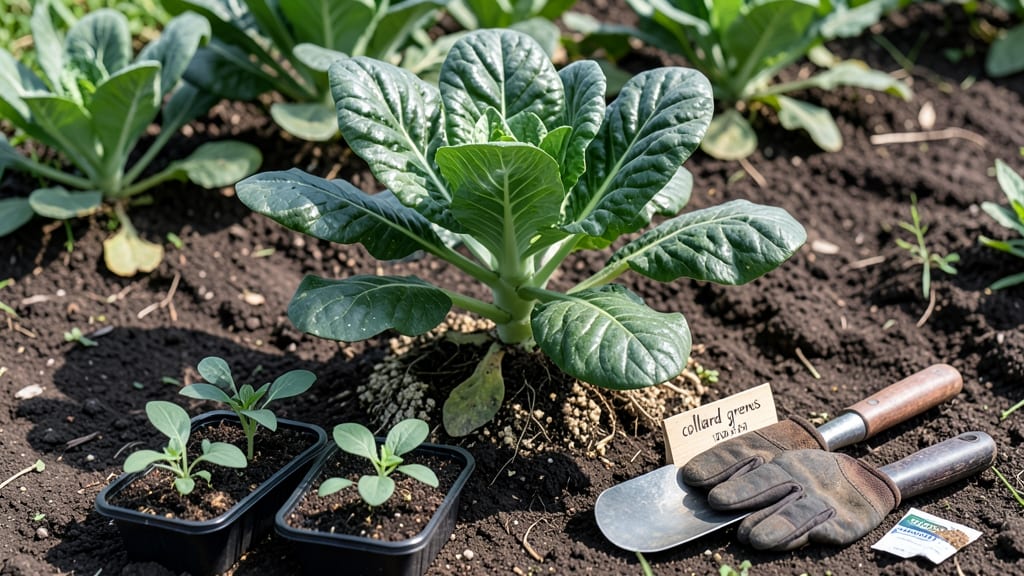
If you're wondering when to plant collards in Alabama, timing is the secret to avoiding bitter, bolted greens that ruin your harvest. Alabama's mild winters and long summers create a unique window where these heat-tolerant 🥬 varieties can thrive - but only if planted correctly.
The key is planting in two distinct windows: late winter through early spring (February-March) for an early harvest, and again in late summer (August-September) for a fall crop. These timing strategies help you beat Alabama's heat stress while maximizing your garden's potential.
What makes Alabama's climate special is its ability to grow collards year-round in certain microclimates. While most gardeners focus on spring plantings, the fall window offers a second chance for a hearty harvest before winter sets in.
Let me show you exactly how to time your plantings for zero bolting risk, which varieties perform best in Alabama's zones 7b-8b, and how to extend your harvest season with simple but effective techniques.
Best planting months for collards in Alabama: avoiding heat stress and bolting
Alabama’s USDA Zones 7b-8b create a unique challenge for growing collards—the heat can cause them to bolt prematurely if planted too early. The key is timing your plantings to align with soil temperatures and regional microclimates, whether you're in coastal Mobile or inland Birmingham.
Let’s break down the exact windows to avoid bitter leaves and maximize your harvest.
For spring plantings, aim for late February to early March in most of Alabama. This gives your collards time to establish roots before the last frost date, which typically falls around mid-March.
Coastal areas like Mobile may have slightly earlier frost dates, so start 2-3 weeks earlier if you’re near the Gulf. Inland areas like Huntsville should wait until early March to avoid frost damage.
Your fall harvest hinges on planting late summer to early fall, specifically between August 15 and September 15. This timing ensures your collards mature before the first frost, usually around mid-November.
If you plant too late, your greens won’t have enough time to grow large and tender before cold sets in.
Here’s the golden rule for Alabama gardeners: Soil temperature matters more than calendar dates. Collards thrive when soil temps are between 50°F and 85°F. Use a soil thermometer to confirm—if it’s below 50°F, wait a few weeks.
If it’s above 85°F, your plants may bolt or develop bitter flavors.
🌱 Pro Tip: If you’re in a warmer microclimate (like the Black Belt region), you can push spring plantings to early April and fall plantings to early October. Always check your local Alabama Cooperative Extension frost dates for precision.
🌱 Alabama Collard Planting Timeline
| Planting Window | Soil Temp Range | Best For | Harvest Time |
|---|---|---|---|
| Late February - Early March | 50°F - 65°F | Spring harvest | April - May |
| August 15 - September 15 | 65°F - 80°F | Fall harvest | October - November |
| Early April (warmer zones) | 55°F - 70°F | Late spring harvest | May - June |
💡 Note: Adjust for coastal (earlier) vs. inland (later) frost dates.
If you’re planting seeds directly, sow them ½ inch deep and space them 12-18 inches apart. For transplants, set them out when they’re 4-6 weeks old and 4-6 inches tall.
This gives them a head start in Alabama’s competitive garden beds. Always harden off seedlings for 7-10 days before transplanting to avoid shock.
For coastal Alabama, like Baldwin or Mobile counties, you can even try a winter crop if you use row covers or cold frames. Plant in late September for a harvest in winter and early spring.
The Gulf’s moderating influence keeps temps milder, but protect your plants from freezing temps below 20°F.
One common mistake Alabama gardeners make is planting collards too early in spring and ending up with bolted or bitter greens. To avoid this, monitor your plants closely—if they start flowering or developing seed pods, they’ve bolted.
This usually happens when days get too long or hot, so shade cloth can help in peak summer.
🌿 Key Takeaway: Stick to the late winter/early spring and late summer/early fall windows, and your collards will reward you with tender, flavorful leaves all season long. Alabama’s climate is forgiving if you respect its rhythms!
Best planting months for collards in Alabama: avoiding heat stress and bolting
Alabama’s USDA zones 7b-8b create a unique challenge for collard growers—hot summers can trigger bolting (premature flowering) if planted too early. The key is timing: late winter/early spring and late summer/early fall windows work best to avoid heat stress while maximizing harvests.
For spring plantings, aim for February to early March—just as soil temperatures rise above 50°F (10°C). This gives seedlings time to establish before Alabama’s average last frost (mid-March) and summer heat arrives. Coastal areas (like Mobile) can plant 2-3 weeks earlier than inland regions (e.g., Birmingham).
Fall plantings are even more critical in Alabama. Start seeds or transplants in late August to early September to ensure mature plants (ready in 50-60 days) can withstand first frosts (mid-November) without bolting. A 60-day maturity window before frost is ideal for a full harvest.
| Planting Window | Soil Temp | Frost Risk | Maturity Goal |
|---|---|---|---|
| Late Feb - Early Mar | 50°F+ (10°C+) | Low (post-frost) | Harvest by May |
| Late Aug - Early Sep | 60°F+ (15°C+) | Moderate (pre-frost) | Harvest by Nov |
| Early Oct (succession) | 55°F+ (13°C+) | High (winter) | Cold-hardy harvests |
Alabama’s microclimates play a huge role. Coastal areas (e.g., Gulf Shores) have warmer winters and can plant collards as early as January for spring harvests, while inland zones (e.g., Huntsville) should wait until March 1st to avoid frost damage. Use a soil thermometer to confirm 50°F+ (10°C+) before planting.
Pro tip: Direct sow seeds ¼-inch deep in well-draining soil with 6+ hours of sun. For faster results, use transplants after your last frost date. Mulch with straw or leaves to retain moisture and regulate soil temps—critical during Alabama’s humid summers.
Miss the ideal window? Don’t panic. Succession plant every 2-3 weeks in late summer for a staggered fall harvest. Just ensure your final planting matures before first frost (mid-November) to avoid wasted effort. With the right timing, you’ll enjoy sweet, tender collards from spring through winter! 🥬