
Plants
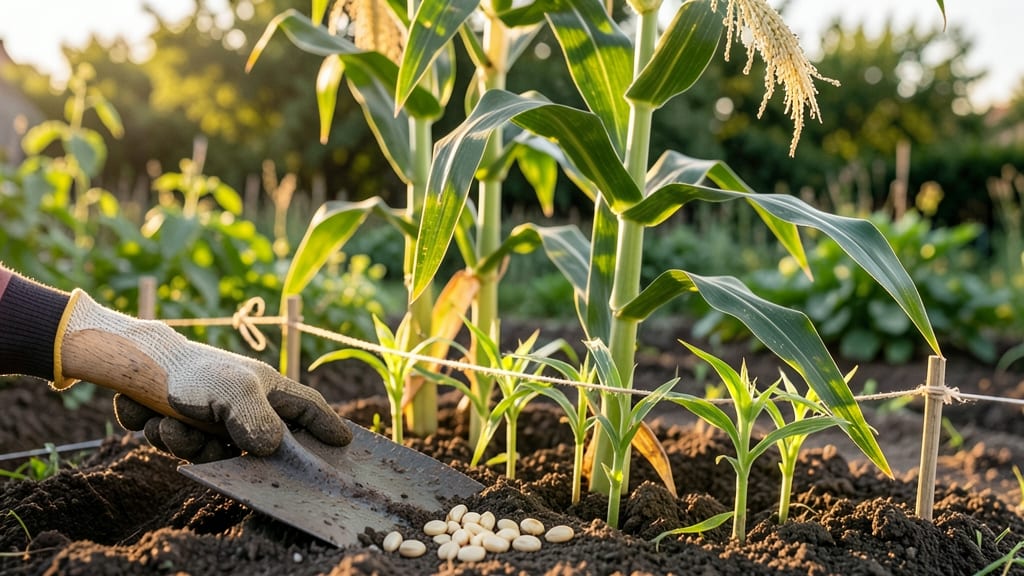
Timing your 🌽 corn planting in Indiana can make or break your harvest—get it wrong, and you might end up with stunted plants or wasted seeds.
The ideal window isn’t just about avoiding frost; it’s about syncing with soil warmth and your corn’s growth cycle to maximize those sweet, plump kernels.
Here’s the thing: Indiana’s USDA Zone 6a climate means you’ve got just a few weeks between when the ground thaws and when summer heat kicks in. Plant too early, and a late frost could wipe out your seedlings.
Too late, and your corn might not mature before the first frost in October. The sweet spot? Mid-April to early May, when soil temperatures hit at least 60°F—but there’s more to it than just dates.
What if you’re in northern Indiana versus southern Indiana? The answer isn’t one-size-fits-all. Regional differences in frost dates and microclimates mean your neighbor’s perfect timing might not work for you.
I’ll break down the exact weeks you should aim for, plus pro tips to stretch your growing season and avoid common pitfalls.
Ready to turn your garden into a cornucopia? Let’s dive into the science—and the secrets—behind planting 🌽 corn for a bumper crop in Indiana. You’ll learn how to read your soil, pick the right variety, and even extend your harvest with smart techniques.
Indiana’s last frost dates and ideal corn planting weeks
Indiana’s last frost dates set the stage for your corn planting schedule, but the real magic happens in the 2–3 weeks before that final freeze.
For most of the state, this lands between April 15 and May 15, though northern Indiana (like LaPorte) often waits until May 1 to play it safe. Southern Indiana (e.g., Evansville) can start as early as mid-April thanks to warmer microclimates.
Corn seeds need soil temperatures of 50°F+ to germinate, but they thrive best at 60°F+. Waiting for warmer soil prevents cold-induced rot and ensures faster growth. Use a soil thermometer to confirm—this simple tool can save you from wasted seeds and stunted plants.
My rule of thumb? Plant when the daytime highs consistently hit 65°F, which usually aligns with Indiana’s average last frost window.
Timing isn’t just about frost—it’s also about maturity zones. Indiana spans USDA Zones 5b to 6b, meaning northern gardens have shorter growing seasons (about 160 frost-free days) than southern ones (180+ days).
If you’re in Zone 5b, opt for early-maturing varieties (85–95 days) to avoid fall frosts cutting your harvest short.
Here’s the golden rule: Plant sweet corn 1–2 weeks after your last frost date, but no later than early June for most varieties. Late plantings risk earworm infestations and smaller ears.
For example, if your last frost is April 25, aim for May 10–15 to give your corn enough time to mature before Indiana’s first fall frost (mid-October).
Regional variations matter! Northern Indiana’s cooler soils may delay planting until late April or early May, while southern Indiana’s warmer microclimates allow mid-April starts. Check Purdue Extension’s frost date maps for your county—this free resource is a game-changer for precision planting.
| Region | Avg Last Frost | Ideal Planting Window | Soil Temp Goal | Variety Tip |
|---|---|---|---|---|
| Northern IN (Zone 5b) | May 1 | May 10–20 | 60°F+ | 85–95 day varieties |
| Central IN (Zone 6a) | April 25 | May 5–15 | 55°F+ | 90–100 day varieties |
| Southern IN (Zone 6b) | April 15 | April 25–May 5 | 50°F+ | 100–110 day varieties |
🌽 Pro Tip: Use black plastic mulch to warm soil faster in cooler regions.
Don’t let Indiana’s unpredictable spring weather throw you off. If you plant too early and face a late frost, your corn may survive but grow unevenly. Conversely, planting too late risks smaller ears and earworm damage.
My solution? Start seeds indoors 2–3 weeks before your target outdoor date to have seedlings ready for transplanting at the perfect time.
For succession planting, stagger your corn in 2-week intervals to extend your harvest. For example, if your first planting goes in on May 10, follow up with another on May 24 and a final batch on June 7.
This ensures fresh ears from late July through September, beating the rush of grocery store corn.
Remember, corn is a heavy feeder, so prepare your soil now. Work in compost or aged manure 4–6 weeks before planting to give your corn the nutrients it craves. And if your soil drains poorly? Raise beds to prevent root rot—a common issue in Indiana’s clay-heavy soils. 🌱
How soil temperature and corn variety affect planting time in Indiana
Soil temperature isn’t just a number—it’s the deciding factor between a thriving 🌽 corn crop and a failed planting. Corn seeds need soil that’s at least 50°F to germinate, but for consistent growth, aim for 60°F or warmer.
In Indiana, this typically aligns with mid-April to early May, but cooler springs can push that window later.
Why does this matter? Cold soil slows germination, leaving seedlings vulnerable to late frosts or fungal diseases. Use a soil thermometer to check—if temps dip below 50°F, wait it out. Patience here prevents weeks of wasted effort.
Now, let’s talk corn varieties. Indiana’s climate suits both early-maturing (85–95 days) and late-maturing (110+ days) types, but your choice shifts your planting deadline. Early varieties like ‘Early Sunglow’ can handle cooler soils and earlier plantings, while ‘Silver Queen’ (a late variety) needs warmer soil and a later start.
Here’s the catch: Northern Indiana’s shorter growing season favors early varieties, while Southern Indiana’s longer frost-free period lets you plant later and choose longer-season corn. Match your variety to your last frost date—a 110-day corn planted in early May in northern Indiana might not mature before frost.
| Variety Type | Days to Maturity | Ideal Planting Window | Soil Temp Requirement | Best For |
|---|---|---|---|---|
| Early (Sweet) | 85–95 days | Late April–early May | 50–55°F | Northern Indiana |
| Mid-Season | 95–105 days | Early May | 55–60°F | Central Indiana |
| Late (Field) | 110+ days | Late April–mid-May | 60°F+ | Southern Indiana |
Cold-tolerant varieties like ‘Bodacious’ or ‘Peaches and Cream’ are my top picks for Indiana gardens—they germinate faster in cool soils and resist frost damage. Meanwhile, heat-loving varieties like ‘Ambrosia’ need warmer soil and a later planting date to avoid stunted growth.
Pro tip: If you’re in doubt, opt for a hybrid variety labeled for Indiana’s climate. These are bred to handle our variable springs and still deliver sweet, plump ears. Pair your choice with a soil warming trick, like black plastic mulch, to nudge temps up faster.
Remember, soil temperature > air temperature. A sunny 70°F day might fool you, but if the soil is still chilly, your seeds will sit and rot. Test it—your future harvest depends on it. 🌱