
Plants
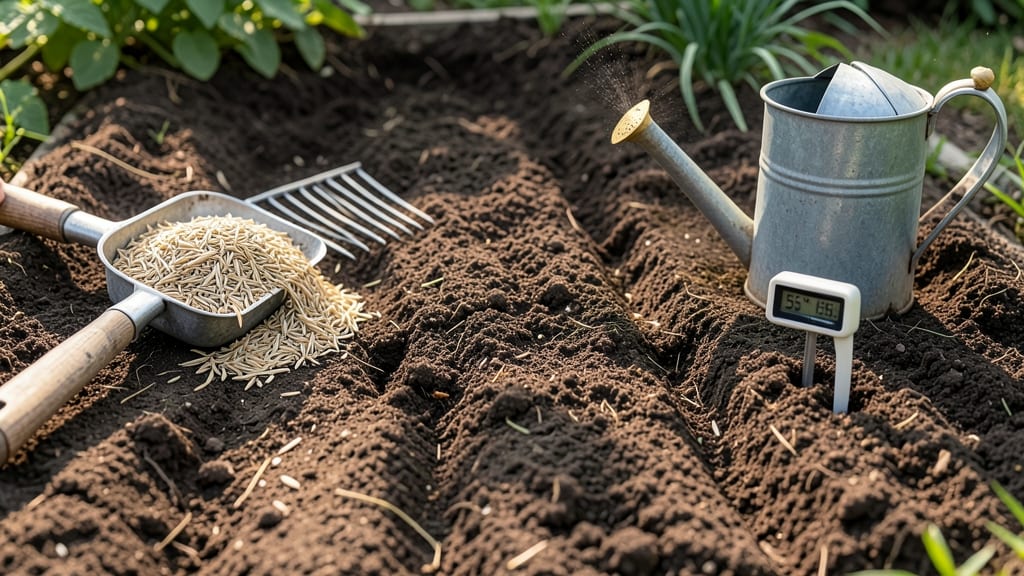
Planting grass seed at the wrong time in spring can turn your green dreams into a patchy, frustrating mess—but getting the timing right unlocks a thick, vibrant lawn. The key isn’t just waiting for spring; it’s understanding when your soil is truly ready for 🌱 grass (lawn) seeds to thrive.
In USDA Zone 6a, like many regions, the ideal window stretches from early to late spring—but rushing too soon after frost or delaying until summer heat arrives can sabotage your efforts.
I’ll break down the exact soil temperature triggers and regional adjustments you need to know before grabbing that seed bag.
Common mistakes like planting when the ground is still cold or ignoring last-frost dates waste time and money. You’ll learn how to test soil readiness, adjust for early vs. late springs, and avoid the three biggest pitfalls that turn hopeful gardeners into frustrated DIYers.
Whether you’re seeding a new lawn or repairing bare spots, these insights will help you time your planting for strong germination—so you can enjoy that lush carpet of green all season long.
Optimal soil temperature ranges for planting grass seed in spring
Getting your grass seed planting timing right in spring depends almost entirely on one factor: soil temperature. Unlike air temperature, which can swing wildly, soil temperature provides the most reliable signal for when your seeds will germinate successfully.
For most cool-season grasses like Kentucky bluegrass or fescue, the magic number is 50-60°F. Warm-season grasses, such as Bermuda or Zoysia, need 65-75°F to sprout consistently.
I’ve learned the hard way that planting too early—when soil is still chilly—can leave your seeds sitting dormant for weeks, only to rot when warmer weather arrives. Conversely, waiting too long risks summer heat and drought stress before your lawn establishes.
The key is balancing soil warmth with moisture availability, which is why spring is the sweet spot for most regions.
To test your soil temperature accurately, use a soil thermometer (available for under $10) and check it 2-3 inches deep in the morning. This depth mimics where seeds will be planted and gives you the most reliable reading.
If your soil is below the ideal range, wait—even if the air feels warm. Patience here saves you from wasted seed and frustration.
| Grass Type | Ideal Soil Temp (°F) | Best Planting Window | Regional Notes |
|---|---|---|---|
| Cool-Season Grasses | 50–60°F | Early spring (4–6 weeks after last frost) | Northern US/Canada: March–April; Southern US: February–March |
| Warm-Season Grasses | 65–75°F | Late spring (after soil warms) | Southern US: April–May; Northern US: May–June |
| Transition Zone Grasses | 55–65°F | Early to mid-spring (flexible) | USDA Zones 6–7: April; Zones 8–9: March–April |
🌱 Pro Tip: Use a soil thermometer to avoid guesswork—it’s the only way to know for sure!
Regional variations play a huge role in timing. In USDA Zones 3–5, where winters are harsh, aim to plant cool-season grasses as soon as soil reaches 50°F, typically in late March or April.
Meanwhile, in Zones 7–10, warm-season grasses thrive when soil hits 65°F, often May or June. My neighbor in Zone 8 once planted Bermuda grass in April—only for it to wilt in a late frost. Lesson learned: Know your zone!
Another critical factor is consistent moisture after planting. Grass seeds need 1–1.5 inches of water per week during germination, but soil that’s too cold can’t retain moisture well. If your region experiences unpredictable spring rains, consider using a seed starter fertilizer to boost early root growth.
I’ve seen seeds germinate in 5–7 days with the right conditions, but it can take 2–3 weeks in cooler or drier soil.
Don’t overlook the role of organic matter in your soil. Amending with compost or peat moss before planting helps regulate soil temperature and moisture. In my own yard, I mix in 2–3 inches of compost a week before seeding to give the soil a head start.
This small step can mean the difference between slow, patchy growth and a uniform, lush lawn.
If you’re unsure about your soil’s readiness, err on the side of waiting a few weeks. I once rushed planting in early March in Zone 6, only for a late frost to kill off the tender sprouts.
Since then, I’ve made it a rule to wait until soil stays above 55°F for at least 5 days before seeding. Patience pays off—trust me!
For those in transition zones (6–7), where both cool- and warm-season grasses grow, timing is even trickier. I recommend planting cool-season grasses in early spring and warm-season grasses in late spring/early summer.
Overlapping the two can lead to competition for resources and weaker establishment. Stick to one type per season for best results.
Finally, keep an eye on the weather forecast in the weeks leading up to planting. If rain is predicted within 24–48 hours of seeding, hold off until after the storm.
Heavy rain can wash away seeds or bury them too deep for germination. A light misting is ideal—just enough to keep the soil moist without creating puddles.
Step-by-step guide: when to plant grass seed based on your climate Zone
Planting grass seed in spring depends heavily on your USDA hardiness zone and local climate patterns. In northern regions (Zones 3-6), aim for late April to early June when soil warms to 55-65°F. Southern zones (7-10) can plant earlier (February-March) since warm-season grasses thrive in 75-85°F soil.
For cool-season grasses (like Kentucky bluegrass or fescue), wait until 4-6 weeks after the last frost—typically mid-April to May in most areas. Warm-season varieties (Bermuda, Zoysia) should go in late spring (May-June) when nights stay above 60°F.
🌱 Pro Tip: Check your local frost dates and soil temps via NOAA or university extension services—they provide hyper-local planting windows.
- 1 Zones 3-6 (Cool Season): Plant late April-May when soil hits 55°F+ for 7+ days.
- 2 Zones 7-9 (Transition): Split planting—cool-season in March, warm-season in June.
- 3 Zones 10+ (Warm Season): Plant February-March for Bermuda/Zoysia when soil is 70°F+.
- 4 Early vs. Late Springs: Adjust 2-3 weeks earlier if mild winters; delay 1-2 weeks after late frosts.
In northern climates, early planting risks frost damage—wait until nighttime temps stay above 40°F. Southern areas should avoid summer planting due to heat stress; opt for late spring instead.
🌿 Regional Hack: Use a soil thermometer ($10 at garden centers) to confirm readiness. 60°F for 5+ days signals it’s time for cool-season grasses.
For overseeding existing lawns, plant 4-6 weeks before first frost (typically August-September in most zones). This gives grass time to establish roots before winter.