
How To
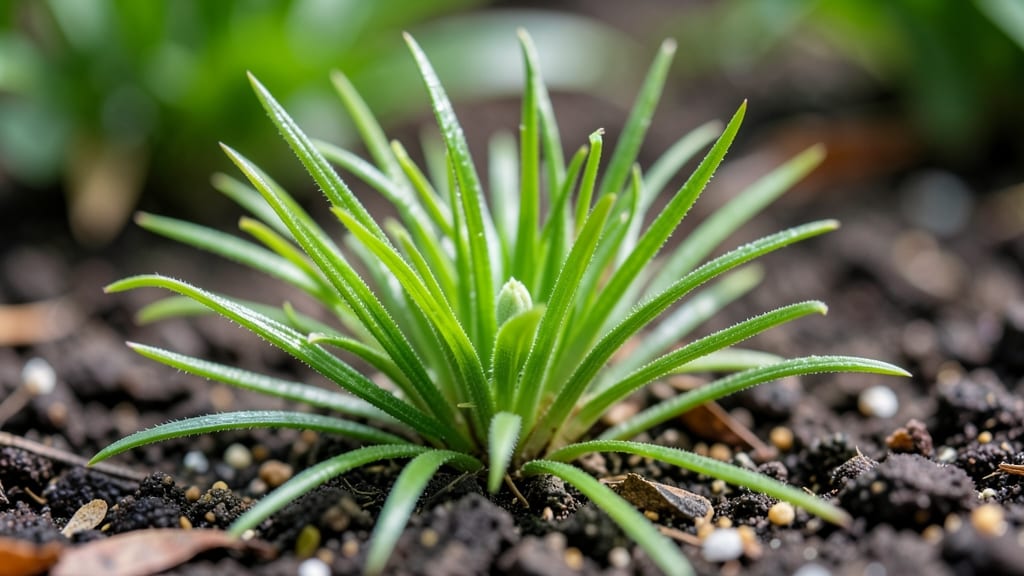
Planting Centipede Grass seed at the wrong time in Florida can turn your dreamy green lawn into a patchy, weed-prone disaster.
This isn't just about picking a month—it's about catching the perfect soil temperature window that triggers fast germination, and missing it means weeks of frustration waiting for those first blades to peek through.
If you're staring at your yard wondering why your grass isn't taking off, you're not alone. Florida's climate is tricky—too early, and your seed rots; too late, and weeds steal the show.
The key is planting when the soil hits that 65-75°F sweet spot, which varies by region from North to South Florida. I'll break down exactly when to plant for your specific zone and how to prep your soil like a pro.
You'll also discover how to extend your planting window with simple tricks, avoid common mistakes that kill germination, and keep your new 🌱 Centipede Grass thriving in Florida's humid heat. Let's get your lawn growing fast and frustration-free—starting with the right timing.
Ready to transform your bare spots into lush, low-maintenance turf? The clock is ticking—literally—and I've got the exact schedule you need to plant with confidence. Let's dive in and make your lawn the envy of the neighborhood.
Optimal soil temperature ranges for planting centipede grass seed in Florida
Centipede grass thrives in Florida’s warm climate, but its germination success hinges on soil temperatures between 65°F and 75°F. This ideal range ensures seeds sprout within 7-21 days, while cooler or hotter soils delay growth or cause seed rot.
Understanding these temperature triggers helps you avoid common mistakes like planting too early in North Florida or too late in South Florida.
In North Florida (Zones 8a-8b), soil warms to 65°F by late April, making this the earliest safe window. Meanwhile, South Florida (Zones 10a-11) can start as early as mid-February when temperatures consistently hit 70°F. Central Florida falls between these extremes, typically ready by early April.
To test your soil temperature, use a soil thermometer buried 2 inches deep in shaded soil. Check readings in the early morning for accuracy. If temperatures dip below 60°F, delay planting—centipede grass seeds may not germinate at all.
Conversely, soils above 80°F can cause seeds to dry out before sprouting.
Microclimates play a crucial role in Florida’s diverse regions. For example, coastal areas warm faster than inland spots due to humidity and ocean breezes. If your yard sits in a shady microclimate, soil may stay cooler, requiring you to wait 1-2 weeks longer than neighbors in full sun.
Here’s how to adjust your planting schedule based on soil conditions:
- Below 65°F: Wait—seeds won’t germinate.
- 65°F–75°F: Plant immediately for fastest results.
- Above 75°F: Use shade cloth to protect seeds until temps drop.
🌱 Centipede Grass Soil Temperature Guide
| Region | Ideal Planting Window | Soil Temp Range (°F) | Germination Time |
|---|---|---|---|
| North Florida | Late April–May | 65–70°F | 14–21 days |
| Central Florida | Early April–May | 68–73°F | 10–18 days |
| South Florida | Mid-February–March | 70–75°F | 7–14 days |
If you’re planting in late summer or fall, aim for soil temps below 80°F to prevent seed stress. Use a light mulch layer (like straw) to insulate seeds and retain moisture during Florida’s hot afternoons. This simple step can double your germination rate in high-heat zones.
Pro tip: Monitor weekly weather forecasts for heatwaves. If a 3-day stretch above 85°F is predicted, delay planting until temps stabilize. Centipede grass seeds are heat-sensitive, and exposure can reduce viability by up to 50%.
For container gardening, use heated seed trays to maintain 70°F soil temps if your microclimate runs cool. This is especially useful in higher-elevation areas like the Panhandle, where nights remain chilly into May.
Remember, consistent moisture is just as critical as temperature. Water seeds daily until germination occurs, keeping the soil evenly damp but never soggy. Overwatering in high-heat conditions can suffocate seeds before they sprout.
Best months to plant centipede grass seed by Florida region (with germination timelines)
Florida's climate varies dramatically from the cool coastal breezes of North Florida to the warm, humid air of South Florida, and planting your Centipede Grass seed at the wrong time can spell disaster.
The key to success is aligning your planting schedule with your specific Florida region, where soil temperatures and rainfall patterns create ideal—or disastrous—conditions for germination.
In North Florida (USDA Zones 8a-8b), where winters can dip into the 40s°F, your planting window is tight: aim for mid-April to early May when soil temperatures consistently reach 68-72°F.
This timing avoids the late-winter cold snaps that can stunt seed growth, while still giving your grass a head start before summer's intense heat.
For Central Florida (Zones 9a-9b), the sweet spot shifts slightly earlier—late March to early April—when daytime highs hover around 75°F and morning dew provides natural moisture. This region's mild winters allow for a longer window, but planting too early risks fungal diseases from lingering dampness.
- South Florida (Zones 10a-11): February-March (Soil temps: 70-75°F; Germination: 7-10 days)
- Central Florida (Zones 9a-9b): Late March-April (Soil temps: 68-72°F; Germination: 10-14 days)
- North Florida (Zones 8a-8b): Mid-April-May (Soil temps: 65-70°F; Germination: 14-21 days)
- Late Planting (August-Sept): Risky but possible with shade cloth; germination slows to 21+ days
- Critical Window: Plant when soil stays above 65°F for 5+ days—test with a soil thermometer at 4" depth
If you miss the primary window, don't despair—August to early September offers a secondary chance, but success hinges on shade cloth to protect seedlings from intense afternoon sun and mulch to retain moisture.
Just be warned: germination can stretch to 21+ days in these conditions, and weeds will compete aggressively.
Pro tip: Use a soil thermometer to confirm readiness—planting when soil hits 65°F for 5+ consecutive days guarantees faster germination.
In South Florida, where winters are nearly frost-free, you can even plant as early as late January if soil temps cooperate, but this is risky due to fungal threats from prolonged moisture.
Remember, Centipede Grass thrives in Florida's heat once established, but getting it off to the right start means choosing the right month—and sometimes, the right week—for your specific corner of the state.
Don't let weeds or slow germination steal your lawn's potential; time it right, and you'll be mowing lush, green turf in just 3-4 weeks! 🌱