
Lawn
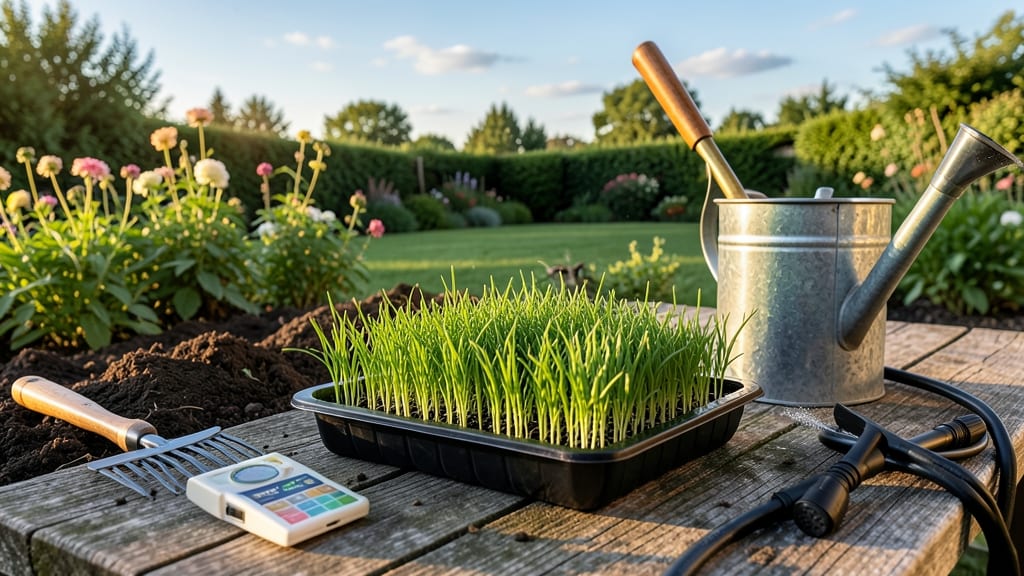
Planting grass seed at the wrong time in Virginia can mean the difference between a lush, green lawn and months of patchy brown spots—so timing is everything. With Virginia’s 6a-8a climate zones, getting the window right ensures your 🌱 turfgrass thrives from the start.
You’ve probably heard "spring or fall," but the exact timing matters—especially in Virginia’s varied microclimates. Too early, and frost will kill your seedlings. Too late, and summer heat will dry them out before they take root.
In this guide, I’ll break down Virginia’s ideal planting windows, soil temperature secrets, and how to prepare your yard for fast germination. Whether you’re seeding in Northern Virginia’s cooler zones or Southern Virginia’s warmer stretches, you’ll know exactly when to act.
Let’s dive into the most important steps to turn your patchy lawn into a vibrant carpet of green—without the guesswork.
Virginia’s best grass seed planting windows: spring vs. fall deadlines by region
Timing your grass seed planting in Virginia isn’t one-size-fits-all—it depends on your region’s climate, soil temperatures, and rainfall patterns.
The Old Dominion spans USDA zones 6a–8a, meaning Northern Virginia’s cooler springs contrast sharply with Southern Virginia’s earlier warm-ups. Fall planting often outperforms spring in Virginia because cooler temps and natural rainfall create ideal germination conditions.
For most of Virginia, the sweet spot is late August to mid-September for fall planting, while spring plantings should start after the last frost date (typically mid-April to May). But let’s break it down by region to avoid costly mistakes.
| Region | Optimal Spring Planting Window | Optimal Fall Planting Window | Soil Temp Requirement | Rainfall Needs | Grass Types Best Suited |
|---|---|---|---|---|---|
| Northern VA (6a-7a) | Mid-April to May | Late August to mid-September | 50–60°F | 1–1.5 inches/week | Tall fescue, Kentucky bluegrass |
| Central VA (7a-7b) | Early April to late April | Early September to early October | 55–65°F | 1–2 inches/week | Fine fescue, Bermuda (summer) |
| Southern VA (7b-8a) | Early March to April | Late August to September | 60–70°F | 1.5–2.5 inches/week | Centipede, Zoysia, St. Augustine |
| Coastal Plain | February–March | August–early September | 65–75°F | 2+ inches/week (drought-prone) | Bermuda, Bahiagrass |
Adjust for Piedmont’s cooler microclimates vs. Coastal Plain’s humidity
Notice how Southern Virginia can plant earlier in spring and later in fall due to warmer soil temperatures? This is why soil thermometers are my go-to tool—plant when soil hits 50–65°F for cool-season grasses or 70°F+ for warm-season types like Bermuda.
Virginia’s natural rainfall peaks in September and October, making fall the most reliable time for germination. However, if you’re in drought-prone areas like the Coastal Plain, supplement with drip irrigation to maintain 1–1.5 inches of moisture weekly.
Pro tip: Use a rain gauge to track precipitation—many Virginia gardeners overestimate rainfall!
For shaded lawns (common in Virginia’s dense forests), aim for fine fescue mixes in fall, as they germinate slower but thrive in low light. Full-sun lawns? Tall fescue or zoysia will outperform in Virginia’s hot summers if planted in early spring or late summer.
One critical deadline to remember: plant at least 6 weeks before the first frost (typically mid-November in Northern VA). Seedlings need time to establish 3–4 inch roots before winter dormancy. Use this frost-free calculator to pinpoint your local cutoff.
Let’s say you’re in Central Virginia and want to plant in spring. Start early April when soil warms to 55°F, but avoid June plantings—Virginia’s summer heat and drought stress will kill seedlings before they sprout. Fall plantings?
Stick to September for the best balance of cool temps and moisture.
Regardless of your Virginia region, always test your soil pH (aim for 6.0–7.0) and aerate compacted clay soil—a common issue in Virginia’s heavy soils. Skipping this step can halve germination rates. For sandy soils (common in Coastal Virginia), mix in compost to retain moisture.
Virginia’s best grass seed planting windows: spring vs. fall deadlines by region
Virginia’s diverse climate—from the cooler Piedmont to the warmer Coastal Plain—means your grass seed planting window depends heavily on where you live.
In Northern Virginia (USDA Zones 6a-7a), you’ll want to time your planting to avoid late frosts, while Southern Virginia (Zones 7b-8a) offers a longer spring window but demands early fall action to beat summer heat.
For the fastest germination, aim for when soil temperatures hover between 50°F and 65°F. This sweet spot ensures seeds sprout quickly without drying out or freezing. In Virginia, that typically means early spring (March-April) or early fall (August-September), but regional microclimates shift those deadlines by weeks.
Here’s how to align your planting with Virginia’s ideal conditions—plus the best grass types for each region to maximize your success.
| Region | Optimal Spring Planting Window | Optimal Fall Planting Window | Soil Temp Requirement | Rainfall Needs | Grass Types Best Suited |
|---|---|---|---|---|---|
| Northern VA (Zones 6a-7a) | Mid-April to early May | Late August to mid-September | 50°F–60°F | 1–1.5 inches/week | Tall fescue, Kentucky bluegrass |
| Central VA (Zones 7a-7b) | Early March to April | Early August to September | 55°F–65°F | 1–2 inches/week | Fine fescue, Bermuda |
| Southern VA (Zones 7b-8a) | Early March to late April | Late July to early September | 60°F–65°F | 1.5–2.5 inches/week | Centipede, Zoysia |
*Adjust for Piedmont vs. Coastal Plain microclimates—check local frost dates!
Notice how Southern Virginia’s spring window starts earlier? That’s because the Coastal Plain warms faster than the Piedmont. Conversely, fall planting in Northern Virginia must happen 6 weeks before the first frost (usually mid-November) to give seedlings time to establish roots.
Pro tip: Use a soil thermometer to confirm temperatures before planting—especially if you’re in a transitional zone. If your soil is below 50°F, wait a week or two. If it’s above 70°F, you’re risking drought stress.
Now that you’ve got your planting window locked in, let’s tackle the 5 critical factors that determine whether your grass seed succeeds—or fails—in Virginia’s unique climate.