
Plants
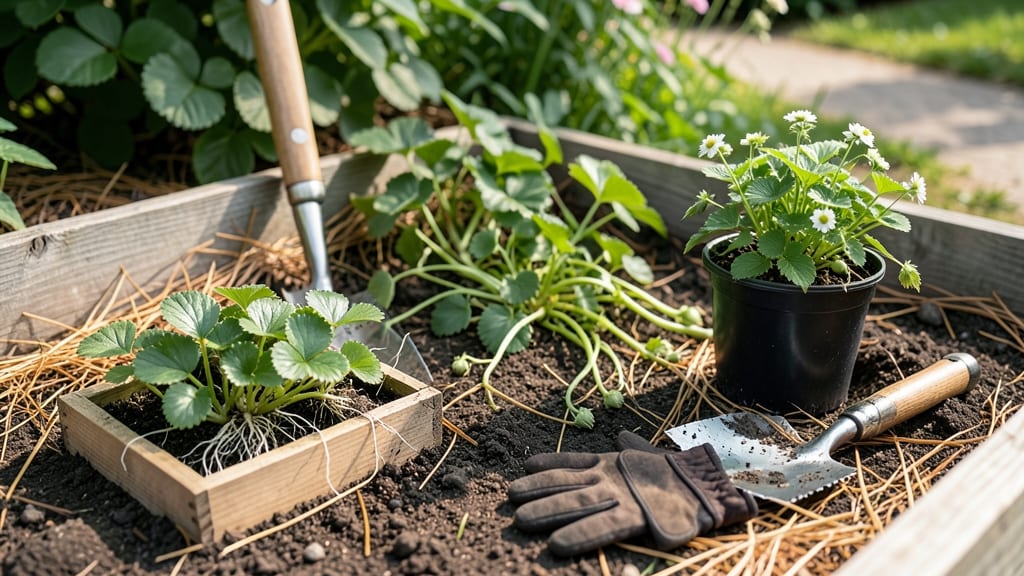
Planting strawberries in Tennessee at the wrong time can mean the difference between a juicy, homegrown harvest and wasted effort. With USDA zones 6a-7b bringing mild winters and hot summers, timing is everything—but most gardeners still get it wrong.
You’ve probably heard the general advice about spring planting, but Tennessee’s unique climate demands a more precise approach. Whether you’re a first-time gardener or a seasoned pro, knowing the exact months to plant 🍓 strawberries in your zone can save you from frost damage, bolting, or even poor yields.
In this guide, I’ll break down the best planting windows for both spring and fall, including soil prep tips and variety recommendations tailored to Tennessee’s heat and humidity. Skip the guesswork and learn how to set your strawberries up for success from day one.
Ready to grow strawberries that thrive? Let’s get started with the perfect planting schedule for your Tennessee garden.
Tennessee strawberry planting months by hardiness zone (exact dates for zero-bolt success)
Timing your strawberry planting in Tennessee is critical—get it wrong, and you’ll face either frost damage or premature bolting (when plants flower too early). Most of Tennessee falls in USDA zones 6a-7b, with last frost dates ranging from late February to mid-March and first frost arriving in mid-November.
These windows create two ideal planting periods: early spring and early fall.
For spring planting, aim for 4-6 weeks before your last frost date—typically mid-March to early April in most regions.
This gives roots time to establish before soil warms. Fall planting should occur 6-8 weeks before first frost, or late September to early October, allowing plants to root before winter dormancy. Both timing strategies maximize yield and minimize stress.
Soil temperature is just as important as calendar dates. Strawberries thrive when soil reaches 40°F (4°C)—use a soil thermometer to confirm readiness. In Tennessee’s warmer southern zones (7a-7b), you may plant slightly later (up to early May for spring) without bolting risks.
Meanwhile, northern zones (6a-6b) demand earlier planting to avoid late frosts.
Here’s how to match your Tennessee zone to the perfect planting window:
| Zone | Spring Planting Window | Fall Planting Window | Soil Temp Requirement | Key Tip |
|---|---|---|---|---|
| 6a (Northeast TN) | March 1–15 | September 15–30 | 40–45°F (4–7°C) | Use row covers for frost protection. |
| 6b (Middle TN) | March 15–April 1 | September 30–October 15 | 40–45°F (4–7°C) | Choose June-bearing varieties for reliability. |
| 7a (Central/Southern TN) | April 1–15 | October 1–15 | 45–50°F (7–10°C) | Prioritize everbearing varieties for extended harvests. |
| 7b (West TN) | April 1–May 1 | October 15–30 | 50–55°F (10–13°C) | Mulch heavily to retain moisture in heat. |
Bare-root strawberries (often sold in winter) should be planted as soon as soil is workable, while nursery-grown potted plants can wait until soil warms to 50°F (10°C). If you miss the spring window, don’t panic—fall planting often yields larger plants for next year’s harvest.
Just ensure roots have 6 weeks to establish before winter dormancy.
Tennessee’s humidity and heat can stress strawberries, so soil prep is non-negotiable. Amend beds with compost or aged manure to improve drainage, and add a 2-inch layer of mulch (straw or pine needles) to retain moisture. Raised beds work exceptionally well in TN’s clay-heavy soils, preventing waterlogging during summer downpours.
Pro tip: If you plant in late spring (May), opt for day-neutral varieties like ‘Albion’ or ‘Seascape’—they tolerate heat better and produce fruit continuously.
For June-bearing varieties (like ‘Chandler’), stick to the early spring/fall windows to avoid bolting. Bolting occurs when plants sense cold temperatures too early, diverting energy to flowers instead of roots.
Monitor your strawberries closely after planting. Yellowing leaves may signal root rot (from overwatering), while stunted growth often means soil was too cold at planting. Adjust your schedule next year based on these clues. In Tennessee’s
Tennessee strawberry planting months by hardiness zone (exact dates for zero-bolt success)
Timing your strawberry planting in Tennessee is critical—plant too early, and frost will kill tender roots; too late, and your berries may never ripen. Tennessee spans USDA zones 6a-7b, with last frost dates ranging from mid-March in northern regions to early April in the southern part of the state.
For maximum yield, aim for early spring or early fall planting windows.
In Zone 6a (eastern Tennessee), plant bare-root strawberries from March 15 to April 15 for spring harvests or September 1 to September 30 for fall planting.
In Zone 7a/7b (Middle and West Tennessee), extend your spring window to April 1 to May 1 and fall planting to September 15 to October 15. These dates align with soil temperatures of 40-50°F, ideal for root establishment before summer heat arrives.
📅 Tennessee Strawberry Planting Calendar
| Zone | Spring Planting Window | Fall Planting Window | Soil Temp Requirement |
|---|---|---|---|
| 6a (East TN) | March 15 - April 15 | September 1 - September 30 | 40-50°F |
| 7a (Middle TN) | March 25 - April 30 | September 15 - October 10 | 45-55°F |
| 7b (West TN) | April 1 - May 1 | September 20 - October 15 | 50-60°F |
For everbearing varieties, consider a second fall planting in late summer (August) to enjoy berries into early winter before frost. Always choose disease-resistant varieties like 'Chandler' or 'Albion' for Tennessee’s humid climate.
These types handle heat and humidity better than traditional June-bearing strawberries, reducing the risk of gray mold or powdery mildew.
Prepare your garden bed 2-3 weeks before planting by amending soil with compost and a balanced fertilizer (10-10-10). Strawberries thrive in well-draining soil with a pH of 5.5-6.8.
Avoid fresh manure, as it can burn roots. Plant crowns (where leaves meet roots) at soil level—burying too deep causes rot, while planting too shallow exposes roots to heat.
After planting, mulch with straw or pine needles to retain moisture and suppress weeds. Water deeply twice weekly for the first month, then taper to once weekly once established.
In Tennessee’s heat, morning watering prevents fungal diseases. For fall-planted strawberries, protect young plants with row covers if temperatures dip below 25°F during winter.
Monitor for premature bolting (early flowering) caused by heat stress. If your strawberries bolt too soon, move containers to a shadier spot or use shade cloth until roots establish.
With the right timing and care, Tennessee gardeners can enjoy homegrown strawberries from May through October—or even later with season-extension techniques! 🍓