
Plants
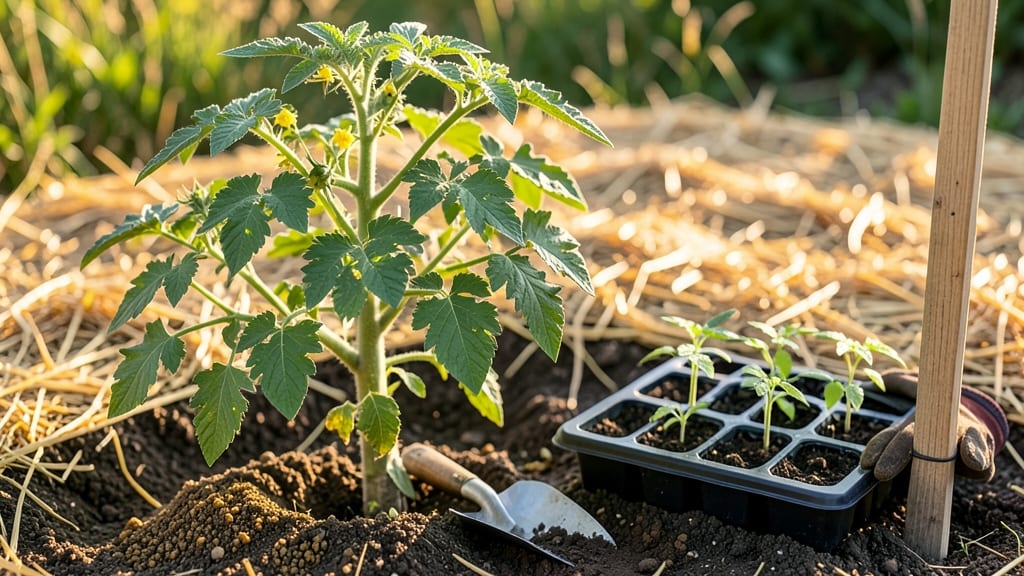
Timing when you plant tomatoes in Indiana isn’t just about the calendar—it’s about avoiding frost damage and preventing those plants from bolting before they even produce fruit.
With Indiana's USDA zones 5b-6a and unpredictable spring weather, knowing the exact window between April 15 and May 15 makes all the difference for a bountiful harvest.
You've probably heard the general advice to wait until after the last frost, but Indiana's climate throws a curveball with its 165 frost-free days and soil that stays cold longer than you'd expect.
That's why I'm sharing the precise steps to time your planting—whether you're starting seeds indoors or sowing directly—so you can enjoy juicy, vine-ripened tomatoes from June through October.
Let's dive into what you need to know about soil temperatures, variety selection, and regional adjustments that will help you beat Indiana's short growing season. You'll discover how to extend your harvest and avoid common mistakes that leave gardeners with bitter disappointment instead of garden-fresh flavor.
From choosing the right varieties for your area to understanding when to start seeds, this guide will give you the confidence to plant tomatoes at the perfect moment. Say goodbye to guesswork and hello to a garden full of homegrown tomatoes that taste like summer all season long.
Indiana last-frost dates by region: when to plant tomatoes for maximum yield
Indiana’s USDA zones 5b–6a create a short but productive growing season for tomatoes. The last spring frost typically arrives between April 15 and May 1, but this varies by region—northern Indiana waits longer than southern counties.
Planting too early risks frost damage or bolting (premature flowering), while late planting cuts harvest time. Let’s break down the best windows for each zone to maximize your tomato yield.
Southern Indiana (zones 6a–6b), including areas like Evansville and Louisville, can plant early varieties as soon as April 15. Northern Indiana (zones 5b–5a), like Fort Wayne and Gary, should wait until May 1–15 to avoid frost.
Even then, use row covers for extra protection if nighttime temps dip below 50°F. Always check your local agricultural extension office for the most precise frost dates each year.
Indiana’s first fall frost usually hits between October 15 and October 30, giving you about 165 frost-free days. This timeline works well for early-maturing varieties (60–70 days) but may leave little room for late-season plantings.
To extend your harvest, choose heat-tolerant varieties or use black plastic mulch to warm the soil early in the season.
For gardeners in central Indiana (zones 5b–6a), like Indianapolis and Carmel, aim to plant after May 1. Start seeds indoors 6–8 weeks before your last frost date to give them a head start.
If you’re direct-sowing, wait until soil temperatures reach 60°F—a soil thermometer is your best tool for this. Cold soil slows germination and invites disease.
| Region | USDA Zone | Last Frost Date | Planting Window | First Frost Risk |
|---|---|---|---|---|
| Southern Indiana | 6a–6b | April 15–May 1 | April 20–May 10 | Low (Oct 20+) |
| Central Indiana | 5b–6a | April 25–May 10 | May 1–15 | Moderate (Oct 15+) |
| Northern Indiana | 5a–5b | May 1–15 | May 15–30 | High (Oct 1+) |
If you’re growing heirloom or late-maturing varieties (like Brandywine or Cherokee Purple), consider starting them indoors in March to transplant after the last frost. For determinate varieties (bush types), you can even try a late summer planting (August) if you use row covers to protect them from early frosts.
Just be prepared to harvest before the first frost hits.
Indiana’s heat zones also play a role—southern regions experience hotter summers earlier, while northern areas stay cooler longer. If you’re in zone 6b, you might see 75–80°F days by early June, ideal for tomato growth.
In zone 5a, wait until mid-June for consistent warmth. Monitor your garden’s microclimate: South-facing beds warm up faster than north-facing ones.
To avoid bolting (when plants flower prematurely due to cold stress), use black plastic mulch or straw mulch to warm the soil. If nighttime temps drop below 50°F after planting, cover seedlings with frost blankets or row covers.
This trick extends your planting window by 1–2 weeks in cooler zones. Always remove covers during the day to prevent overheating.
For succession planting, sow a second batch of fast-maturing varieties (like Early Girl) every 2 weeks after your initial planting. This ensures a steady harvest from July through September. In northern Indiana, your last planting should go in by July 15 to allow
Tomato varieties that thrive in Indiana’s climate: best choices for early, mid, and late planting
Indiana’s short growing season demands the right tomato varieties to maximize harvests. Some thrive in cool springs, while others handle summer heat—choosing wisely means fewer bolting risks and bigger yields. Let’s explore the best options for your Indiana garden, whether you’re planting early, mid-season, or late.
For early planting (March–April), prioritize cold-tolerant varieties like 'Stupice' or 'Mountain Merit.' These handle soil temperatures as low as 50°F and produce fruit faster, giving you an edge before summer heat sets in.
If you’re direct-sowing after the last frost, opt for 'Celebrity'—a classic disease-resistant pick that matures in 70 days.
- Early Varieties (60–70 days): 'Stupice' (cold-hardy, cherry tomatoes), 'Mountain Merit' (resistant to blight)
- Mid-Season (70–80 days): 'Better Boy' (large, beefsteak type), 'Early Girl' (reliable early harvest)
- Late-Season (80+ days): 'Cherokee Purple' (heirloom, heat-tolerant), 'Brandywine' (sweet, long harvest window)
- Heat-Tolerant Picks: 'Solar Fire' (red, disease-resistant), 'Heatmaster' (performs in 90°F+ temps)
All varieties benefit from mulching and staking to improve yield in Indiana’s humid climate.
Indiana’s humid summers favor disease-resistant varieties. 'Better Boy' and 'Early Girl' are blight-resistant and produce heavy yields when staked properly. If you love heirlooms, 'Cherokee Purple' and 'Brandywine' deliver sweet, rich flavors but need extra care—like pruning and mulching—to thrive in Indiana’s USDA Zone 5–6.
For late planting (June–July), focus on heat-loving varieties like 'Solar Fire' or 'Heatmaster.' These bolt-resistant types handle Indiana’s late-summer heat and still produce fruit before the first frost. Pair them with black plastic mulch to warm the soil and extend the season.
Pro tip: Succession plant fast-maturing varieties like 'Early Girl' every 2 weeks to stagger harvests. This ensures a continuous supply of tomatoes from June through October, even in Indiana’s short season. Always check seed packets for days to maturity—it’s your best guide to timing!
🌱