
Plants
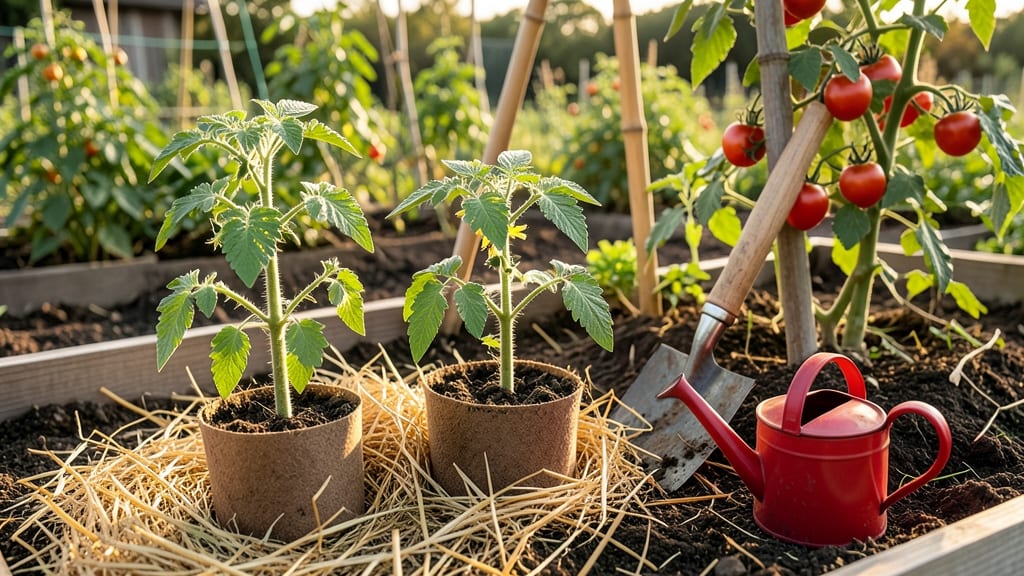
Timing when do you plant tomatoes in Virginia could mean the difference between a bumper crop and a sad, wilted vine.
With last frost dates creeping in around April 15 but nighttime temps still dipping below 50°F, many gardeners rush into planting too soon—only to watch their seedlings freeze overnight.
Here’s the secret: Virginia’s 7a-8a zones offer a narrow window of 180 frost-free days, and tomatoes need every one of them to mature.
Whether you’re starting seeds indoors or transplanting sturdy seedlings, getting the timing right means juicy, vine-ripened tomatoes from June through October—no matter if you’re in Richmond’s urban heat islands or Roanoke’s cooler valleys.
I’ll walk you through the exact planting schedule for your region, plus the best tomato varieties that thrive in Virginia’s climate—from early 'Celebrity' hybrids to heat-loving 'Brandywine' heirlooms.
You’ll also discover how to stretch your season with row covers and succession planting, so you’re harvesting long after your neighbors have given up.
Skip the guesswork and start planting with confidence—your taste buds (and your neighbors’ jealous glances) will thank you. Let’s get those seeds in the ground the right way.
Virginia’s frost-free planting zones & best tomato planting dates
Virginia’s diverse climate—from the cooler highlands of the Blue Ridge Mountains to the humid coastal plains—means your tomato planting window varies by region. Most gardeners in USDA Zones 6b-8a (covering most of Virginia) can start planting after the last frost date, typically between mid-April and early May.
But don’t wait too long—tomatoes need a long, warm growing season (at least 70-90 days without frost) to produce fruit.
For Northern Virginia (Zone 7a), like the Shenandoah Valley, aim for late April to early May transplants. In Central Virginia (Zone 7b), including Richmond and Charlottesville, you’ve got a slightly longer window—mid-April to early June.
Meanwhile, Tidewater and Southeast Virginia (Zone 8a), like Norfolk and Virginia Beach, can start as early as early April and even plant a second crop in late June for a fall harvest.
Here’s the key: Wait until soil temperatures reach 60°F+ and nighttime temps stay above 50°F. Cold soil slows germination, and chilly nights stunt growth. Use a soil thermometer to check—it’s the most accurate way to time your planting.
If you’re starting seeds indoors, begin them 6-8 weeks before your last frost date to have sturdy seedlings ready for transplant.
Pro tip: Hardening off seedlings (acclimating them to outdoor conditions) takes 7-10 days. Skip this step, and your transplants may shock and struggle. Also, avoid planting too early—late frosts in April can still sneak in, especially in higher elevations like Roanoke or Blacksburg.
If you’re direct-sowing seeds (instead of transplanting), wait until two weeks after your last frost date. Seeds need warm soil to germinate—70°F+ is ideal.
In Virginia’s Zone 8a areas, you can even try succession planting in late June for a fall harvest, but choose fast-maturing varieties (like ‘Early Girl’) to beat the first frost.
One common mistake? Planting too close together to save space. Tomatoes need 18–24 inches of space between plants (or 2–3 feet for indeterminate varieties). Overcrowding leads to poor air circulation, which invites diseases like blight. Stake or cage your plants early to avoid disturbing roots later.
For container gardening, use 5-gallon pots or larger and plant one tomato per container. Containers warm up faster than garden soil, so you can plant 1–2 weeks earlier than in-ground tomatoes. Just ensure pots have drainage holes and use a lightweight potting mix to prevent root rot.
Finally, keep an eye on local weather forecasts in the weeks leading up to planting. A late frost warning might delay your schedule, but don’t panic—row covers can protect seedlings if temps dip below 32°F.
With the right timing and a little preparation, you’ll be feasting on homegrown tomatoes by summer!
Tomato varieties that thrive in Virginia’s climate (early, mid, late season)
Virginia’s short growing season and humid summers demand tomato varieties that mature quickly and resist disease. I’ve grown heirlooms, hybrids, and disease-resistant types here, and these stand out for their reliability and flavor.
Choose based on your last frost date and harvest timeline—some varieties even tolerate Virginia’s late-season heat.
For early spring plantings (April), prioritize 50-60 day varieties to avoid frost damage. Mid-season (May) plantings benefit from 60-75 day tomatoes, while late plantings (June) need heat-tolerant, 75+ day types. I always keep a mix to stretch my harvest from June through October.
Early Season (50-60 days):
- ‘Stupice’ (55 days) – Cherry tomato, cold-hardy, great for early harvests.
- ‘Early Girl’ (52 days) – Classic slicer, disease-resistant, reliable in Zone 7a.
- ‘Sub-Arctic Plenty’ (60 days) – Cold-tolerant, indeterminate, thrives in cooler springs.
Mid-Season (60-75 days):
- ‘Celebrity’ (70 days) – Disease-resistant hybrid, consistent producer, Virginia favorite.
- ‘Roma’ (75 days) – Paste tomato, heat-tolerant, perfect for canning and sauces.
- ‘Solar Fire’ (68 days) – Orange heirloom, heat-loving, sweet flavor.
Late Season (75+ days):
- ‘Heatmaster’ (80 days) – Heat-tolerant hybrid, disease-resistant, ideal for July plantings.
- ‘Brandywine’ (85 days) – Heirloom beefsteak, needs long season but rewards with rich flavor.
- ‘Sungold’ (65 days) – Sweet cherry tomato, prolific producer, loves Virginia’s summer heat.
🌱 Top 5 Tomato Varieties for Virginia
- 1. Celebrity – Best all-around for disease resistance and reliability.
- 2. Sungold – Sweetest cherry, heat-loving, high yield.
- 3. Roma – Perfect for sauces, drought-tolerant once established.
- 4. Stupice – Cold-hardy cherry, great for early harvests.
- 5. Heatmaster – Late-season hero, thrives in July plantings.
For container gardening in Virginia, opt for compact varieties like ‘Tiny Tim’ (55 days) or ‘Patio’ (65 days). These bush tomatoes stay under 3 feet tall and produce well in 5-gallon pots.
I’ve had success with self-pollinating varieties like ‘Fourth of July’ (65 days) to avoid humidity-related blossom drop.
Pro tip: Succession plant every 2 weeks from April to June for a continuous harvest. Pair early varieties with late-season types to maximize your Virginia tomato season!