
Plants
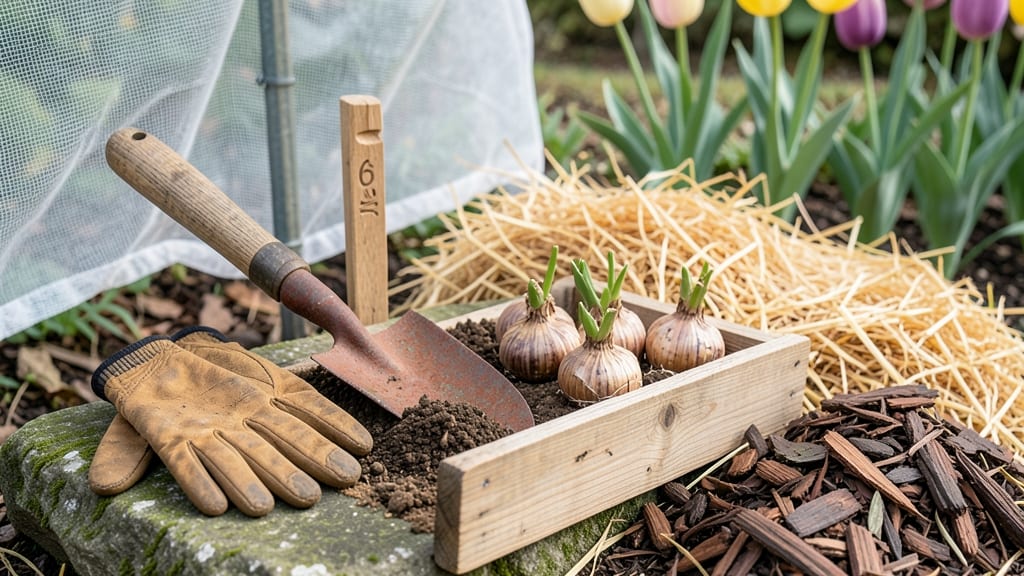
Planting tulips in Minnesota isn’t just about dropping bulbs in the ground—it’s about beating the frost and giving your 🌷 a fighting chance to bloom next spring.
The key lies in timing: plant too early, and your bulbs may sprout before winter sets in; wait too long, and they’ll rot in frozen soil.
For gardeners in zones 4a-5b, the sweet spot is between September and October, but your exact window depends on when your first hard frost hits.
Why does this matter? Because Minnesota’s climate can be brutal on unprepared tulips. A well-timed planting ensures your bulbs develop strong roots before the ground freezes, setting the stage for vibrant blooms by May or June.
I’ll walk you through the exact frost-date cheat sheet tailored to your zone, so you can plant with confidence—whether you’re in the Twin Cities or the Iron Range.
You might wonder if spring planting is even an option. Spoiler: it’s not. Tulips need a cold period to trigger blooming, and Minnesota’s short growing season means you’ve got just a few weeks to get it right.
But don’t worry—I’ll also share pro tips for extending your planting window with mulch, containers, and microclimates to give your tulips the best shot at survival.
Ready to transform your yard into a springtime spectacle? Let’s dive into the zone-specific strategies that’ll have your tulips thriving when the snow melts.
You’ll learn how deep to plant, when to fertilize, and how to spot the signs of perfect timing—so you can avoid common mistakes that leave bulbs struggling.
Minnesota tulip planting calendar by USDA hardiness zones (3-5)
Minnesota’s USDA Zones 3-5 demand precise timing for tulip planting—too early, and your bulbs may sprout before winter; too late, and they risk frost damage. The key is planting 4-6 weeks before the ground freezes, when soil temps drop to 50-60°F.
Northern Minnesota (Zones 3a-4a) has a shorter window than the Twin Cities (Zone 4b) or southern Minnesota (Zone 5a).
For Zone 3a (Northwest MN/Iron Range), aim for mid-September to early October—this gives bulbs time to root before the first frost, typically around October 15-20.
In Zone 4a (Brainerd, Duluth), you’ve got until late October, while Zone 4b (Twin Cities, Rochester) can stretch planting to early November. Southern Minnesota’s Zone 5a (Winona, Albert Lea) has the longest window: September through mid-November.
Don’t rely on calendar dates—use soil temperature as your guide. Insert a soil thermometer 6 inches deep; plant when temps hover around 50°F. If you’re unsure, check your local MN State University Extension frost maps for real-time updates.
Pro tip: Darwin Hybrid tulips handle Minnesota’s winters best, while species tulips (like Tulipa tarda) need earlier planting.
Here’s your zone-specific planting timeline with soil conditions and frost risks:
| Zone | Ideal Planting Window | Soil Temp Goal | First Frost Risk | Notes |
|---|---|---|---|---|
| 3a (Northwest MN) | Mid-September – Early October | 50–55°F | Oct 15–20 | Use straw mulch to insulate bulbs. |
| 4a (Brainerd, Duluth) | Late September – Late October | 50–60°F | Oct 20–Nov 1 | Container planting extends window by 2 weeks. |
| 4b (Twin Cities) | Early September – Early November | 50–60°F | Nov 1–10 | Best for Darwin Hybrids—hardier varieties. |
| 5a (Southern MN) | September – Mid-November | 50–65°F | Nov 15–25 | Latest zone—plant parrot tulips here for bold colors. |
If you miss the fall window, spring planting is possible but risky. Tulips planted in March or April may bloom the same year, but they’re more vulnerable to rot and pests.
For spring planting, use well-draining containers and keep bulbs in a cool, dark place until soil warms to 60°F. This method works best for urban gardeners with limited fall access.
For container-grown tulips, adjust planting dates by 2 weeks earlier—containers cool faster than in-ground soil. Fill pots with a mix of potting soil and perlite to improve drainage, and plant bulbs 6 inches deep.
Place containers in a protected microclimate, like near a south-facing wall, to delay frost exposure.
After planting, mulch with 2–3 inches of straw to insulate bulbs and prevent soil heaving during freeze-thaw cycles. Remove mulch in early spring once shoots emerge. Water deeply once after planting (no need to water again until spring), and avoid fertilizing until after flowers fade in June.
This timing ensures bulbs store energy for next year’s blooms.
Minnesota’s unpredictable frost patterns mean you might need to adjust yearly. Sign up for MN DNR frost alerts or use a frost clock app to track local conditions. In Zone 3a, early frosts can hit by October 1, so don’t wait—plant by mid-September for best results.
With the right timing, your tulips will reward you with vibrant spring blooms before the snow even melts completely.
5 Signs you’re planting tulips too early (or too late) in Minnesota
Planting tulips at the wrong time in Minnesota can mean the difference between vibrant spring blooms and wasted bulbs. The key is getting them in the ground 4-6 weeks before hard frost—but even then, mistakes happen.
Here’s how to spot if you’ve missed the window or planted too soon.
First, watch the soil temperature. If it’s still above 50°F when you plant, your tulips may sprout too early and get frost damage. Use a soil thermometer to check—ideal temps are 40-50°F at planting time.
In northern Minnesota (zones 3-4), this usually means waiting until late September or early October.
Next, look for sprouting shoots before winter. If you see green growth peeking through the soil in October or November, your bulbs are at risk.
This happens when planted too early or in poorly drained soil. Cover the area with straw mulch (4-6 inches) to insulate them if this occurs.
Some tulip varieties are more frost-sensitive than others. Darwin Hybrid tulips (like ‘Apeldoorn’) handle Minnesota winters better than species tulips (like Tulipa greigii), which need extra protection. If you’re unsure, opt for hardy varieties like ‘Ice Follies’ or ‘Black Parrot’ for zone 3-4 gardens.
If you’ve already planted too early, don’t panic. Replanting bulbs in late fall (November) can save them—just dig up the clump, separate the bulbs, and replant them deeper (8-10 inches) with fresh mulch. This buys them time to adjust before winter sets in.
For late plantings, focus on microclimates. South-facing slopes or raised beds warm up faster in spring, giving bulbs a head start.
If you’re in zone 5 (southern MN), you might squeeze in a late planting in early November, but northern zones (3-4) should aim for mid-September at the latest.