
Plants
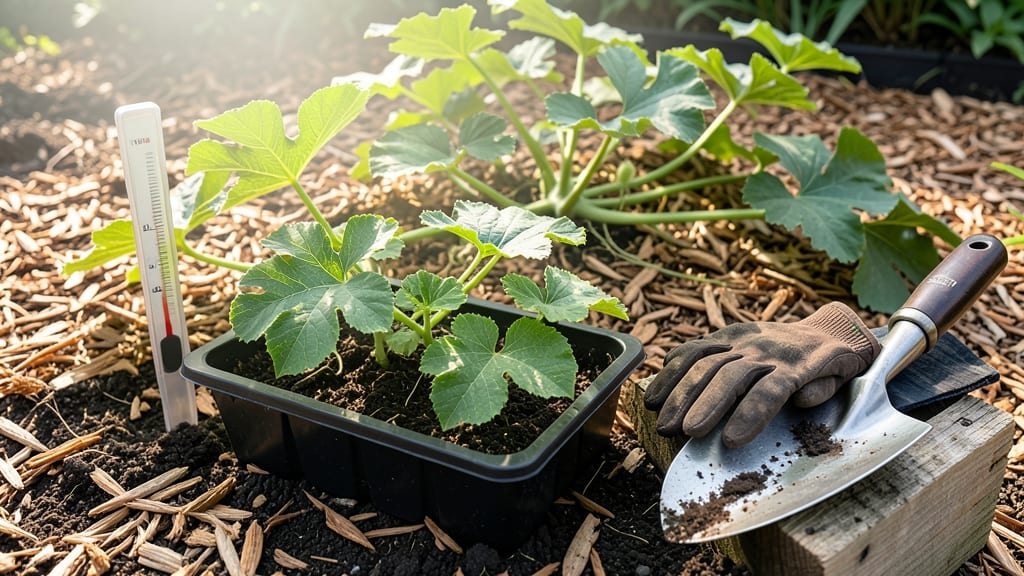
Planting watermelon in North Carolina at the wrong time can mean the difference between a juicy, homegrown harvest and wasted seeds. The key to success lies in waiting until soil temperatures hit 70°F+—typically mid-April to early May after the last frost—when your 🍉 vines will germinate quickly and thrive.
Timing matters because North Carolina’s diverse climate zones (from the Coastal Plain to the Mountains) create varying frost risks. Plant too early, and a late frost could kill tender seedlings before they even sprout. But get it right, and you’ll enjoy sweet, ripe fruit by summer’s end.
In this guide, I’ll break down the exact planting windows for your region, plus pro tips to speed up germination and avoid common mistakes. Whether you’re a first-time gardener or a seasoned grower, these strategies will help you maximize your watermelon yield.
Ready to turn your garden into a sweet, summer-ready watermelon patch? Let’s get started with the perfect planting schedule for your North Carolina zone.
North Carolina watermelon planting timeline: weeks before last frost by region
North Carolina’s diverse climate—from the humid Coastal Plain to the cooler Mountain regions—means your watermelon planting window varies dramatically. To maximize your harvest, align your schedule with USDA zones 7a-8b and soil temperature thresholds of at least 70°F.
The key? Planting 2-3 weeks after your last frost date ensures both germination and fruit development thrive.
For most of NC, this translates to mid-April to early May for spring planting, with a fall backup window in late July for a late-summer harvest.
However, the Mountains (USDA 7a) may need to wait until late May, while the Coastal Plain (USDA 8a-8b) can start as early as mid-April. Always check your local NC State Extension office for precise frost dates.
Why timing matters: Watermelons need 75-90 days to mature, and planting too early risks cold soil (below 60°F), which stalls germination. Conversely, delaying too late cuts harvest time before fall frosts. Balance these factors with your last frost date and first frost risk (typically mid-November in most zones).
🌱 Pro Tip: Use a soil thermometer to confirm temperatures—watermelon seeds won’t sprout reliably below 70°F. If your soil is cold, opt for transplants (available at local nurseries) instead of direct sowing.
| Region | USDA Zone | Last Frost Date | Optimal Planting Window | Soil Temp Threshold | Harvest Window |
|---|---|---|---|---|---|
| Coastal Plain | 8a-8b | Mid-April | Mid-April to early May | 70°F+ | Late June - August |
| Piedmont | 7b-8a | Late April | Late April to early May | 70°F+ | Late July - September |
| Mountains | 7a | Early May | Late May to early June | 70°F+ | August - early October |
| Fall Planting (All Regions) | 8a-7a | N/A | Late July | 70°F+ | September - October |
📅 Plan Ahead: Fall planting requires faster-maturing varieties (60-70 days to harvest).
If you’re in USDA zone 7a (Mountains), consider container growing to extend your season. Containers warm up faster and can be moved to sheltered microclimates (like near a south-facing wall) to push your planting window earlier.
For zones 8a-8b, you can even experiment with early March sowing under row covers or in a greenhouse.
Regional adjustments: The Coastal Plain benefits from earlier planting due to its longer frost-free season (220 days vs. 180 days in the Mountains). Use this advantage to plant heirloom varieties like ‘Moon and Stars’ for a late-summer feast. In contrast, Mountain gardeners should prioritize compact varieties (e.g., ‘Sugar Baby’) to fit shorter seasons.
For fall harvests, late July planting is ideal—this gives watermelons 90-100 days to mature before first frost (typically mid-November). Use black plastic mulch to warm soil and accelerate growth. Pair this with drip irrigation to maintain consistent moisture during NC’s unpredictable summer rains and heatwaves.
🌡️ Heat Zone Tip: NC’s humid subtropical climate can stress watermelons. Monitor humidity levels—aim for 40-60% humidity during flowering. If your area exceeds 70% humidity, improve airflow with trellising or pruning excess foliage.
Finally, track your local microclimate. Urban areas may experience urban heat islands, allowing 2-3 weeks earlier planting than rural zones. Use a weather station app to log soil temps and adjust your schedule accordingly. With the right timing, you’ll be slicing into homegrown watermelons by mid
How to time watermelon planting for fast germination in NC’s climate
North Carolina’s spring weather can be unpredictable, but with the right techniques, you can accelerate watermelon germination and ensure a thriving harvest. The key is soil temperature—watermelon seeds need soil that’s at least 70°F to sprout properly.
If you plant too early, cold soil will slow germination or even kill seedlings.
To give your seeds a head start, I recommend using black plastic mulch to warm the soil faster. Lay it down 1-2 weeks before planting to create a microclimate that mimics summer conditions. This method works especially well in USDA zones 7a-8b, where spring temperatures fluctuate wildly.
If your soil isn’t warm enough yet, consider starting seeds indoors 2-3 weeks before transplanting. Use biodegradable pots and harden off seedlings for 7-10 days before moving them outside.
Popular heat-tolerant varieties like ‘Crimson Sweet’ or ‘Sugar Baby’ germinate faster and handle NC’s heat better than other types.
Another trick I swear by is soaking seeds overnight in warm water before planting. This softens the seed coat and speeds up sprouting by 24-48 hours. Just be sure to plant them ½ inch deep in well-draining soil mixed with compost for the best results.
For gardeners in higher elevations (like the Mountains), a row cover can extend your planting window by 2-3 weeks. Remove it once true leaves appear to prevent overheating. In Coastal Plain regions, you might even plant as early as mid-April if your soil warms up quickly.
Finally, avoid the temptation to plant too early just to get a head start. Cold soil and frost can stunt growth or kill seedlings outright. Wait for consistent nighttime temperatures above 55°F—this usually aligns with late April to early May across most of NC.