
Companion Plants
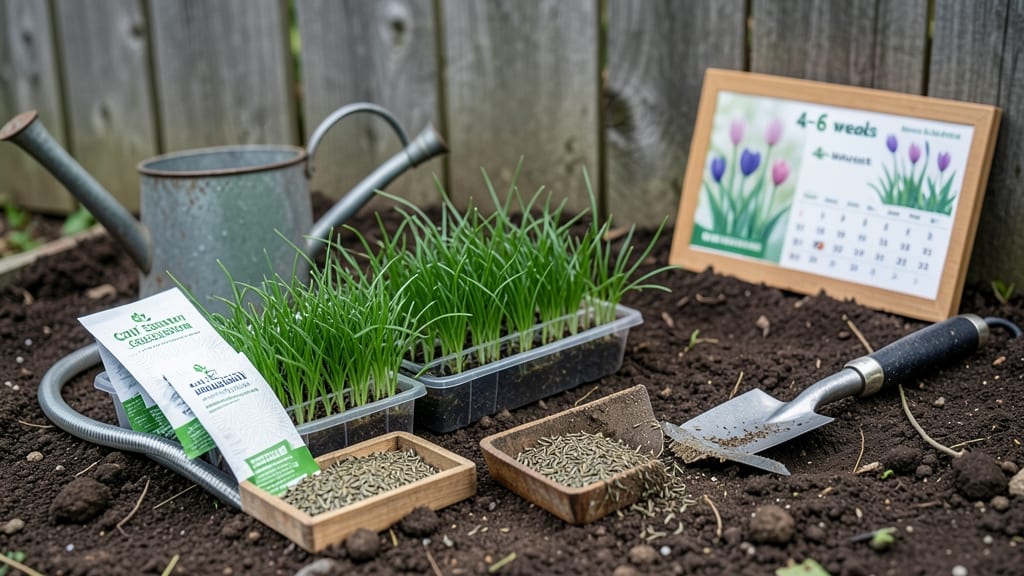
Planting grass seed at the wrong time in spring can leave you with sparse patches or wasted effort—but getting the timing right transforms your lawn from a struggle into a lush, green reality.
The key isn’t just waiting for spring; it’s planting when soil temperatures hit 55-65°F and the last frost is 4-6 weeks behind you. For most regions, like USDA Zone 6a, that means aiming for early to mid-April, but your local climate can shift that window by weeks.
I’ve seen too many gardeners rush planting only to watch their seeds wash away in sudden rain or freeze under unexpected frost. The secret? Checking your frost dates and soil warmth before breaking out the seed.
Cool-season grasses like Kentucky bluegrass thrive when planted 4-6 weeks before summer heat arrives, while warm-season types need the ground to stay consistently warm—so timing matters more than you’d think.
This guide cuts through the guesswork to give you the exact weeks to plant for your area, plus how to prep your soil and weatherproof your new lawn.
Whether you’re seeding a fresh yard or patching bare spots, these steps will help you avoid common pitfalls and grow grass that’s thick, vibrant, and built to last.
Ready to skip the trial-and-error? Let’s dive into the science-backed timing that’ll turn your spring planting into a success—no more second-guessing, just a lawn you’ll be proud of by summer.
Best weeks before last frost to plant grass seed in spring
Planting grass seed at the right time in spring is all about balancing soil warmth and frost risk. For cool-season grasses like Kentucky bluegrass or fescue, aim to plant 4-6 weeks before your average last frost date.
This gives seeds time to germinate before summer heat arrives. In contrast, warm-season grasses like Bermuda or Zoysia need to wait until after the last frost, when soil temps hit 65-75°F.
Your USDA hardiness zone plays a huge role. In northern zones (3-5), late April to early May is ideal, while southern zones (7-10) can plant as early as February. Always check your local frost calendar—a late frost can wipe out tender seedlings in minutes.
For example, if your last frost is April 15, plant by early April for cool-season grass.
Soil temperature is the most critical factor. Use a soil thermometer to confirm temps are 55-65°F for cool-season grass or 65-75°F for warm-season types. If your soil is too cold, seeds won’t germinate, and if it’s too hot, they’ll dry out.
Pro tip: Morning soil temps are usually 5-10°F cooler than afternoon readings—check early to avoid overestimating warmth.
Regional adjustments matter too. In Pacific Northwest states, where springs are wet and cool, plant earlier (March-April). In dry Southwest regions, wait until late April-May to avoid seed desiccation. Even within a state, microclimates vary—shady spots stay cooler longer than sunny areas, so plant shadier zones 1-2 weeks later.
Here’s a quick rule of thumb: If you see dandelions blooming in your lawn, it’s likely time to plant cool-season grass. These hardy weeds thrive in warming soil, signaling safe planting conditions.
For warm-season grass, wait until you can comfortably walk barefoot on the lawn without feeling chilly—this usually aligns with soil temps of 65°F+.
Now, let’s break down the exact timing for your grass type and zone with this comparison table:
For example, if you’re in Zone 5 with a last frost date of May 1, plant cool-season grass between mid-March and late April.
In Zone 9, where frost is rare, you can plant warm-season grass as early as February, but cool-season types should wait until September to avoid summer heat stress. Always double-check your local Almanac frost dates—they’re updated annually to reflect climate shifts.
One common mistake is planting too early when soil is still cold or soggy. Seeds rot instead of germinate, wasting your time and money. Conversely, planting too late risks summer drought or heat stress before roots establish.
Aim for that golden window where soil is warm enough for germination but cool enough to prevent seed stress. In most regions, this falls in late April to early May for cool-season grass.
If you’re unsure about your zone, use the USDA Plant Hardiness Zone Map (available online) to pinpoint your exact location. Even a half-zone difference (e.g., Zone 5b vs. 6a) can shift your planting window by 1-2 weeks.
For instance, Zone 5b (average last frost: April 15) plants by early April, while Zone 6a (average last frost: May 1) waits until mid-April.
Finally, don’t forget that seed packet instructions often provide zone-specific guidance. While general rules help, your seed’s recommendations should be your final check. For example, some tall fescue varieties thrive in cooler soils (planting as early as March in Zone 4), while others need warmer conditions.
Always match your seed choice to your climate for the best results.
With the right timing, your grass seed will germinate in 7-21 days, depending on the variety and weather.
Stay tuned for our next section on checking soil temperature and frost risk to lock in your exact planting date—because even a few degrees can make or break your lawn’s success. 🌱
Best weeks before last frost to plant grass seed in spring
Planting grass seed at the right time in spring is all about balancing soil temperature, frost risk, and grass type.
Cool-season grasses like Kentucky bluegrass and fescue thrive when planted 4-6 weeks before the last average frost date, while warm-season grasses like Bermuda or Zoysia wait until after the last frost. The key? Soil should stay above 55°F (13°C) for consistent germination.
For most U.S. regions, this window falls between mid-March and early May, depending on your USDA hardiness zone. Northern states (zones 3-5) should aim for late April to early May, while southern states (zones 7-9) can plant as early as February to March.
Always check your local frost calendar—early springs can trick you into planting too soon!
| Grass Type | Best Planting Window | Soil Temp Requirement | USDA Zones |
|---|---|---|---|
| Cool-Season (Kentucky Bluegrass, Fescue) | 4-6 weeks before last frost | 55-65°F (13-18°C) | 3-8 |
| Warm-Season (Bermuda, Zoysia) | After last frost (May-June) | 70-75°F (21-24°C) | 7-10 |
| Ryegrass (Fast-Germinating) | 3-4 weeks before last frost | 45-55°F (7-13°C) | All zones |
If you're in a transition zone (6-7), like the Midwest or Southeast, play it safe by waiting until mid-April. These areas experience unpredictable frost, and planting too early can leave seedlings vulnerable to late frosts.
For example, if your last frost date is April 15, aim for March 15 to March 30 for cool-season grasses.
Pro tip: Use a soil thermometer to confirm temperatures before planting. If the ground feels cold or damp, wait a week or two. Grass seeds need consistent warmth to sprout—cold, wet soil can delay germination by 2-3 weeks or worse, cause rot.
Once you’ve nailed the timing, prepare your soil by removing debris and loosening the top 2-3 inches with a rake. This ensures good seed-to-soil contact, which is critical for even germination. After planting, keep the soil moist (not soggy) until the grass reaches 3-4 inches tall.
Remember, patience is key. Cool-season grasses may take 10-14 days to sprout, while warm-season varieties can take 2-3 weeks. Avoid stepping on the area until the grass is 2 inches tall to prevent damage to delicate seedlings.