
Trees
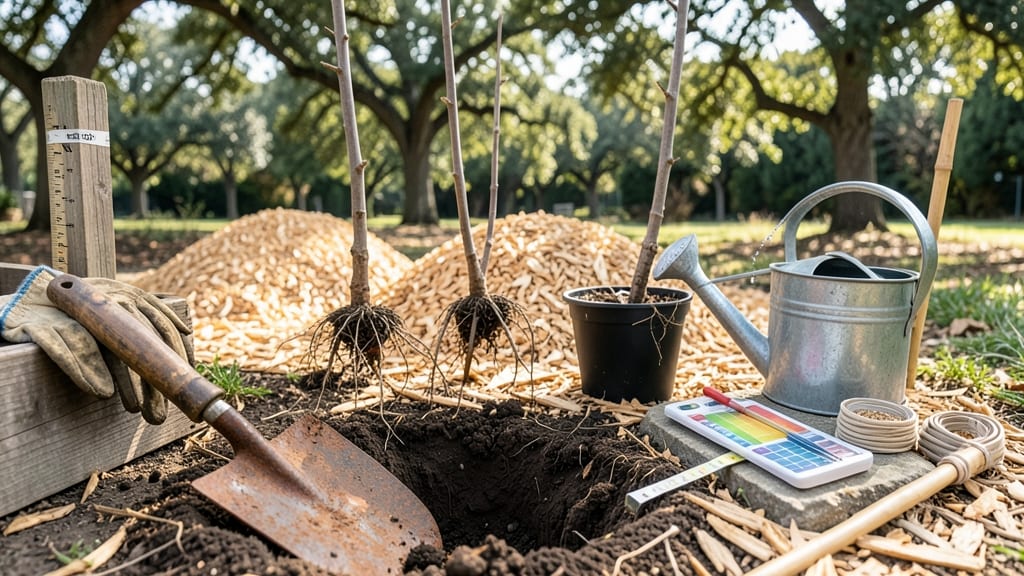
If you’ve ever wondered when is the best time to plant fruit trees in California, the answer isn’t as simple as picking a month—it’s about reading your microclimate like a pro.
From frost-free coastal areas to inland valleys and desert regions, the ideal planting window shifts dramatically, and getting it wrong can mean weaker roots or even lost trees.
Most California gardeners know winter is the golden season for planting 🍎, but the devil’s in the details. Whether you’re in USDA zones 8-10 or a high-desert area, timing your fruit tree’s arrival matters more than you’d think.
Plant too early, and you risk frost damage; too late, and your tree struggles to establish before summer’s heat arrives.
What you’re about to discover isn’t just a calendar—it’s a game-changer for your orchard’s future. We’ll break down the exact months that work best for your specific corner of California, plus the secret soil and variety tricks that make all the difference. Ready to plant with confidence?
Let’s dive into how to match your fruit tree’s needs with California’s diverse seasons—because the best time to plant isn’t just “winter.” It’s the right winter for your microclimate.
California’s optimal planting months by microclimate zone: coastal vs. inland vs. desert regions
California’s diverse climate means your fruit tree’s planting window depends entirely on where you live. Coastal areas like San Francisco and Santa Barbara enjoy milder winters, while inland valleys (Central Valley) face colder nights, and desert regions (Palm Springs, Riverside) have minimal frost but scorching summers.
Timing your plant correctly ensures root establishment before summer stress hits.
For most of California, November through March is the golden window—cooler temps and winter rains help roots establish without summer heat. But your exact timing depends on your USDA zone and last frost date.
For example, Northern California (Zone 7-9) can plant as early as late October, while Southern California (Zone 9-11) should wait until December or January.
Here’s how to match your microclimate to the perfect planting month:
| Region | Best Planting Months | Key Considerations | Soil Prep Tip |
|---|---|---|---|
| Coastal (San Francisco, Santa Barbara) | November–March | Mild winters, high humidity; avoid late winter rains that can waterlog soil. | Amend clay soil with compost to improve drainage. |
| Inland Valleys (Central Valley, Sacramento) | February–April | Colder nights (28°F frost risk); plant after last frost (January 15–March 1). | Use mulch to protect roots from temperature swings. |
| Desert (Palm Springs, Riverside) | November–December | Minimal frost, but summer heat (100°F+) stresses young trees. Plant before March 1. | Add organic matter to sandy soil to retain moisture. |
If you’re in a transition zone (e.g., Bay Area foothills), check your local Cooperative Extension office for precise frost dates. For example, San Jose averages its last frost on January 10, while Fresno waits until March 1.
Planting too early risks frost damage to tender roots, while planting too late delays root growth before summer.
Bare-root trees are ideal for winter planting—they establish 30% faster than container-grown trees because their roots aren’t circling. If you must plant in spring (April–May), choose container-grown trees and water daily for the first 2 weeks to offset heat stress.
Avoid planting in summer or fall—young trees can’t handle the heat or drought.
Pro tip: Citrus trees (like Valencia oranges) thrive in Southern California’s Zone 9-11 and can plant as late as January, but stone fruits (peaches, plums) need chill hours and should go in November–December in cooler zones. Always match your tree’s chill requirement to your region’s winter lows.
For example, a ‘Suncrest’ peach (200–400 chill hours) fits Northern California, while a ‘Flame’ nectarine (50–200 chill hours) works in Southern California. Check the UC Master Gardener Program for variety recommendations tailored to your zip code.
One common mistake? Planting too deep—the graft union (where the scion meets rootstock) should sit 2–3 inches above soil level. If buried, it can rot.
Use a stake to mark the union until roots establish. Pair this with a windbreak if your area gets strong coastal winds or desert gusts.
Finally, irrigation planning is critical. Inland areas need drip irrigation to deliver water directly to roots, while coastal regions benefit from soaker hoses to prevent fungal issues from overhead watering. Mulch with wood chips to retain moisture and regulate soil temperature—especially in desert zones where evaporation is high.
California’s optimal planting months by microclimate zone: coastal vs. inland vs. desert regions
California’s diverse climate means the best time to plant fruit trees varies dramatically from the coastal fog belts to the Central Valley’s heat and desert lowlands.
While most gardeners aim for dormant season planting (November–March), your exact timing depends on frost dates, rainfall patterns, and soil moisture. Let’s break it down by region to help you pick the perfect window.
For coastal areas (USDA Zones 8-10), like San Francisco or Santa Barbara, the ideal planting window stretches from November through early March. These regions enjoy mild winters with minimal frost risk, making late fall and winter perfect for bare-root tree planting.
The soil stays moist longer from winter rains, reducing transplant shock. Just avoid planting during heavy rain events, which can compact soil around roots.
Inland valleys (e.g., Sacramento, Fresno) have colder winters and warmer summers, shifting the optimal window to February through early April. Planting too early risks late-season frosts (common until mid-March), while waiting too long means summer heat stress for young trees. Aim to plant 4–6 weeks before your area’s last frost date—check UC Agriculture’s frost maps for your county.
In desert regions (USDA Zones 9-10), like the Coachella Valley, the window narrows to November through December. These areas have almost no rainfall and extreme summer heat, so planting in late fall gives roots time to establish before 100°F+ temperatures arrive.
Always use drip irrigation and mulch heavily to retain moisture. Avoid planting in summer or early fall, as young trees can’t handle the heat.
No matter your region, bare-root trees planted in winter (dormant season) establish 30–50% faster than container-grown trees. If you must plant in spring or fall, choose container-grown trees and water daily for the first 2 weeks to compensate for heat or drought stress.
Pro tip: Mulch 3–4 inches deep around the base to lock in moisture and regulate soil temperature.
For citrus trees (like lemons or oranges), which are frost-sensitive, plant in late winter (February–March) in coastal areas or spring (March–April) inland. Stone fruits (peaches, plums) need chill hours, so plant them in late winter to ensure they get enough cold exposure before blooming.
Always check your local nursery’s recommendations—they know your microclimate best!
Remember: The #1 mistake California gardeners make is planting in summer. Young trees struggle to establish roots in 100°F+ soil, leading to transplant shock and poor yields. Stick to the winter window, and your fruit tree will reward you with decades of harvests. 🌱🍊✂️