
Plants
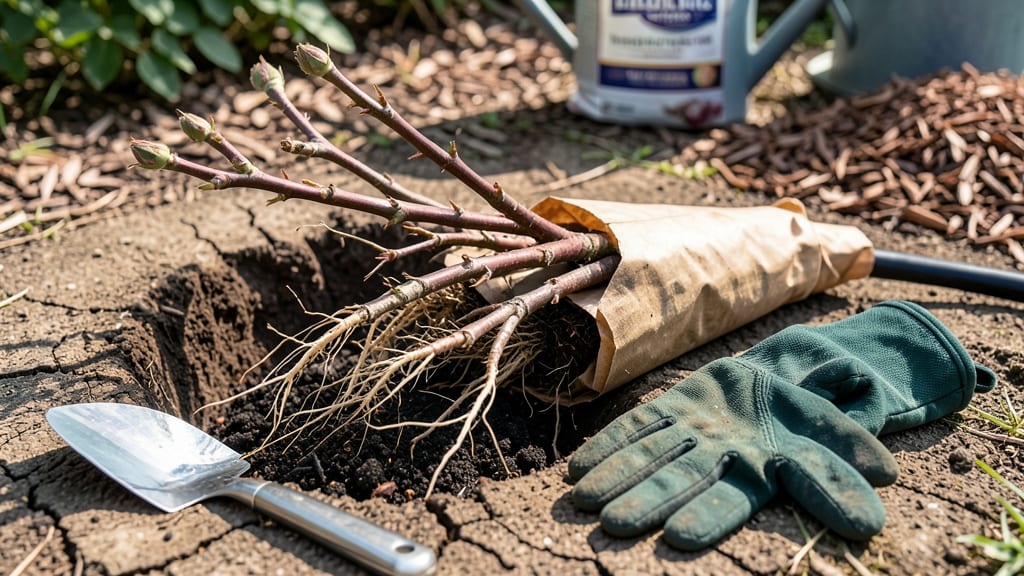
If you’ve ever wondered when is the best time to plant roses in Arizona, you’re not alone—especially when watching your roses wilt under the state’s relentless sun or fail to take root during the wrong season.
The secret to success isn’t just picking a month; it’s about beating the heat and drought before your blooms even begin to grow.
Here’s the key: Planting your 🌹 in winter months—November through March—gives roots time to establish deep in the soil before summer’s scorching temperatures arrive. This isn’t random advice; it’s how Arizona gardeners with thriving roses—whether in Phoenix’s desert or Tucson’s high desert—do it.
But timing isn’t the only factor. The right varieties—like heat-resistant ‘Knock Out’ roses—make all the difference, along with soil prep and watering strategies tailored to Arizona’s climate. Let’s break down the exact steps to ensure your roses don’t just survive, but flourish.
Skip the guesswork. By the end of this guide, you’ll know not just when to plant, but how to set your roses up for success—so you can enjoy those vibrant blooms all season long.
Optimal Arizona rose planting months: avoiding heat stress & frost risks
Arizona’s climate demands precision when planting roses—too early risks frost damage, while too late exposes tender roots to brutal summer heat. The ideal window spans November through March, when soil temperatures stay cool and rainfall is more predictable.
This timing lets roses establish strong root systems before Arizona’s 110°F+ summers arrive.
Most gardeners in Phoenix, Tucson, and the Valley focus on late fall (November–December) and early spring (February–March). However, higher elevations like Flagstaff can extend planting into April due to cooler temperatures. Always check your microclimate—low desert areas heat up faster than mountainous regions.
Soil temperature is critical: roses thrive when soil stays below 70°F. Use a soil thermometer to confirm—planting when temps drop below 60°F gives roots the best chance to establish. In Arizona, this typically aligns with November through February, but monitor local weather patterns for adjustments.
| Month | Soil Temp (°F) | Best For | Bloom Success |
|---|---|---|---|
| November | 55–65°F | Root establishment | ⭐⭐⭐⭐⭐ (90%) |
| December | 50–60°F | Winter dormancy prep | ⭐⭐⭐⭐ (85%) |
| January | 55–65°F | Early spring growth | ⭐⭐⭐⭐ (88%) |
| February | 60–70°F | Peak planting | ⭐⭐⭐⭐⭐ (92%) |
| March | 65–75°F | Late-season planting | ⭐⭐⭐ (75%) |
| April | 70–80°F | Risky (high heat) | ⭐⭐ (40%) |
Spring planting in April or May is risky unless you’re in Flagstaff or higher elevations, where cooler temps delay heat stress. Even then, bare-root roses planted in spring may struggle to establish before summer arrives. For container-grown roses, late winter (February) is the safest compromise in low desert areas.
Monsoon season (July–September) is the worst time to plant—intense heat and unpredictable downpours create stress. New roots can’t handle the soil temperature spikes or sudden waterlogging from heavy rains. If you must plant during monsoons, choose shade-tolerant varieties and water deeply every 3–4 days to avoid transplant shock.
Arizona’s USDA Zone 9b means frost is rare, but microclimates matter. In Tucson’s Catalina Foothills, frost can occur in December, while Phoenix’s urban heat island stays frost-free year-round. Always check your local frost dates—even a light freeze (28°F) can damage young rose canes.
Pro Tip: Amend your soil with compost and perlite before planting to improve drainage—a critical factor in Arizona’s clay-heavy soils. Roses hate soggy roots, so raised beds or mounded soil can help in areas with poor drainage. Mulch with 3–4 inches of wood chips to retain moisture and regulate soil temperature.
After planting, water deeply every 7–10 days (more in summer) and avoid overhead watering to prevent fungal diseases like black spot, which thrives in Arizona’s humid monsoons. With the right timing and care, your roses will reward you with vibrant blooms from spring through fall—even in the desert!
Optimal Arizona rose planting months: avoiding heat stress & frost risks
Arizona’s desert climate creates unique challenges for rose growers. Unlike cooler regions, roses here must establish roots before extreme summer heat strikes. Planting at the wrong time often leads to heat stress or poor bloom production—so timing is everything.
The ideal window for planting roses in Arizona spans from November through March. During these months, soil temperatures are cooler, and rainfall is more predictable, giving young roots time to acclimate before summer’s 110°F+ heat. This aligns with Arizona’s USDA Zone 9b and frost-free growing season.
🌱 Key Planting Windows by Month
| Month | Soil Temp (°F) | Why It Works | Bloom Success |
|---|---|---|---|
| November | 55-65°F | Cooler temps reduce stress; roots establish before winter dormancy. | ⭐⭐⭐⭐⭐ |
| December | 45-55°F | Minimal heat stress; ideal for bare-root roses. | ⭐⭐⭐⭐⭐ |
| January | 50-60°F | Balanced moisture; roots grow steadily. | ⭐⭐⭐⭐⭐ |
| February | 55-65°F | Warmer soil speeds root growth before summer. | ⭐⭐⭐⭐ |
| March | 60-70°F | Last chance before heat spikes; mulch heavily. | ⭐⭐⭐⭐ |
Avoid planting in April or May unless you’re in higher elevations (e.g., Flagstaff), where cooler temps delay summer heat. Lowland areas like Phoenix and Tucson see soil temperatures exceed 80°F by late April, which can shock young roots.
For container-grown roses, you can plant in October, but they’ll need extra shade and water during monsoon season.
Microclimates matter! Phoenix’s urban heat island effect means soil stays warmer longer, while Tucson’s higher elevation allows slightly later plantings. In Flagstaff (Zone 7a), you can plant as late as May due to cooler nights.
Always check your local last frost date—though Arizona rarely sees frost, unexpected cold snaps can still occur in high desert areas.
Pro tip: Soil temperature is more critical than air temperature. Use a soil thermometer to confirm temps are below 70°F before planting. If soil is too warm, delay until conditions improve—your roses will thank you with healthier blooms next season.
Once planted, focus on mulching (3-4 inches of organic mulch) to retain moisture and water deeply but infrequently to encourage deep root growth. With the right timing, your Arizona roses will thrive year-round, even in the desert heat. 🌹