
Plants
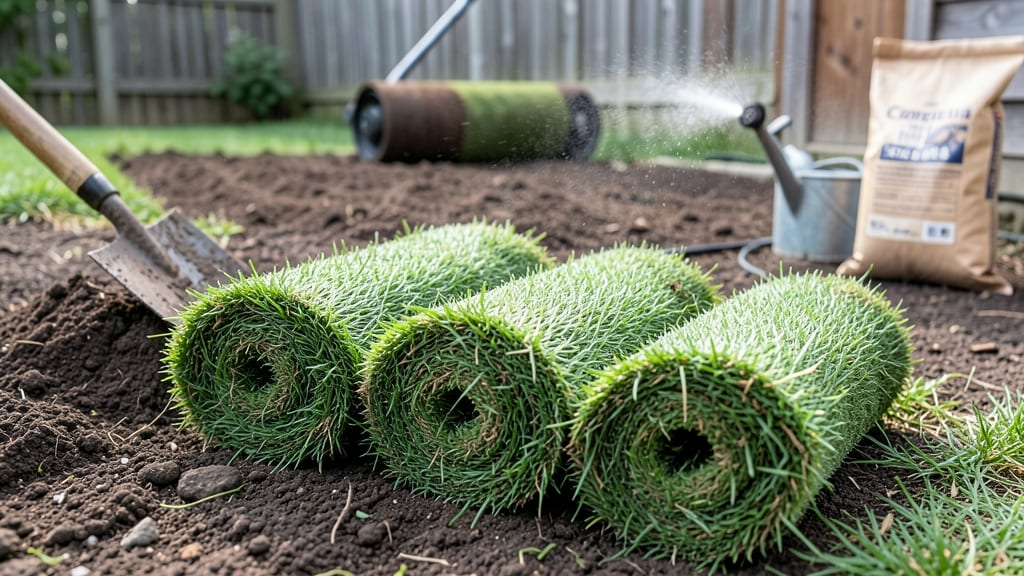
If you're dreaming of a vibrant, drought-resistant Texas lawn, planting sod at the wrong time can turn your green oasis into a brown disappointment—fast.
The best time to plant sod in Texas isn’t what most guides suggest, and ignoring these seasonal secrets means wasted money and weak roots that struggle to survive.
Here’s the truth: Late summer to early fall (think August through October) is your golden window for sod installation in Texas. Why? Because cooler temps and steady rainfall give those roots the perfect chance to establish deep before winter hits.
Skipping this window means battling extreme heat or cold, which can stunt growth or invite pests.
But timing isn’t one-size-fits-all across Texas. Whether you’re in the humid coastal plains, the rugged Hill Country, or the dry North Texas plains, the ideal window shifts slightly.
I’ll break down exactly when to plant in your region—and how to prep your soil for success—so your sod takes hold like a pro.
Ready to transform your yard into a lush, low-maintenance paradise? Let’s dive into the science and strategies that make all the difference in Texas’ unpredictable climate.
Best time to plant sod in Texas: late summer to early fall explained
Texas’ scorching summers and unpredictable weather make timing your sod installation the difference between a lush lawn and a struggling one. Most gardeners assume spring is ideal, but late summer to early fall (August through November) actually gives sod the perfect conditions to establish deep roots before winter dormancy.
The key? Soil temperatures between 60-75°F and consistent rainfall—both critical for root growth.
Think about it: Summer heat can bake sod roots, while winter cold slows growth. Texas’ fall season strikes the balance—cooler air reduces stress, and shorter days encourage root development. In fact, sod planted in September or October often outpaces spring plantings by 30-50% in root depth by winter.
Let’s break down why these months work best and how to maximize success with Texas-specific tips. The ideal window isn’t just about avoiding heat—it’s about leveraging natural rainfall patterns and soil moisture retention.
🌱
| Month | Average Soil Temp (°F) | Rainfall (inches) | Root Growth Potential | Best For |
|---|---|---|---|---|
| August | 80-85°F | 3.5-4.5" | Moderate (heat stress risk) | Early establishment |
| September | 75-80°F | 4.0-5.0" | High (optimal temps) | Peak planting month |
| October | 65-70°F | 3.0-4.0" | Excellent (cooling trend) | Late-season boost |
| November | 55-60°F | 2.5-3.5" | Good (pre-winter prep) | Northern Texas only |
Notice how September stands out as the sweet spot—soil stays warm enough for root growth, but humidity drops compared to summer, reducing fungal risks. Meanwhile, October offers the best balance for deep root penetration before winter slows activity.
If you’re in North Texas, November can still work, but South Texas gardeners should aim to finish by early October to avoid early frost.
Another critical factor is rainfall distribution. Texas’ fall season delivers consistent moisture without the intense downpours of spring, which can disrupt sod settling. For example, Houston’s September averages 4.5 inches of rain, while Dallas sees 3.5 inches—both ideal for sod hydration without over-saturation.
Pro tip: Test your soil’s moisture before planting. Stick your finger 3 inches deep—if it feels dry, water 24 hours beforehand. Overwatering is just as harmful as underwatering, especially in clay-heavy soils common across Texas.
Let’s talk soil temperature, too. Use a soil thermometer to confirm temps are above 60°F—cooler soils slow root growth and increase disease susceptibility. In East Texas, where humidity lingers, aim for 70°F+ to prevent thatch buildup.
Finally, don’t overlook post-planting care. Sod needs daily watering for the first 2 weeks (about 1 inch per week) to encourage rooting. After that, reduce to 3x weekly unless Texas’ fall droughts kick in—then increase frequency.
💧
Best time to plant sod in Texas: late summer to early fall explained
Texas’ scorching summers and unpredictable weather make timing your sod installation the difference between a lush lawn and a failed investment. Most gardeners assume spring is ideal, but in Texas, late summer to early fall (August through October) is your best bet.
During these months, daytime temps hover between 75°F and 85°F, giving sod roots time to establish before winter slows growth.
The key is avoiding two extremes: peak summer heat, which stresses new sod, and late fall/winter, when cold snaps can stunt root development. In August-September, rainfall is often steady, reducing irrigation needs, while October-November offers cooler nights that prevent heat shock.
This window aligns with Texas’ natural growing cycle, ensuring your sod thrives without extra stress.
Here’s the science: Sod needs 4-6 weeks to root deeply. Planting in late summer gives roots enough time to anchor before winter dormancy. Skip this window, and you risk shallow roots that dry out in summer or freeze in winter.
For example, planting in April or May means battling 100°F+ temps, while waiting until November or December leaves roots vulnerable to early freezes.
| Season | Temperature Range | Rainfall | Root Establishment Risk |
|---|---|---|---|
| Late Summer (Aug-Sept) | 75°F–85°F | Moderate-High | Low (ideal window) |
| Early Fall (Oct-Nov) | 60°F–75°F | Low-Moderate | Low (cool nights help) |
| Spring (March-May) | 65°F–95°F | Low-Variable | High (heat stress) |
| Winter (Dec-Feb) | 30°F–60°F | Low | Very High (freeze risk) |
Pro tip: Check your local USDA Hardiness Zone (Texas ranges from Zone 7 to 10) for fine-tuning. For example, Zone 8 (Austin) can push sod planting into early December, while Zone 9 (Houston) might extend it to January.
Always aim to plant at least 6 weeks before the first expected frost in your area.
Beyond timing, soil temperature matters. Use a soil thermometer—ideal temps for sod rooting are 60°F–75°F. If your soil runs hotter, water deeply in the early morning to cool it down.
Pair this with a 2-inch layer of mulch to retain moisture and regulate temps, especially in North Texas’ dry climate.
Remember: Sod is an investment. Planting outside the August–October window forces you to fight Texas’ climate instead of working with it. Stick to this timeline, and you’ll see deep roots, faster greening, and a lawn that outlasts the heat.
Ready to dive into regional adjustments? Let’s break down what works for your corner of Texas next.