
Trees
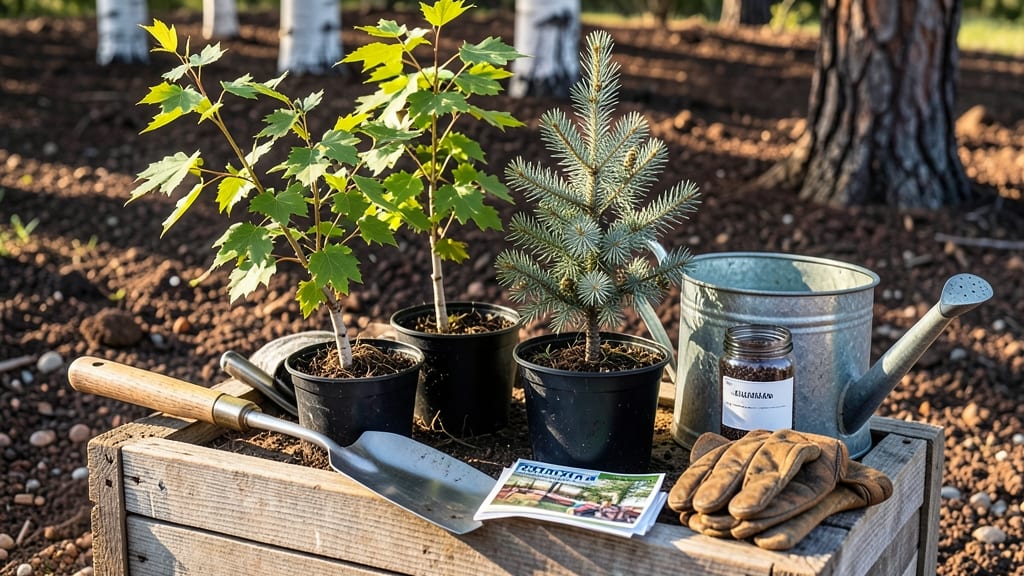
The best time to plant trees in Colorado isn't just about grabbing a shovel and digging—it's about outsmarting the state's wild climate swings. Whether you're in Denver's lowlands or the high-altitude mountains, timing matters more than you might think.
Plant too early, and your 🌳 could get fried by summer heat or frozen by late frosts. Get it right, though, and you'll give your tree the strongest start possible.
Spring and fall are your two golden windows, but Colorado's elevation zones twist the rules. In the Front Range, early April often works, while mountain areas might wait until September to avoid early snow.
The key? Soil temperature and moisture—both play bigger roles than most gardeners realize. I'll break down exactly what to watch for in each zone so you don't end up with a struggling sapling.
You might assume all trees thrive under the same conditions, but Colorado's microclimates create wild variations. Urban heat islands in Denver behave differently than windy foothills, and container-grown trees need special handling compared to bare-root varieties.
Let's cut through the guesswork and focus on what actually works for your specific location and tree type.
By the end, you'll know not just when to plant, but how to prepare your soil, which species handle Colorado's extremes best, and even how to spot common mistakes before they derail your tree's growth. Ready to plant with confidence? Let's get started.
Colorado’s ideal tree planting windows: spring vs fall by elevation zone
Colorado’s diverse elevation zones create a complex planting puzzle. Lowland Denver gardens (5,000–6,000 ft) have earlier frost-free windows than high-altitude Boulder areas (6,000–7,000 ft), where soil temperatures lag behind. Ignoring these differences means risking root shock from premature planting or winter dieback from late-season growth.
For Front Range urban areas (Denver, Aurora, Fort Collins), aim for late April to early May in spring or mid-September to October in fall. These windows align with soil warming above 50°F and 6–8 weeks before first frost, giving roots time to establish before dormancy.
In mountain foothills (7,000–8,000 ft), like Colorado Springs or Manitou Springs, shift your schedule 2–3 weeks later. Here, May 1–15 becomes your spring target, and late September is safer for fall planting to avoid early snow events.
At high-elevation zones (8,000+ ft), such as Estes Park or Leadville, June 1–July 15 is your only reliable spring window. Fall planting here must happen by late August to allow roots to harden before sub-freezing temps.
| Elevation Zone | Spring Planting Window | Fall Planting Window | Soil Temp Threshold | Key Risk |
|---|---|---|---|---|
| Front Range (5,000–6,000 ft) | Late April–Early May | Mid-Sept–Oct 15 | 50°F+ (10°C+) | Late frost damage |
| Foothills (7,000–8,000 ft) | May 1–15 | Late Aug–Sept 10 | 55°F+ (13°C+) | Early snow |
| Mountains (8,000+ ft) | June 1–July 15 | Late Aug only | 60°F+ (16°C+) | Short growing season |
Colorado’s microclimates add another layer. Urban Denver’s heat islands can push spring planting 1–2 weeks earlier than rural areas, while wind-exposed sites (common in western Colorado) require earlier fall planting to avoid desiccation.
For container-grown trees, flexibility exists—plant anytime soil isn’t frozen. But bare-root trees demand precision: dormant season planting (late fall or early spring) maximizes root growth before stress hits.
Pro tip: Use a soil thermometer to verify 50°F+ soil temps before planting. In dry years, prioritize fall planting to leverage winter moisture for root development.
Native species like Colorado Blue Spruce or Quaking Aspen thrive when planted in their natural elevation zones. For non-natives (e.g., London Plane), extend your spring window by 2 weeks to account for slower acclimation.
Remember: 6–8 weeks of growth before dormancy is non-negotiable. In high-altitude areas, this means fall planting must end by August 20th—no exceptions.
Critical factors that determine your planting timeline in Colorado
Beyond elevation zones, Colorado’s soil moisture and tree species hardiness are the real game-changers. A drought-tolerant species like Ponderosa Pine thrives when planted in late spring to avoid summer dry spells, while moisture-loving Willow needs fall planting for winter water retention.
Your USDA Plant Hardiness Zone (5–7 in Colorado) isn’t the only rulebook. Check the tree’s native range: Mountain Ash from higher elevations struggles in Denver’s Zone 5b, while Russian Olive (Zone 3) dominates arid foothills. Always match species to microclimate—this avoids costly mistakes.
🌱 Key Takeaways for Colorado Tree Planting
- Soil Temp: Wait for 50°F+ (10°C+) in spring, 60°F+ (16°C+) in mountains.
- Moisture: Prioritize fall planting in dry years for winter water.
- Wind Exposure: Plant 2–3 weeks earlier in windy areas (e.g., western slope).
- Species Match: Native trees adapt faster than non-natives.
- Urban Heat: Denver’s heat islands can shift windows 1–2 weeks earlier.
Don’t overlook pre-planting soil prep. Colorado’s clay-heavy soils (common in eastern plains) need amendments like compost or gypsum to improve drainage. Test your soil’s pH (6.0–7.5 ideal) and moisture retention—this directly impacts root growth speed. A moisture probe reveals hidden dry pockets that can strangle young roots.
For container-grown trees, timing flexibility exists—but bare-root trees demand precision. Plant them dormant (late fall or early spring) to minimize transplant shock. If you must plant in summer, mulch heavily (4–6 inches) to retain moisture and water deeply every 5–7 days.
Colorado’s urban vs. rural divide matters too. City sidewalks (like in Denver) trap heat, while rural fields (e.g., Weld County) lose moisture faster. Adjust your schedule: urban areas can plant 1–2 weeks earlier in spring, but rural sites may need later fall planting to avoid frost.
Pro tip: Use a weather forecast tool like NOAA’s Climate Data to track 10-day soil temps. In 2023’s late-spring freeze, many Front Range gardeners lost young trees because they planted too early—don’t make the same mistake. Patience wins in Colorado’s unpredictable climate.