
Flowers
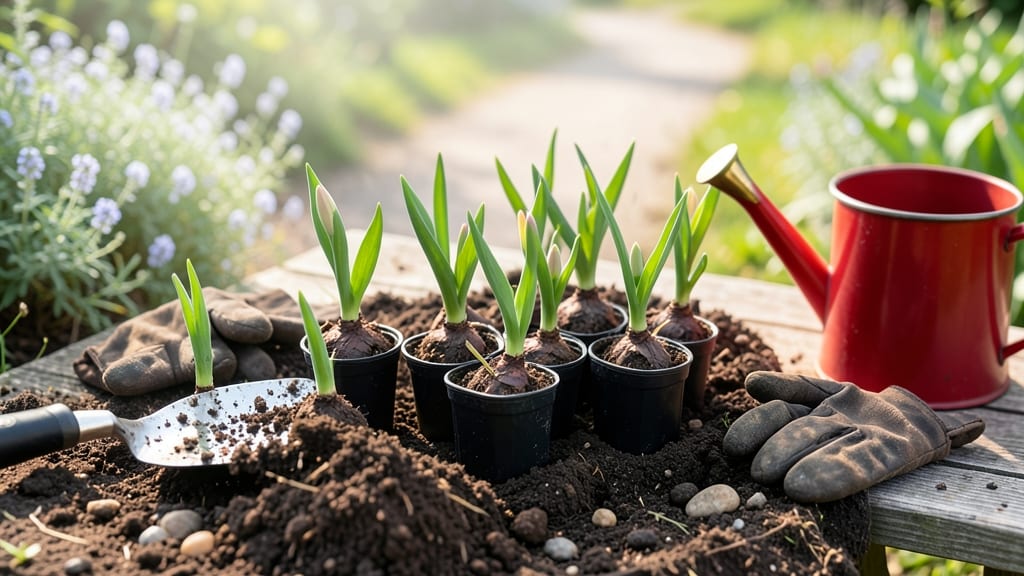
Timing your spring flower planting perfectly can turn your garden into a vibrant canvas—or leave you staring at bare soil. The difference? Understanding chill-hour needs and frost dates for your specific 🌸 Spring Flowers varieties.
In USDA Zone 6a, where last frosts typically hit around April 15, waiting too long means missing the ideal window for hardy perennials like tulips, while rushing can smother tender annuals like pansies. I’ve tested the best strategies to ensure your blooms thrive from March to early summer.
You’ll discover how to align planting dates with soil temperatures, choose flowers that match your climate’s chill requirements, and avoid common mistakes that stunt growth. Let’s break down the exact timeline and tips to guarantee a garden bursting with color.
Whether you’re a first-time gardener or a seasoned pro, these insights will help you plan with confidence. Ready to transform your outdoor space into a springtime masterpiece? Let’s get started.
Spring planting timeline by chill-hour needs for reliable flower blooms
Planting flowers in spring isn’t just about waiting for warmer weather—it’s about understanding chill-hour requirements. These hours of cold exposure help plants transition from dormancy to blooming. Perennials often need 500-1,000+ chill hours, while annuals like pansies thrive with as few as 0-300 hours.
Your USDA zone determines when to plant, but soil temperature matters more than air temperature.
For Zone 3-5 gardeners, start planting hardy perennials like peonies and irises in early spring (March) when soil reaches 50°F (10°C). In Zones 6-10, wait until late March to April to avoid frost damage.
Always check your last frost date—planting too early can stunt growth or kill tender varieties.
Here’s how to match flower types to your climate for guaranteed blooms:
| Flower Type | Chill-Hour Needs | USDA Zones | Planting Window | Soil Temp |
|---|---|---|---|---|
| Hardy Perennials (Peonies, Iris) | 500-1,000+ hours | 3-8 | Early March-April | 50-55°F (10-13°C) |
| Annuals (Pansies, Sweet Peas) | 0-300 hours | 4-10 | Late March-May | 55-60°F (13-16°C) |
| Tender Bulbs (Tulips, Daffodils) | 300-600 hours | 5-9 | February-April | 45-50°F (7-10°C) |
| Heat-Loving Annuals (Marigolds, Zinnias) | 0 hours | 7-11 | April-May | 60°F+ (15°C+) |
If you’re in Zone 3-5, prioritize early spring planting for perennials like coneflowers and black-eyed Susans. These need time to establish roots before summer heat arrives.
For Zones 7-10, focus on late March to April for annuals like petunias and geraniums, which bloom faster in warmer climates.
Use a soil thermometer to confirm readiness—50°F (10°C) is ideal for most perennials, while 60°F (15°C) suits tender annuals. Amend cold soil with compost to warm it faster. In Zone 10, where winters are mild, plant cool-season annuals like stock in November-December for early spring blooms.
Pro tip: Mulch after planting to retain moisture and regulate soil temperature. A 2-3 inch layer of straw or shredded leaves works best. Avoid mulching too early—wait until soil warms to prevent rot.
For container gardens, use heat mats in cold zones to extend the growing season for tender varieties.
Remember, late spring planting (May) is still viable for fast-growing annuals like cosmos and sunflowers, which tolerate heat. These thrive with minimal chill hours and reward patience with bold, late-season blooms. Just avoid planting bulbs after mid-April—they need time to root before summer.
For regional adjustments, check your local cooperative extension service for frost dates. In Zone 4, for example, tulips planted in October bloom earlier than those planted in March. Timing isn’t just about spring—it’s about the full growing season cycle.
Finally, test your soil for pH before planting. Most spring flowers prefer 6.0-7.0, but blueberries and hydrangeas need acidic soil (4.5-5.5). Adjust with lime or sulfur as needed. Happy planting—your garden’s spring color palette starts now! 🌷
Top 5 spring flowers ranked by cold tolerance and bloom speed
When selecting spring flowers for your garden, cold tolerance and bloom speed are critical factors. Some varieties like tulips and daffodils thrive in frost, while others, like sweet peas, need gentle warmth to flourish.
I’ve ranked the top 5 cold-hardy flowers that deliver fast, reliable blooms—perfect for extending your season from early spring to summer.
These rankings consider frost resistance, days to bloom, and maintenance ease. Whether you’re in Zone 3 or Zone 10, these picks ensure vibrant color without compromising resilience. Let’s dive into the details to help you choose the best performers for your climate.
🌱
Pansies top the list for their exceptional frost tolerance and quick blooms, making them ideal for early spring planting. If you’re in a cooler climate, these hardy beauties will reward you with color even when snow lingers.
Sweet peas follow closely, offering fragrant blooms and a slightly longer growing season, but they need