
Plants
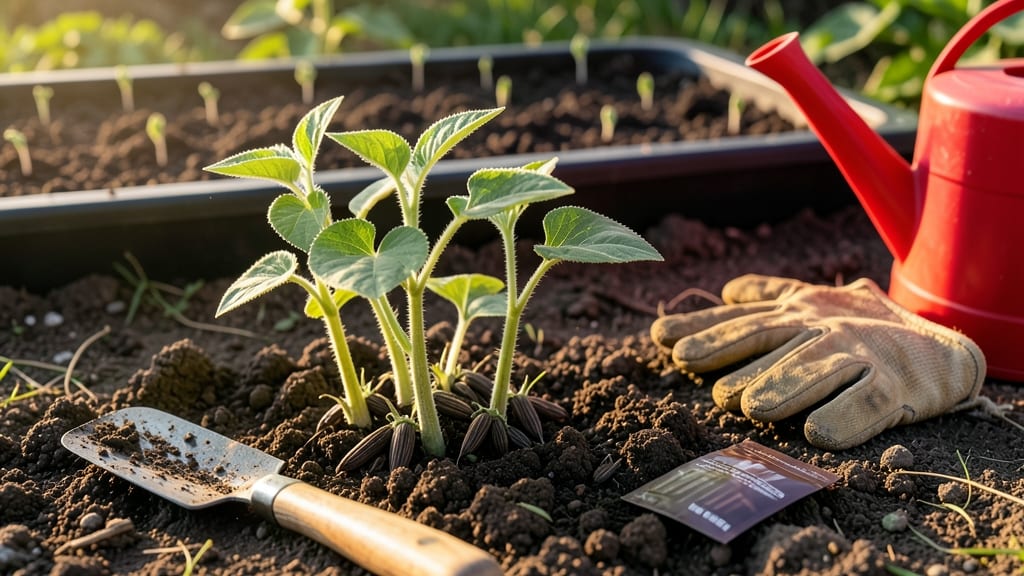
Planting sunflower seeds in Florida at the wrong time can turn your garden dreams into a sad, wilted mess before those towering 🌻 blooms even appear. The key to success lies in knowing exactly when to plant—because Florida’s heat and humidity demand precision, not guesswork.
If you’ve ever watched a sunflower struggle through a scorching summer or bolt too early in the spring, you know timing matters. The good news? Florida’s long growing season gives you two prime windows—spring and fall—where these cheerful giants can thrive without fighting the elements.
I’ll show you exactly when to drop those seeds in the ground, whether you’re in North Florida’s cooler pockets or South Florida’s year-round warmth. Plus, I’ll share pro tips for heat-tolerant varieties that won’t flop when temperatures soar.
Ready to grow sunflowers that reach for the sky instead of wilting in the heat? Let’s get started with the perfect planting schedule for your Florida garden.
Best planting windows for sunflowers in Florida’s climate zones
Florida’s climate varies dramatically from the panhandle’s cooler North to the tropical South, so timing matters. Sunflowers need warm soil (50°F+) and consistent moisture to thrive. Plant too early, and they’ll bolt; too late, and they’ll struggle with summer heat. Here’s how to nail it by region.
North Florida (Zones 8a-9a) faces cooler winters and occasional light frosts after December 1. Aim for mid-March to early May to avoid early frost risks. For a fall harvest, plant again in late August to mid-September before temperatures dip.
Central Florida (Zones 9b-10a) enjoys longer growing seasons with minimal frost. Your best window is February to early June or August to October. The key? Avoid planting in peak summer (June-August) when temperatures often exceed 95°F, stressing young seedlings.
South Florida (Zones 10b-11) has year-round growing potential, but even here, summer heat can stunt growth. Plant in January-February or September-October to escape the worst of the heat. For continuous blooms, try succession planting every 2-3 weeks during cooler months.
| Climate Zone | Best Planting Window | Avoid Planting | Heat-Tolerant Variety |
|---|---|---|---|
| North Florida (8a-9a) | Mid-March–Early May Late August–Mid-September |
June–July (extreme heat) December–February (frost risk) |
‘Autumn Beauty’ |
| Central Florida (9b-10a) | February–Early June August–October |
June–August (peak heat) | ‘Moulin Rouge’ |
| South Florida (10b-11) | January–February September–October |
April–May (humidity stress) | ‘ProCut’ |
For all regions, soil temperature is your best guide. Use a soil thermometer to confirm it’s at least 50°F (10°C) before planting. In cooler zones, consider pre-sprouting seeds indoors 1-2 weeks before the last frost date to get a head start.
Pro tip: Mulch heavily after planting to retain moisture and regulate soil temperature. Use straw or wood chips (2-3 inches thick) to protect seedlings from Florida’s intense sun and sudden rain.
If you’re in hurricane-prone areas, avoid planting 6 weeks before storm season (June-November). Young sunflowers can uproot easily in high winds. Instead, opt for fall planting in September for a winter harvest before storms peak.
Remember, sunflowers are fast growers—they can reach 6 feet in just 8 weeks! Planting at the right time ensures they bolt upward instead of wilting under Florida’s harsh sun. Start with these windows, and you’ll be harvesting golden blooms in no time.
🌻
How to time sunflower planting for maximum height and bloom
Timing your sunflower planting isn't just about avoiding frost—it's about giving these giants the perfect growing window to reach their 6–12-foot potential.
In Florida, where summer heat can be brutal, planting too early risks heat stress, while waiting too late may stunt growth before the first frost in North Florida. The key is to plant when soil temperatures hit 50°F (10°C) and daytime highs stay below 90°F (32°C).
For spring planting, aim for late February to early April in North Florida, while Central and South Florida gardeners can start as early as January. This timing ensures seedlings establish roots before the peak summer heat arrives.
If you're in South Florida, you can even squeeze in a fall planting in September for late-season blooms that last through winter.
🌱
Use a soil thermometer to confirm temperatures are at least 50°F (10°C). Cooler soils delay germination, while warmer soils (above 85°F) can cause seed rot.
Space seeds 6 inches apart in rows 18–24 inches apart to prevent overcrowding. Tall varieties like 'Russian Giant' need extra room to avoid flopping in storms.
North Florida’s cooler winters allow earlier spring plantings, while South Florida’s humidity demands well-draining soil to prevent fungal diseases like powdery mildew.
Pair sunflowers with basil or marigolds to deter pests like aphids. Avoid planting near potatoes, which compete for nutrients.
If storms damage young plants, stake tall varieties and water deeply to revive roots. Sunflowers are resilient but need support to rebound from wind stress.
To maximize bloom size, fertilize with a balanced 5-10-10 mix when seedlings are 4–6 inches tall. Avoid over-fertilizing with nitrogen, which promotes leafy growth at the expense of flower development. Instead, focus on phosphorus and potassium to encourage robust blooms and seed production.
In Florida’s USDA Zones 9a–11, sunflowers can grow year-round, but the best bloom times align with cooler months. For example, spring-planted sunflowers in North Florida typically bloom by June–July, while fall plantings in South Florida may flower as late as December.
By timing your planting to these windows, you’ll ensure your sunflowers reach their full height and produce bold, vibrant blooms that turn heads—and attract pollinators!
🌻