
Companion Plants
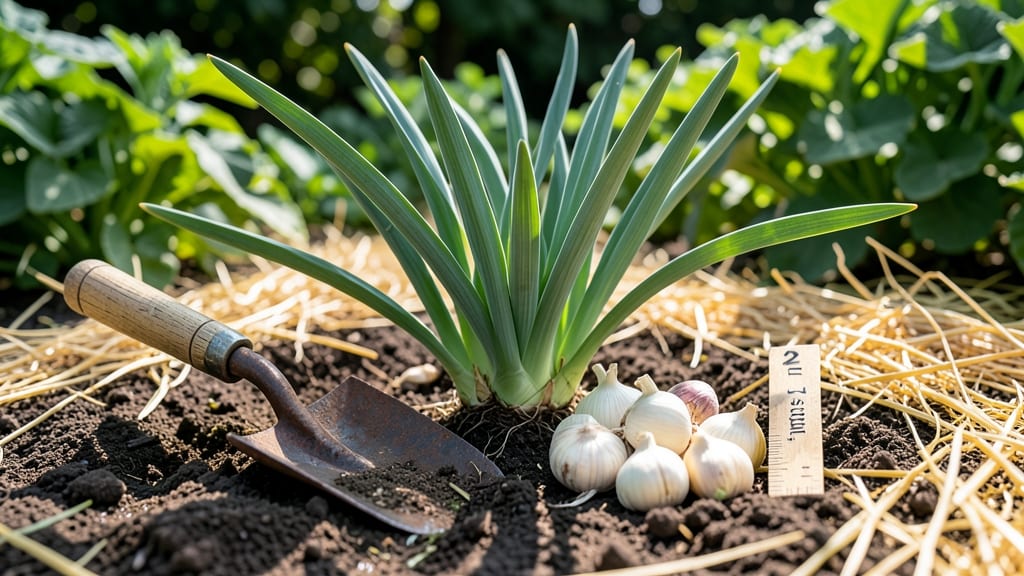
Planting garlic in Zone 7 at the wrong time could mean the difference between a bountiful harvest of plump, flavorful bulbs and a disappointing patch of weak sprouts—or worse, nothing at all.
The key to success lies in understanding the perfect window for planting, which in Zone 7 is far from intuitive for beginners.
Whether you're a first-time gardener or a seasoned grower, timing is everything when it comes to cultivating 🧄 garlic that thrives through winter and rewards you with a summer harvest.
Most gardeners in Zone 7 make the mistake of waiting too long, only to watch their garlic struggle to establish roots before the ground freezes. But here's the secret: the best time to plant isn't just about the calendar—it's about soil temperatures and frost patterns.
I'll walk you through the exact months to aim for, how to prepare your soil, and what to watch for to ensure your garlic gets the strong start it needs.
With the right approach, you'll be on track for bulbs that are larger and more robust than you've ever grown before.
Fall planting is your golden opportunity in Zone 7, but there's a narrow window between October and November where conditions are just right. We'll break down why this timing matters, how to adjust if your frost comes early or late, and which garlic varieties perform best in your climate.
Plus, I'll share my top tips for avoiding common pitfalls that lead to failed harvests. Ready to grow garlic that'll make your kitchen—and your neighbors—green with envy?
By the end of this guide, you'll know exactly when to plant your 🧄 garlic, how to create the ideal growing conditions, and what to expect as your crop develops.
Whether you're planning for a fall planting or considering an early spring option, these insights will help you grow garlic that's not just abundant, but truly exceptional. Let's get those cloves in the ground at the perfect moment!

Optimal fall planting window for garlic in Zone 7
In Zone 7, the best time to plant garlic is during the fall months—typically between mid-October and early November. This timing allows the cloves to establish roots before the ground freezes, giving you a head start for next year's harvest.
The key is planting 4-6 weeks before the first hard frost, which usually hits around mid-October in most of Zone 7.
Garlic thrives when planted in cool soil temperatures, ideally between 40°F and 50°F. If you plant too early, the cloves may sprout and get damaged by early frosts. If you wait too late, they won’t have enough time to root before winter sets in.
Aim for a balance between root establishment and frost protection—this is your golden window for success.
Here’s how to check if your soil is ready: Stick your finger about 2 inches deep—if the soil feels cool but workable (not soggy or frozen), it’s time to plant. In Zone 7, this usually aligns with late October, but adjust based on your local frost dates.
For example, if your area tends to have early frosts, plant closer to mid-October.
🌱 Zone 7 Garlic Planting Timeline
| Stage | Action | Soil Temp |
|---|---|---|
| Prep Soil | Add compost, loosen soil, test pH (6.0-7.0) | Warm |
| Plant Cloves | 2" deep, 4-6" apart, pointy end up | 40°F-50°F |
| Overwinter | Mulch heavily (4-6"), protect from rodents | Frozen |
| Spring Growth | Remove mulch, fertilize lightly in March | 50°F-60°F |
| Harvest | Late July-August, when lower leaves brown | 70°F-80°F |
Pro tip: Use a moon planting guide for extra precision. Planting during the waxing moon (when the moon is growing) is said to encourage stronger root development.
While not scientifically proven, many gardeners swear by this method for hardier garlic plants. Pair this with your frost dates, and you’ll have a foolproof system.
If you’re unsure about your local frost dates, check with your local cooperative extension office or use a Zone 7 frost calendar. For example, areas like Atlanta, GA, tend to have earlier frosts than Raleigh, NC, so adjust your planting window accordingly.
Even a 1-2 week difference can mean the difference between a thriving crop and a failed one.
Don’t forget to mulch heavily after planting—use straw or leaves (at least 4-6 inches) to insulate the cloves from freezing temperatures. This layer also suppresses weeds and retains moisture. In Zone 7, where winters can be mild but unpredictable, proper mulching is just as critical as timing.
For those who prefer spring planting (though less ideal), aim for early February. However, spring-planted garlic often yields smaller bulbs because the growing season is shorter.
If you choose this route, use fast-maturing varieties like 'Silverskin' and monitor soil moisture closely, as spring can bring unpredictable rain or drought.
Finally, pay attention to soil drainage. Garlic hates soggy soil, which can lead to rot and disease. If your garden has heavy clay soil, consider planting in a raised bed or amending the soil with compost and sand to improve drainage.
Well-draining soil ensures your garlic gets the oxygen it needs to root deeply.
With these tips, you’ll be well on your way to growing plump, flavorful garlic bulbs that’ll make your kitchen—and your neighbors’—the envy of the neighborhood. Happy planting! 🌱
Optimal fall planting window for garlic in Zone 7
In Zone 7, the best time to plant garlic is during fall (October to early November), when soil temperatures drop below 70°F (21°C) but before the ground freezes. This gives garlic cloves time to establish roots before winter dormancy, ensuring robust growth in spring.
If you miss fall planting, early spring (February to March) is your second chance, though bulbs may be smaller.
Garlic thrives when planted 4-6 weeks before the first hard frost in Zone 7, typically around mid-October. This timing allows roots to grow but prevents top growth before winter. For example, if your first frost is mid-November, aim to plant by early October to avoid weak sprouts.
Adjust slightly later if your area has warmer microclimates or later frosts.
Soil temperature is critical—garlic roots need cooler temps (50-60°F/10-15°C) to develop properly. Use a soil thermometer to confirm readiness. If temperatures stay above 70°F (21°C) for too long after planting, cloves may sprout too early and struggle in winter.
Mulch heavily with straw or leaves (4-6 inches) to insulate and regulate soil temps.
🌱 Zone 7 Garlic Planting Timeline
| Stage | Action | Soil Temp |
|---|---|---|
| Late September | Prep soil with compost | 60-70°F (15-21°C) |
| October (Ideal) | Plant cloves 2" deep, 4-6" apart | 50-60°F (10-15°C) |
| November | Mulch with 4-6" straw | Below 50°F (10°C) |
| Spring (March-April) | Remove mulch, fertilize lightly | 40-60°F (4-15°C) |
| July-August | Harvest when lower leaves brown | 70-80°F (21-27°C) |
Lunar planting phases can also influence success. Planting during the waxing moon (when the moon is growing) is believed to strengthen roots, while the waning moon may encourage top growth.
For Zone 7, aim for the waxing gibbous phase in October for optimal root development. Check a lunar planting calendar to align your schedule with celestial cycles.
If you live in Zone 7a (colder microclimates), plant garlic slightly earlier (late September) to account for earlier frosts. In Zone 7b (warmer microclimates), you can extend planting to early November.
Always monitor local weather forecasts—unexpected early freezes can stunt root growth, while mild winters may cause premature sprouting.
Pro tip: Mark your garlic rows with biodegradable flags after planting to avoid disturbing the soil in spring. This simple step saves time and prevents accidental digging into your precious cloves.
With the right timing, your Zone 7 garlic will reward you with bold flavor and massive bulbs—worth every minute of planning! 🧄