
Planting
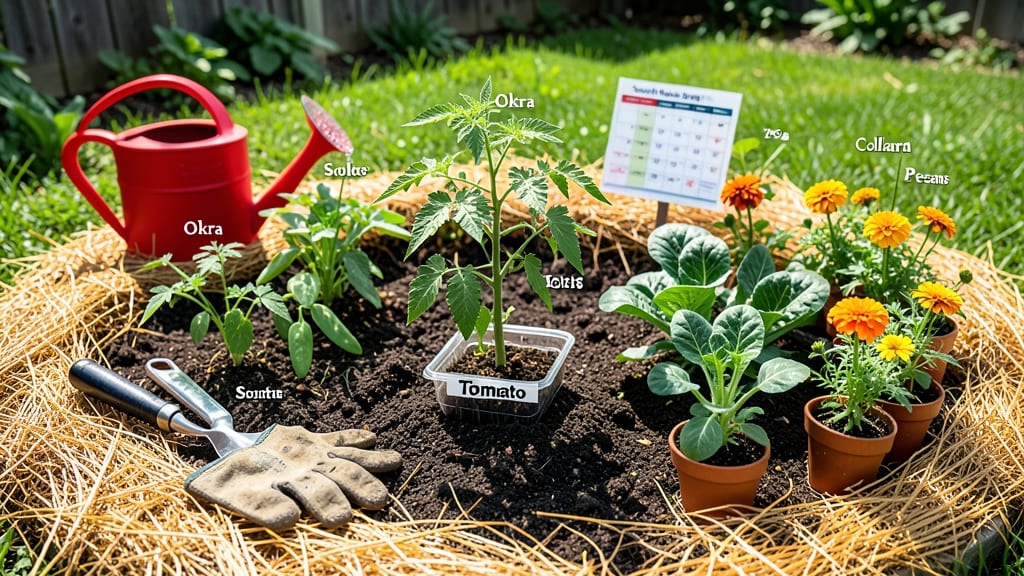
Timing your garden in South Carolina can make the difference between a thriving harvest and a sad pile of wilting plants. The state’s unique climate—with its humid summers and mild winters—means you’ve got a shorter window than you might think to get those seeds in the ground just right.
If you’ve ever stared at a seed packet wondering when to plant a garden in South Carolina or debated whether to risk an early spring sowing, you’re not alone.
The key lies in understanding your specific USDA zone (7A-8B) and avoiding common pitfalls like planting heat-sensitive crops too soon or ignoring soil moisture in sandy Lowcountry regions.
I’ll break down the best months for vegetables, flowers, and herbs—plus heat-tolerant varieties that actually thrive in SC’s summer heat. Whether you’re a beginner or a seasoned gardener, these insights will help you plan for success from early spring to late fall.
Ready to turn your garden dreams into reality? Let’s dive into the exact planting schedule tailored for South Carolina’s climate—so you can enjoy fresh produce all season long.
South Carolina planting calendar by Zone: best months for vegetables, flowers, and herbs
South Carolina’s USDA hardiness zones 7A-8B create a unique gardening timeline where cool-season crops thrive in early spring and fall, while heat-loving varieties dominate summer.
The state’s last spring frost typically occurs between March 15 (Zone 8B) and April 15 (Zone 7A), while the first fall frost arrives as early as October 15 (mountains) or as late as November 15 (coastal areas).
Understanding these frost-free windows is critical—planting cool-season crops like kale or broccoli too late risks bolting (premature flowering), while heat-sensitive tomatoes planted in June may suffer blossom drop from afternoon heat.
Let’s break down the ideal month-by-month planting schedule for each zone, including Southern favorites that perform best in SC’s climate.
| Zone & Month | Cool-Season Crops (❄️) | Warm-Season Crops (☀️) | Heat-Tolerant Stars | Fall Planting Tip |
|---|---|---|---|---|
| Zone 7A (Upstate: Greenville, Spartanburg) | Feb-Mar (spinach, peas), Sep-Oct (kale, carrots) | Apr-May (tomatoes, peppers), Jul-Aug (squash, beans) | Okra, sweet potatoes, collard greens | Mulch heavily by Oct 1 to extend harvest |
| Zone 7B (Piedmont: Columbia, Rock Hill) | Feb-Apr (lettuce, radishes), Sep-Nov (broccoli, cabbage) | Apr-Jun (cucumbers, eggplant), Jul-Sep (okra, black-eyed peas) | Malabar spinach, cowpeas, peanuts | Use row covers for early Sept plantings |
| Zone 8A (Midlands: Charleston, Florence) | Jan-Feb (peas, onions), Oct-Nov (turnips, mustard greens) | Mar-Apr (tomatoes), May-Jul (sweet corn, peppers) | Southern peas, watermelons, okra | Plant heat-tolerant greens (like Swiss chard) in Oct |
| Zone 8B (Coastal: Hilton Head, Savannah) | Jan-Mar (lettuce, radishes), Oct-Dec (cabbage, kale) | Feb-Apr (eggplant), May-Jun (squash, beans) | Peanuts, sweet potatoes, collard greens | Extend season with cold frames for Nov-Dec greens |
🌱 Pro Tip: Coastal areas (Zone 8B) can grow year-round greens with protection, while Upstate (Zone 7A) gardeners should focus on early spring starts.
In Zone 7A, where frosts linger longer, I recommend starting cool-season seeds indoors by late January for transplanting after last frost (typically mid-April).
For warm-season crops, wait until soil temperatures exceed 60°F—usually late April to early May. Okra and sweet potatoes are my go-to heat lovers here; they flourish when other plants wilt.
Moving to Zone 8B, the coastal Lowcountry’s longer frost-free season (average 240+ days) allows for two full vegetable cycles.
I plant spring greens in January and fall crops as late as November. Peanuts and southern peas thrive here with minimal fuss—just ensure well-draining soil to prevent rot in sandy areas.
For flowers and herbs, timing varies by type. Marigolds and basil can handle direct summer sun, while pansies and parsley prefer spring or fall planting. I’ve found that succession planting every 2 weeks for herbs like cilantro keeps them producing through summer’s heat.
One critical mistake I see in SC gardens? Planting tomatoes too early. They’ll stunt in cool soil. Instead, wait until after May 15 in most zones or use black plastic mulch to warm the soil faster. Similarly, cucumbers need consistent moisture—drought stress leads to bitter fruit.
To maximize your SC garden’s potential, align planting with moon phases (root crops like carrots planted on full moon for better harvests) and local rainfall patterns. Coastal areas get more humidity, so space plants wider to prevent fungal diseases like powdery mildew on squash.
🌿 For a foolproof schedule, mark your calendar with these key dates:
- Zone
Heat-tolerant varieties that thrive in South Carolina’s summer: what to plant in June-August
South Carolina’s summer heat (often hitting 90°F+) can wilt many gardeners’ dreams—but not all plants! The right heat-tolerant varieties thrive in these conditions, offering bountiful harvests even when temperatures soar.
My top picks for June-August planting include Southern staples and lesser-known winners that handle humidity and scorching sun with ease.
For vegetables, focus on crops like okra, sweet potatoes, and black-eyed peas, which not only survive but flourish in the heat. These plants have deep roots that access moisture and broad leaves that reduce water loss.
Even tomatoes and peppers (like 'Carolina Gold' tomatoes or 'Jupiter' bell peppers) perform exceptionally well when given proper care.
Don’t overlook herbs and greens that love the heat! Malabar spinach (a tropical relative of true spinach) and cowpeas are heat-lovers that produce abundantly. Even basil and cilantro can thrive in partial shade during peak afternoon heat, making them great additions to your summer garden.
🔥 Top 5 Heat-Tolerant Plants for SC Summers
- Okra – Thrives in 90°F+ with minimal water once established.
- Sweet Potatoes – Heat-hardy and drought-tolerant; plant slips in late May-June.
- Black-Eyed Peas – Fix nitrogen in soil and love hot, humid conditions.
- Malabar Spinach – A tropical green that stays crisp in the heat.
- Jupiter Peppers – Disease-resistant and productive in Zone 8B summers.
Succession planting is your secret weapon for continuous harvests during summer. Instead of planting all your beans or lettuce at once, stagger plantings every 2-3 weeks to ensure a steady supply. For example, sow bush beans in early June, then again in mid-July to enjoy fresh pods through August.
Watering strategies are critical during summer. Deep watering in the morning (before 9 AM) reduces evaporation and fungal risks. Use mulch (straw or pine needles) to retain moisture and keep roots cool. Avoid overhead watering in the evening, as damp foliage invites powdery mildew and other pests.
With these heat-tolerant varieties and smart techniques, your summer garden can be just as productive as your spring or fall plots—if not more so! The key is choosing the right plants and giving them the care they need to thrive under the South Carolina sun. 🌿