
Planting
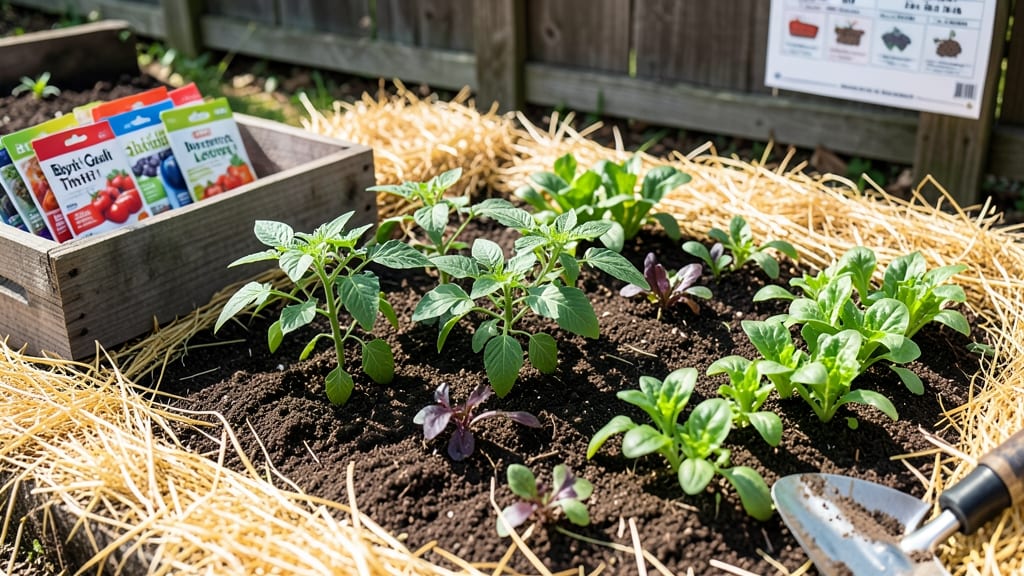
Timing when to plant a garden in Virginia isn’t just about following a calendar—it’s about dodging the 3 PM heat wave that turns your lettuce into bitter bolts or the early frost that freezes your tomatoes before they ripen.
With USDA Zone 7b’s unpredictable swings from 60°F mornings to 90°F afternoons, getting the schedule wrong can mean the difference between a harvest feast and a sad, wilted disappointment.
I’ve spent years watching my 🌱 General Garden Plants (Virginia) thrive—or fail—based on when they hit the soil. Whether you’re in the Piedmont’s rolling hills or the Coastal Plain’s warmer climes, the right planting window isn’t just a guess; it’s a science.
And once you master it, you’ll never second-guess your seed packets again.
This guide cuts through the confusion with exact deadlines for everything from spinach to peppers, tailored to Virginia’s microclimates. We’re talking March 15 for frost-sensitive crops in the mountains vs. April 1 for coastal areas where the ground warms faster.
Plus, I’ll show you how to adjust for your specific corner of the state—because what works in Charlottesville might flop in Norfolk.
Ready to stop playing gardening roulette? Let’s dive into the zero-bolt planting schedule that’ll have your garden producing like a pro—no more guesswork, just green thumbs and happy harvests.
Virginia’s USDA Zone 7b planting calendar: exact dates to avoid bolting and heat stress
Virginia’s USDA Zone 7b offers a 165-day growing season, but timing is critical—especially with unpredictable spring frosts and scorching summer heat. Plant too early, and your cool-season crops like lettuce bolt; plant too late, and tomatoes struggle to mature.
The key? Aligning your planting with soil temperatures, last frost dates, and heat tolerance of each crop.
For most of Virginia, the average last frost date falls between March 15 and April 15, but this varies by region. Coastal areas like Norfolk can be 2-3 weeks earlier, while mountain regions like Roanoke may see frost as late as April 30.
Warm-season crops like peppers and eggplants need soil temperatures above 60°F to thrive, while cool-season greens like kale and spinach handle light frosts.
Here’s your Virginia planting timeline broken down by crop type, with exact deadlines to maximize your harvest:
| Crop Type | Planting Window | Soil Temp Requirement | Key Deadlines | Notes |
|---|---|---|---|---|
| Cool-Season Vegetables | Feb 15 – April 15 | 45–65°F | Last frost (March 15–April 15) | Spinach, broccoli, cabbage |
| Warm-Season Vegetables | April 15 – June 15 | 60–70°F | After last frost, before July heat | Tomatoes, peppers, beans |
| Fall Planting (Cool-Season) | Aug 1 – Sept 15 | 50–60°F | 6–8 weeks before first frost | Kale, carrots, radishes |
| Perennials & Flowers | March 1 – May 15 | 50–65°F | Before buds form (spring) | Daylilies, coneflowers, lavender |
For warm-season crops, wait until the soil reaches 60°F—use a soil thermometer to check. If your spring is unusually cold, opt for heat-tolerant varieties like ‘Heatmaster’ tomatoes or ‘Jalapeño M’ peppers, which handle Virginia’s 90°F+ summers better than standard types.
Pro tip: Succession planting extends your harvest. Sow bush beans every 2 weeks from April to July, and lettuce every 3 weeks in fall for continuous yields. This works especially well in Virginia’s longer coastal growing seasons.
Don’t forget fall planting! Cool-season crops like spinach and radishes thrive when sown in late summer. Aim for a 6–8 week growth window before the first frost—typically October 15–November 15—to avoid bolting or freezing.
If you’re in higher elevations (e.g., Blue Ridge Mountains), your growing season shrinks. Start cool-season crops indoors in February and use row covers to extend spring planting. For low-lying coastal areas, watch for humidity-related diseases—space plants wider and water at soil level to prevent fungal issues.
Mark your calendar: The critical window for warm-season crops is April 15–May 15. After that, the heat sets in, and even heat-loving plants like okra and sweet potatoes struggle. Use shade cloth to protect seedlings if temperatures exceed 85°F.
🌱
How to adjust planting times for Virginia’s microclimates: coastal vs. mountain deadlines
Virginia’s diverse geography creates microclimates that can shift planting deadlines by weeks—or even months. The Coastal Plain enjoys a longer growing season, while Appalachian Mountain gardens face shorter windows and cooler temperatures. Understanding these differences helps you avoid heat stress in lowlands or early frost damage in highlands.
For example, Norfolk’s coastal zone (Zone 8a) can safely plant tomatoes as early as mid-March, while Roanoke’s Piedmont (Zone 7b) waits until mid-April. Meanwhile, Blacksburg’s mountains (Zone 6b) often delay planting until late April to avoid late frosts.
These variations mean your neighbor’s successful harvest might be your failed crop if you don’t adjust.
🌡️ Virginia Microclimate Planting Adjustments
| Region | USDA Zone | Last Frost | First Frost | Adjustment Tip |
|---|---|---|---|---|
| Coastal Plain | 8a | March 1-15 | November 15-30 | Plant heat-loving crops (peppers, okra) by March 20. |
| Piedmont | 7b | March 15-30 | October 15-30 | Wait until April 15 for tomatoes; use row covers. |
| Appalachian Mountains | 6b | April 15-30 | October 1-15 | Start cold-hardy crops (kale, peas) by March 1. |
In low-lying areas like the Tidewater region, flood risks can delay spring planting. Monitor soil temperature—it should reach 60°F for warm-season crops like squash and beans. Use a soil thermometer to avoid planting too early when soils are still cold.
For high-altitude gardens, focus on short-season varieties of corn or potatoes that mature in 90 days or less. Extend your season with cold frames or hoop houses, which can add 4-6 weeks to your growing window.
In Zone 6b, this might mean harvesting green beans by early October instead of November.
Don’t overlook urban microclimates either. A south-facing wall can warm soil by 5-10°F, letting you plant peppers two weeks earlier. Conversely, shaded areas may require slow-growing varieties or container gardening to compensate for less sunlight.
Pro tip: Check the Virginia Cooperative Extension’s frost maps annually—they update last frost dates based on recent climate trends. With these adjustments, you’ll maximize your harvest regardless of whether you’re gardening near the Chesapeake Bay or the Blue Ridge Mountains. 🌿