
Plants
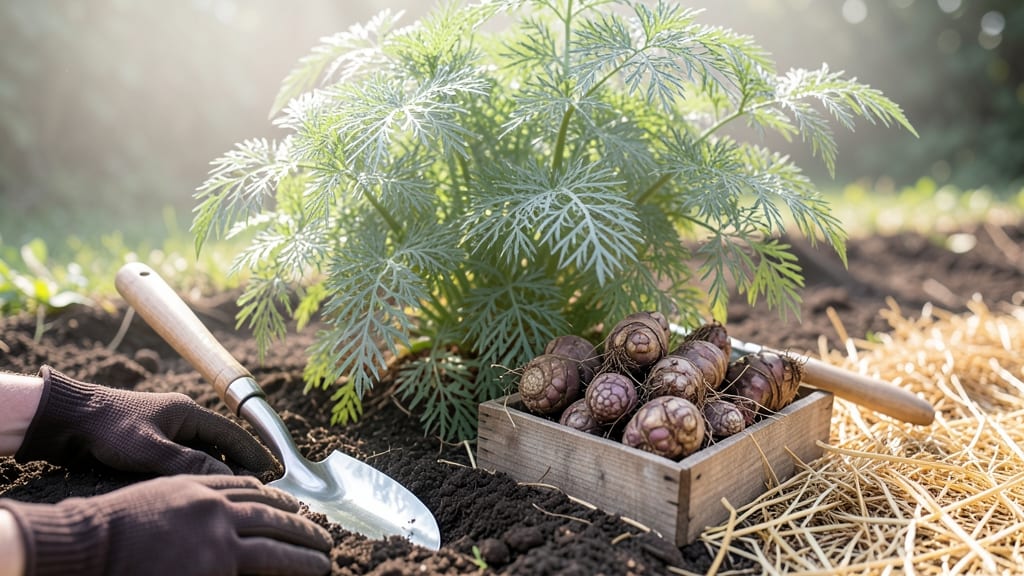
Timing your asparagus planting in Illinois wrong could mean waiting three years before your first harvest—these perennials are patient, but they won’t wait forever for the perfect conditions.
In zones 5-6, where frosts linger until mid-April, planting too early risks crown rot, while waiting too long stunts root growth before winter.
I’ve grown asparagus in Illinois for over a decade, and the sweet spot is early spring—between March 15 and April 15—when soil temperatures hit 50°F and stay there.
This window lets crowns establish roots before summer heat arrives, setting you up for plentiful spears in years two and three. But here’s the catch: Northern Illinois (like Chicago) needs to plant two weeks later than Southern Illinois (like St. Louis) to avoid late frosts.
What most gardeners miss? Soil prep matters just as much as planting dates. Amending heavy clay soil with compost in fall—not spring—gives roots a head start.
And if you’re tempted to plant in fall, think again: Asparagus crowns need active growth to survive winter, which isn’t possible after September 1 in Illinois’ climate.
Ready to avoid the common mistakes that kill asparagus yields? I’ll walk you through the exact frost-free deadlines for your zone, soil tests to run before planting, and how to adjust if Mother Nature throws you a curveball—like an early frost or wet spring.
Let’s get those crowns in the ground the right way.
Illinois asparagus planting deadlines by hardiness Zone (with frost risk analysis)
Asparagus thrives in Illinois' USDA Zones 5-6, but getting the timing right means the difference between a bountiful harvest in 2-3 years and waiting 5+ years for spears.
The key is planting when soil temperatures hit 50°F (10°C)—typically mid-March to early April—but this shifts based on your exact location and whether you're using crowns or seeds.
Northern Illinois (Zone 5) has earlier frost risks than southern Illinois (Zone 6), so adjust your schedule accordingly. For example, Chicago-area gardeners should aim for March 20-April 10, while St. Louis gardeners have until April 15 without worrying about late frosts.
Crowns (the preferred method) need 6-8 weeks to establish roots before summer heat arrives.
Here’s the critical window broken down by zone, including soil temperature requirements and frost risk analysis to help you avoid common mistakes:
| Zone | Ideal Planting Window | Soil Temp Requirement | Frost Risk | Notes |
|---|---|---|---|---|
| Zone 5 (Northern IL) | March 20 - April 10 | 50°F (10°C) | High (last frost: April 15) | Use row covers if planting early; avoid after April 10. |
| Zone 5b (Central IL) | March 25 - April 15 | 50°F (10°C) | Moderate (last frost: April 20) | Flexible window; monitor soil temps closely. |
| Zone 6 (Southern IL) | April 1 - April 20 | 50°F (10°C) | Low (last frost: April 25) | Can plant slightly later; less frost risk. |
🌱 Pro Tip: Test soil temps with a soil thermometer—plant only when it consistently reads 50°F+ for 3+ days.
For crown planting (the fastest method), dig a trench 6-8 inches deep and lay crowns horizontally with roots facing down. Space them 12-18 inches apart in rows 3 feet apart to allow for future spear growth.
If you’re planting seeds (slower but cheaper), start them indoors 8-10 weeks before your last frost date and transplant seedlings after soil warms.
One common mistake Illinois gardeners make is planting too early when soil is still cold or too late when summer heat arrives. Early planting risks frost damage to tender roots, while late planting means spears won’t mature until the next year.
Aim for 6-8 weeks before your area’s average last frost date—this gives roots time to establish before summer stress sets in.
If you’re in northern Illinois and experience a late frost after planting, protect your asparagus with frost cloth or a mini greenhouse.
Southern Illinois gardeners can push the window slightly later, but avoid planting after April 20 in Zone 5 or April 25 in Zone 6, as roots won’t have enough time to harden off before winter.
Another critical factor is soil preparation. Asparagus hates soggy soil, so amend your beds with compost and sand to improve drainage. Test your soil’s pH—ideal levels are 6.5-7.5.
If your soil is too acidic, add lime in the fall before planting. Too alkaline? Mix in sulfur or peat moss.
Remember, asparagus is a perennial, meaning it will produce spears for 10-15 years if planted correctly.
But the first 2 years are all about building roots—you’ll see no harvest in Year 1 and only a few spears in Year 2. Patience pays off: by Year 3, a well-timed planting can yield up to 20 lbs per plant!
For fall planting (a lesser-known but viable option in Illinois), plant crowns in late summer (August-September) so roots establish before winter. This method works best in Zone 6 where winters are milder. Just be sure to mulch heavily to protect roots from freezing.
5 Critical signs your Illinois asparagus planting timing is wrong (and how to fix it)
Asparagus thrives when planted at the right time, but Illinois' unpredictable spring frosts and wet soils can throw off even the most careful gardeners. If your asparagus crowns aren’t establishing properly, these 5 warning signs will help you diagnose timing mistakes before it’s too late.
First, check for stunted fronds—if your plants grow only 6-12 inches tall by mid-summer, they likely didn’t get enough root-establishment time before warm weather. This often happens when planting too late in spring or after a cold snap delays growth.
Yellowing or wilting foliage by early June is another red flag. This usually means the crowns were planted in waterlogged soil (common in Illinois’ clay-heavy areas) or didn’t have time to develop strong roots before summer heat arrived. Amend soil with compost and sand to improve drainage immediately.
🌱
Cause: Late planting or frost delay
Cause: Waterlogged soil or weak roots
Cause: Crowns planted too deep/shallow
Cause: Fall planting in wet soil
Cause: Over-fertilized or stressed roots
If your asparagus never produces spears in the first 2 years, the crowns were likely planted too deep (below 8 inches) or too shallow (above 6 inches).
Dig up one crown to check—roots should be white and firm, not brown or mushy. Replant corrected-depth crowns in well-drained beds with 12–18 inches between plants.
For northern Illinois gardeners (Zone 5), fall planting is a common mistake—crowns planted in September or October often rot over winter due to excess moisture. Always plant asparagus in early spring (March–April) when soil temps reach 50°F consistently. Use a soil thermometer to confirm.
Finally, if your spears emerge woody or fibrous, your plants are stressed from poor timing or over-fertilization. Reduce nitrogen next season and focus on root health with compost tea or mycorrhizal fungi. Stop harvesting by mid-July to let foliage replenish energy for next year’s crop.
✂️
🌿