
Plants
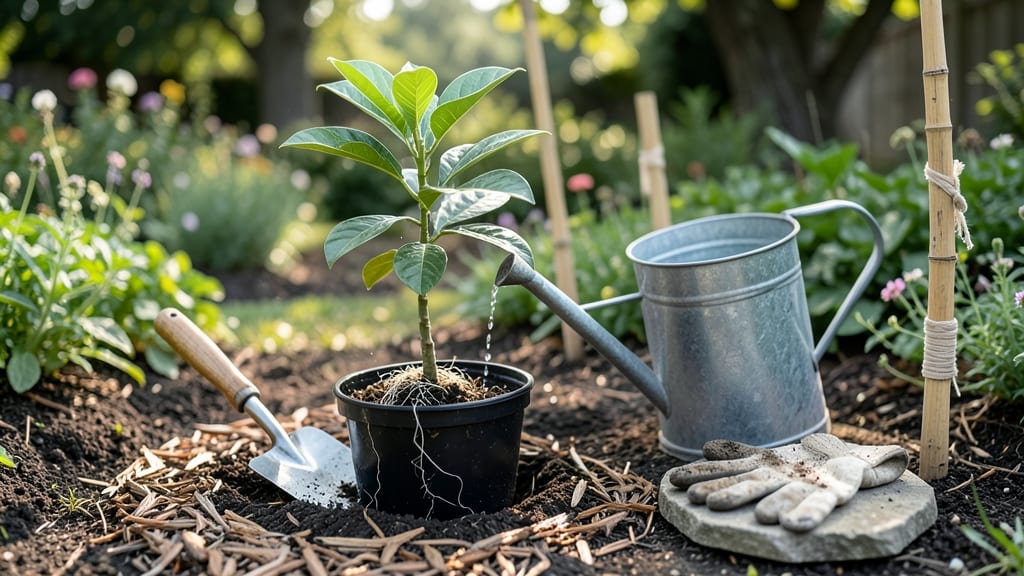
Timing when to plant an avocado tree in the ground just right could mean the difference between a lush, fruit-bearing tree and one that struggles to survive. These tropical beauties—like our 🥑—hate cold snaps, so getting them in the ground at the perfect moment is everything.
Most gardeners in USDA Zones 7-11 know spring is the golden window, but the exact moment depends on your local climate. Too early, and frost will zap your sapling; too late, and it won’t establish roots before summer heat hits.
I’ll break down the ideal soil temps and zone-specific cues so you never guess again.
Whether you’re planting directly in the ground or transitioning a potted avocado, the rules change slightly. We’ll cover how to prep your soil, spot the signs of readiness, and avoid the 3 biggest mistakes that kill young trees before they even take root.
Ready to turn your backyard into avocado paradise? Let’s dive into the exact timing—and care steps—you need for a thriving tree that’ll reward you with fruit for years.
Best planting times for avocado trees by USDA hardiness Zones
Avocado trees (Persea americana) thrive in warm climates, but their planting window varies dramatically depending on your USDA hardiness zone. In Zones 10-11, you can plant year-round, while gardeners in Zone 9 must time their transplant carefully to avoid frost damage.
For Zone 8 and cooler, only spring planting works—any later risks stunted growth or death from cold snaps.
Microclimates matter too! Coastal areas in Zone 9 may have milder winters, allowing fall planting, while inland regions should stick to March-May. Always check your last frost date—avocados cannot tolerate frost at any stage.
Below, I’ve broken down the ideal planting windows by zone, including frost risk analysis and regional adjustments.
⚠️ PRO TIP: Use a soil thermometer to confirm temps are above 60°F before planting—this is non-negotiable for root establishment.
🌱 SUMMARY TABLE: AVOCADO PLANTING BY ZONE
| Zone | Best Planting Window | Frost Risk | Soil Temp Requirement | Regional Adjustments |
|---|---|---|---|---|
| Zones 10-11 | Year-round (avoid heavy rains) | None | 60-85°F | Coastal areas: Fall planting OK |
| Zone 9 | March-May or Sept-Nov (coastal only) | Light frost possible in winter | 65-80°F | Inland: Spring only |
| Zone 8 | April-May (after last frost) | Moderate frost risk | 70-85°F | Use frost cloth for young trees |
| Zone 7 | Late May-June (container-grown only) | High frost risk | 75-85°F | Grow in pots; move indoors in winter |
In Zones 10-11, where frost is rare, you can plant anytime—just avoid heavy rainfall periods to prevent waterlogged soil. However, spring planting (March-May) still gives roots time to establish before summer heat.
For Zone 9, coastal gardeners might squeeze in a fall transplant (Sept-Nov), but inland areas should wait until March-April to avoid winter chills.
Gardeners in Zone 8 face higher risks—plant only after your last frost date, typically mid-April to May. If you miss this window, your tree may struggle to recover. For Zone 7, forget in-ground planting unless you’re committed to container culture with winter protection.
Even then, only late May-June works, and you’ll need to move pots indoors when temps drop below 50°F.
Microclimates can shift these windows by 2-4 weeks. A south-facing slope warms faster than a north-facing yard, so adjust accordingly. Always monitor soil temperature—roots won’t establish if it’s below 60°F, no matter the calendar date.
If you’re in a transition zone (e.g., Zone 8b/9a), err on the side of late spring planting. Young trees are most vulnerable to cold stress in their first year, so give them every advantage.
For example, in San Diego (Zone 10), I’ve planted in December with success, but in Arizona’s Phoenix (Zone 9a), I wait until March to avoid unexpected cold snaps.
🌡️ KEY TAKEAWAY: The soil temperature, not the air temperature, determines success. Use a soil thermometer to confirm readiness—this beats guessing by calendar dates alone.
Soil temperature and moisture requirements for avocado transplant success
Avocado trees are tropical at heart and demand warm soil to thrive after transplanting. The ideal soil temperature for planting ranges between 60-85°F—any cooler, and your tree risks transplant shock or even death.
In colder zones, waiting for soil to warm naturally can mean delaying planting until late spring or early summer.
To test soil readiness, use a soil thermometer buried 4 inches deep. If the temperature dips below 60°F, hold off on planting.
In warmer climates like Zones 9-11, you can plant as early as February, but in Zones 7-8, aim for May or June when frost risk has passed.
Moisture is just as critical as temperature. Avocado trees prefer well-draining soil but need consistent moisture during their first 6-8 weeks post-transplant. Overwatering is a common mistake—soggy roots lead to rot, while dry soil stresses the tree. Aim for deep watering 2-3 times per week until established.
- Too Early: Frost kills tender roots—avocados cannot tolerate temps below 32°F.
- Too Late: Delaying past July in warm zones reduces root growth before winter.
- Signs of Stress: Yellowing leaves, wilting, or stunted growth mean it’s time to adjust.
Amend your soil with compost or aged manure to improve drainage while retaining moisture. A pH of 6.0-7.0 is ideal—test your soil with a home kit before planting.
If your soil is too acidic, add lime; if alkaline, mix in sulfur. Mulching with wood chips helps regulate soil temperature and retain moisture.
After planting, monitor soil moisture by checking 1-2 inches deep with your finger. If it’s dry, water deeply until moisture reaches 6 inches down. Avoid wetting the leaves to prevent fungal diseases like root rot. In container gardens, reduce watering slightly—potted soil dries faster but also drains quicker.
Remember, avocado trees are slow to establish—rushing the process by planting in cold soil or skipping soil prep sets them up for failure.
Patience pays off: a well-timed transplant in warm, moist soil gives your tree the best chance to grow strong and bear fruit for years to come. 🌱💧☀️