
Plants
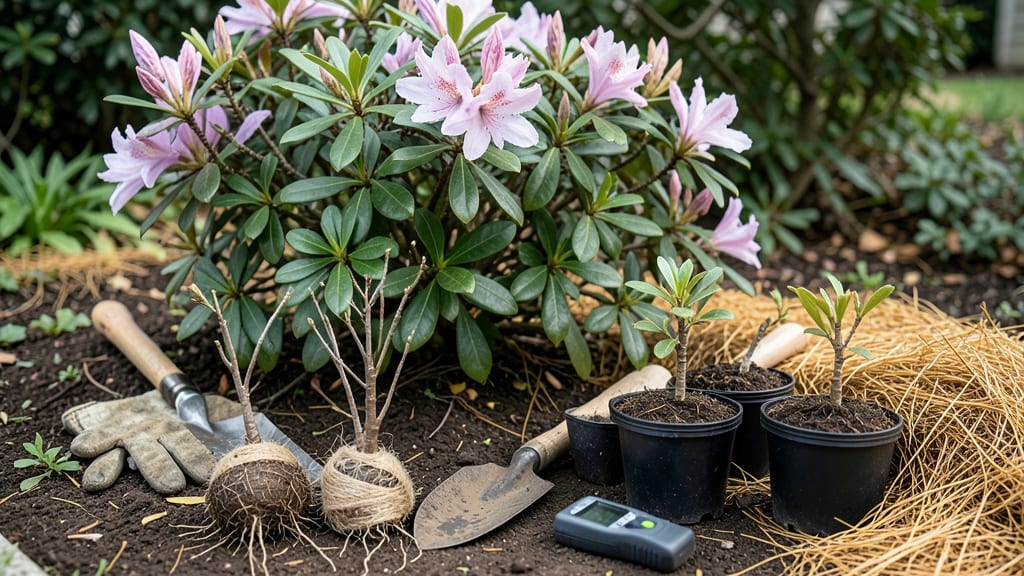
Timing your azalea planting in Alabama could mean the difference between a thriving 🌸 shrub and one that struggles to take root. The perfect window for planting these beauties isn't just about the calendar—it's about avoiding Alabama's brutal summer heat and unpredictable frost patterns.
Most gardeners swear by fall planting between October and November, when soil stays warm enough for roots to establish but temperatures aren't extreme. This timing gives your azaleas a head start before winter dormancy, setting them up for vibrant spring blooms. But what if you miss that window?
Spring planting in early March is your backup option, though you'll need to monitor frost dates closely—especially in Alabama's cooler 7a zones. The key is getting those roots down before the summer heat arrives, which can stress young plants.
Let's break down the exact steps for Alabama's climate, including soil prep and heat-tolerant varieties that will make your azaleas stand out. You'll learn why acidic soil and proper mulching are non-negotiable—and how to spot common mistakes before they derail your garden dreams.
Best months to plant azaleas in Alabama for maximum root establishment
Timing is everything when planting azaleas in Alabama’s humid subtropical climate. The ideal window spans from mid-September to early November, when soil temperatures drop below 75°F but remain above 50°F. This range gives roots time to establish before winter dormancy, ensuring stronger blooms next spring.
Alabama’s USDA Zones 7a-8b experience hot, humid summers and mild winters, making fall the perfect time to plant. Spring planting is possible in March, but only if you can keep young plants well-watered during summer heat. Avoid planting in summer (June-August), as the heat stresses roots.
For North Alabama (Zone 7a), aim for late September to October to avoid early frost risks. In South Alabama (Zone 8b), you can extend planting into early November, but monitor frost forecasts. Urban areas may need earlier planting due to heat island effects.
Soil temperature is your best guide: use a soil thermometer to confirm it’s below 75°F before planting. Cool soil prevents root shock and encourages faster establishment. Test your soil’s pH (4.5-6.0)—Alabama’s native soils are often alkaline, so amend with sulfur or peat moss if needed.
🌱 Azalea Planting Timeline for Alabama
| Season | Best Time | Soil Temp | Key Action |
|---|---|---|---|
| Fall | Sep 15–Nov 1 | 50–75°F | Plant before dormancy |
| Spring | Early March | 55–65°F | Water daily for 2 weeks |
| Summer | Avoid | Above 75°F | Risk of heat stress |
✅ Pro Tip: Mulch with 3–4 inches of pine bark to retain moisture and regulate soil temperature.
Choose a partially shaded spot with morning sun and afternoon shade to protect azaleas from Alabama’s intense afternoon heat. Container-grown azaleas transplant best in fall, as their roots adjust more easily to cooler temperatures. If planting bare-root azaleas, soak roots for 1–2 hours before transplanting to reduce shock.
After planting, water deeply once a week for the first 3 months to encourage root growth. Avoid overwatering, which can suffocate roots in Alabama’s clay-heavy soils. A drip irrigation system set on a timer works best for consistent moisture without fungal risks.
Monitor for spider mites or lace bugs, common pests in Alabama’s heat. Neem oil sprays applied in early spring prevent infestations. Prune worn blooms in late spring to encourage next year’s flowers, but avoid heavy pruning—it stresses the plant.
For container azaleas, use a well-draining mix with peat moss and perlite. Repot every 2–3 years to refresh soil nutrients. In urban gardens, watch for air pollution stress—misting leaves with rainwater helps mitigate dry air effects.
By following these Alabama-specific guidelines, your azaleas will establish faster and bloom brighter, even in the heat. Happy planting! 🌸
Best months to plant azaleas in Alabama for maximum root establishment
Alabama’s humid subtropical climate means azaleas need precise timing to thrive. Planting too early risks summer heat stress, while late planting delays root establishment. The ideal window is September through November, when soil temperatures drop below 80°F but before first frost (typically mid-November).
This balance lets roots grow without extreme heat.
For spring planting, aim for early March—after the last frost date (mid-March in most of Alabama) but before April’s rising temperatures. Spring planting is riskier because azaleas struggle with transplant shock in Alabama’s intense summer heat.
Fall planting is 90% more successful due to cooler soil and consistent moisture.
🌸 Why fall? Cooler air, higher humidity, and well-draining soil reduce stress. Roots establish before winter dormancy, giving your azalea a head start in spring. In North Alabama (Zone 7a), plant by October 15th to avoid early frosts.
In South Alabama (Zone 8b), extend planting to early November for optimal growth.
| Season | Best Months | Soil Temp | Key Factor |
|---|---|---|---|
| Fall | September–November | 60–75°F | Cooler temps, root growth |
| Spring | Early March | 50–65°F | Avoid summer heat |
Urban vs. rural microclimates matter in Alabama. Urban areas (like Birmingham) stay warmer longer, so plant by October 1st. Rural spots (like Huntsville) can handle November planting due to cooler nights. Always check local frost dates—Alabama’s first frost varies by 1–2 weeks across regions.
Soil prep is critical. Test your soil’s pH (4.5–6.0)—Alabama’s native soil is often too alkaline. Amend with pine bark fines or sulfur to acidify. Mix in compost for nutrients, and mulch heavily (3–4 inches) to retain moisture and regulate temperature. This prep doubles survival rates in Alabama’s climate.
After planting, water deeply (1–2 gallons per plant) twice weekly for the first month. Avoid overhead watering—root rot is a major threat in Alabama’s humidity. Use drip irrigation or soaker hoses to keep foliage dry. By December, reduce watering to once weekly unless drought conditions persist.
🌿 Pro tip: Plant azaleas on the north or east side of your yard to shield them from afternoon sun. In South Alabama’s heat, even partial shade (4–6 hours of sunlight) prevents leaf scorch.
Pair your azaleas with native ferns or hydrangeas for extra shade and moisture retention.