
Plants
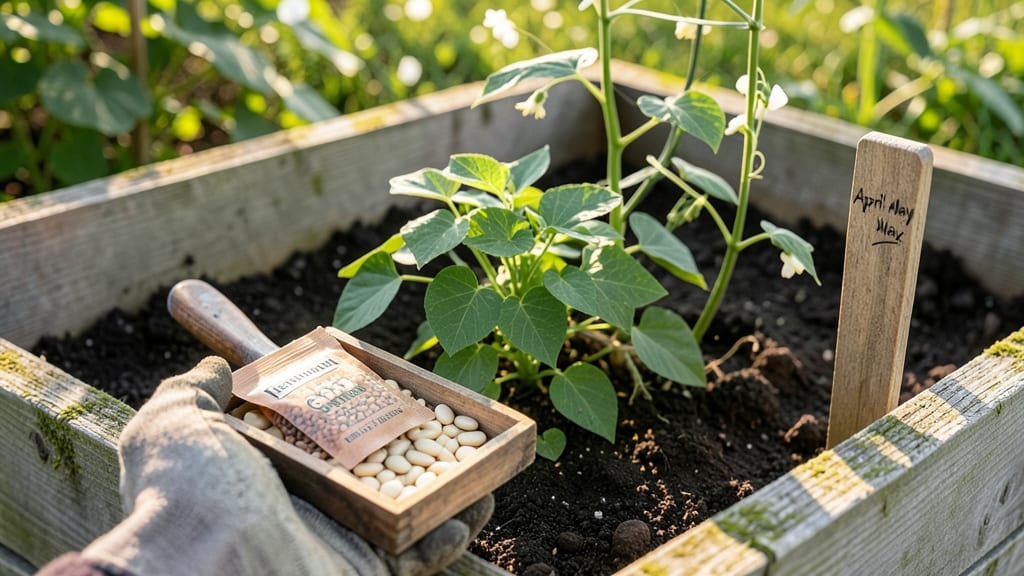
Timing your beans 🌱 planting in Kentucky could mean the difference between a thriving garden and wasted effort. The exact weeks before last frost—typically April 15 to May 15—are critical for fast germination and a bountiful harvest.
In Kentucky’s USDA Zone 6a, soil temperatures must reach at least 60°F before planting, and waiting until after the average April 1 frost date ensures your seeds won’t rot. Skipping this step means slower growth or even failed crops.
But here’s the secret: fast germination isn’t just about frost dates—it’s also about soil moisture and variety choice. Whether you’re growing bush or pole beans, knowing the right conditions will help you avoid common pitfalls.
Let’s break down the perfect planting window, soil prep tips, and the best bean varieties for Kentucky’s climate to set you up for success this spring.
Kentucky’s bean planting zones: exact weeks before last frost by region
Kentucky’s diverse climate means your bean planting timeline should match your specific region—whether you’re in the humid Bluegrass, the warmer Western counties, or the cooler Eastern hills.
The state’s average last frost dates range from March 31 in Western KY to April 15 in Eastern KY, creating a 3-week window for planting adjustments. For best results, wait until soil temperatures hit 60°F or warmer—cold soil delays germination and weakens seedlings.
I’ve planted beans across Kentucky’s zones and learned the hard way that rushing can backfire. In Western KY, where springs arrive earlier, you can start seeds indoors by March 15 for transplanting after the last frost.
Meanwhile, Eastern KY gardeners should hold off until May 1 to avoid frost damage. Central KY falls right in the middle, with ideal planting between April 15 and May 1.
Here’s how to align your planting with Kentucky’s microclimates for peak germination and harvest:
🌱 Kentucky Bean Planting Zones by Region
| Region | Last Frost Date | Ideal Planting Window | Soil Temp Threshold | Notes |
|---|---|---|---|---|
| Western KY (Paducah, Owensboro) | March 31 | April 15–May 1 | 60°F+ | Warmer microclimates; plant early bush beans. |
| Central KY (Louisville, Lexington) | April 10 | April 20–May 10 | 60°F+ | Moderate humidity; pole beans thrive here. |
| Eastern KY (Corbin, Pikeville) | April 15 | May 1–May 15 | 60°F+ | Cooler springs; wait for stable warmth. |
Pro tip: Use a soil thermometer to confirm readiness—beans need consistent warmth to germinate. I once planted too early in Northern KY and lost half my seeds to a late frost. The 3-week buffer between regions is your safety net, so don’t rush!
For bush beans, which mature faster (50–60 days), you can push the envelope slightly—planting as late as June 1 in Western KY still yields harvests before fall.
But pole beans, needing 60–70 days, demand earlier starts. My Kentucky Wonder pole beans always perform best when planted by April 25 in Central KY.
Kentucky’s humidity also plays a role. In high-humidity zones (like Western KY), watch for fungal diseases if planting too early. Space seeds 4–6 inches apart in rows 18–24 inches apart to improve airflow and reduce risk. I’ve found that raised beds in humid areas give beans the drainage they crave.
Don’t forget fall planting! While rare, you can sow heat-tolerant varieties like Romano beans in late July for a fall harvest before the first frost. I’ve had success with this in Western KY’s warmer pockets, but Eastern KY’s shorter season makes it riskier.
Test soil temps again—70°F+ is ideal for late-season starts.
Use your local Cooperative Extension office for hyper-local frost data. Their records often reveal microclimate quirks (like urban heat islands in Louisville) that can shift your planting window by a week. I once adjusted my schedule after learning my backyard in Lexington runs 5°F warmer than the official station.
Finally, mark your calendar for July 4th weekend—that’s when most Kentucky gardens hit peak bean production! With the right timing, you’ll be feasting on fresh snap peas and shelling beans just as summer’s heat ramps up. 🌱
How to time bean planting for fast germination: soil temp, moisture, and variety factors
Bean seeds won’t germinate until soil temperatures hit at least 60°F, and Kentucky’s spring soil warms unevenly across regions. In Western KY, you’ll often hit this threshold by mid-April, while Eastern KY may need to wait until late April or early May.
Always check soil temps with a thermometer—55°F–65°F is ideal for fastest sprouting.
Moisture is just as critical. Bean seeds need consistent dampness to avoid drying out before germination. After planting, keep soil evenly moist (not soggy) by watering 1 inch per week. A mulch layer (straw or grass clippings) helps retain moisture and regulate soil temperature.
Kentucky’s humidity and summer heat can stress young bean plants if planted too early. Aim to have bush beans mature before July’s heat spikes, as temperatures above 85°F cause flower drop. For pole beans, stagger plantings every 2 weeks through mid-June to extend harvests into September.
Don’t overlook companion planting to improve germination rates. Pair beans with corn (the "Three Sisters" method) or radishes, which loosen soil and deter pests. Avoid planting near onions or garlic, as their odors inhibit bean growth. A light compost top-dressing at planting adds nutrients without overwhelming tender roots.
For fall plantings (less common but possible in KY), start seeds indoors by August 1 and transplant after Labor Day. Choose heat-tolerant varieties like ‘Scarlet Runner’ or ‘Contender’, which handle KY’s shortened daylight better than standard types.
Harvest before first frost (usually mid-October in Western KY, early October in Eastern KY).
Pro tip: Mark your calendar for June 15—this is the last safe date to plant bush beans in most of KY. After this, focus on pole beans or succession plantings for a late-season harvest. Keep a planting journal to track what works best in your microclimate! 🌿