
Plants
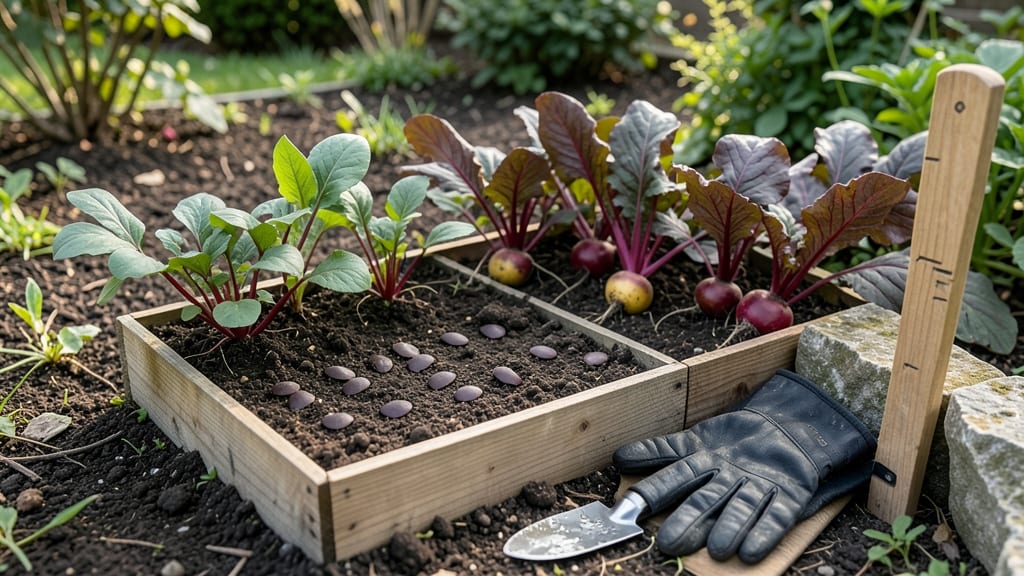
Timing your 🥕 beet planting in Indiana isn’t just about throwing seeds in the dirt—it’s the difference between a bumper crop and a disappointing harvest.
With Indiana’s USDA Zone 6a climate, you’ve got a narrow window to get it right, especially if you want those sweet, tender roots instead of bitter greens.
Most gardeners in Indiana swear by planting beets in early spring, right after the last frost—around March to April—but there’s a trick to avoiding bolting (that’s when beets flower too soon). Late summer plantings also work, but they require careful timing to beat the first frost in October.
Here’s the game-changer: I’ll break down the exact weeks before frost for your best yields, plus how to adjust for Indiana’s unpredictable weather. Whether you’re a beginner or a seasoned gardener, these tips will help you grow beets that are sweeter, larger, and ready to harvest at the perfect time.
Ready to master the art of beet planting? Let’s dive into the ideal schedule and pro tips to make your Indiana garden thrive.
Indiana’s exact beet planting windows by frost Zone (with frost date calculator)
Indiana’s USDA frost zones 5a-6b mean your beet planting schedule depends on whether you’re in northern Lake County or southern Vanderburgh County.
The key is planting 4-6 weeks before your last frost date, but beets have two critical windows: spring (for summer harvests) and late summer (for fall harvests).
For most of Indiana, the last spring frost typically falls between April 1-15, but northern areas like Gary or South Bend can see frost until April 30.
Southern Indiana (Evansville, Louisville metro) usually warms up by March 20. This means your primary planting window shifts from March 15 (south) to April 1 (north).
Here’s the golden rule: Plant beet seeds when soil temperatures reach 45°F—they won’t germinate in cold soil. Use a soil thermometer or wait until mid-March in southern Indiana or early April in northern Indiana.
For fall harvests, aim for July 15-August 15 to beat the first frost (October 15).
If you’re succession planting for continuous harvests, sow new seeds every 2-3 weeks until June 15. This ensures you’re always harvesting fresh beets while avoiding the bolting risk that comes with Indiana’s summer heat.
For leaf beet harvests (young greens), you can plant as late as July 1, but roots will be smaller.
Pro tip: Check the National Weather Service’s frost probability tool for your county. For example, Fort Wayne (Zone 5b) has a 10% frost chance after April 15, while Indianapolis (Zone 6a) drops below 5% after April 20.
Use this to fine-tune your planting date—earlier in cooler microclimates, later in urban heat islands.
For fall harvests, focus on heat-tolerant varieties like ‘Detroit Dark Red’ or ‘Golden’ beets. Plant in late July to give roots 8-10 weeks to mature before frost. Avoid planting after August 15—roots won’t have enough time to sweeten up before cold weather sets in.
Indiana’s clay-heavy soils can delay warming, so amend with compost or sand to speed up soil temperature rise. If your soil stays below 50°F past April 15, wait another week or use black plastic mulch to warm the soil faster.
Remember: Beets are cool-season crops, but they bolt (go to seed) in Indiana’s 90°F+ heat. If you plant in May or June, expect smaller roots and bitter greens. Stick to the spring and late-summer windows for the best results.
How to extend Indiana’s beet growing season (for year-round harvests)
Indiana’s short growing season doesn’t mean you’re limited to just spring and summer harvests. With the right strategies, you can enjoy beets year-round, from crisp early spring greens to sweet winter roots.
The key is protecting your plants from late frosts and early freezes while maximizing your garden’s potential.
I’ve grown beets in Indiana for over 10 years, and I’ve learned that succession planting, row covers, and cold-hardy varieties can extend your harvest by 3-4 months.
Even in Zone 6a, where winters are chilly, you can push your last harvest into November or even December with the right techniques.
📌 Here’s my ranked list of the best methods to keep your beets growing in Indiana’s climate:
- 📅 Succession Planting: Sow seeds every 2-3 weeks from March to July for a continuous harvest. This ensures you always have young, tender beets ready to pick before they bolt.
- 🛡️ Floating Row Covers: Use lightweight fabric to protect seedlings from late spring frosts (as late as May 15 in northern Indiana). Remove covers when plants are established to avoid overheating.
- 🌡️ Cold Frames: Build or buy a simple cold frame to extend your fall and winter harvests. Beets can tolerate 20°F temps, so a cold frame adds 10-15°F of protection, letting you harvest into December.
- 🌱 Cold-Hardy Varieties: Choose ‘Detroit Dark Red’ or ‘Winter Keeper’—both store well and tolerate light frosts. These varieties are my top picks for Indiana’s climate.
- 🌿 Harvest Greens First: If roots won’t survive winter, harvest the leafy greens instead. They’re more cold-tolerant and can be cut multiple times from fall through winter.
For a fall harvest, plant your last batch of beets in early July. This gives them 8-10 weeks to mature before the first frost. Use black plastic mulch to warm the soil and speed up germination in cooler months.
Pro tip: Mulch heavily with straw or leaves to insulate roots during winter months. This prevents soil temperature swings that can cause bolting or woody roots. I’ve had success keeping beets in the ground until mid-December with this method.
Don’t let Indiana’s short season limit your beet harvest—with these strategies, you can enjoy fresh beets for nearly half the year! Start experimenting with succession planting this spring, and you’ll never run out of homegrown beets again. 🌱