
Plants
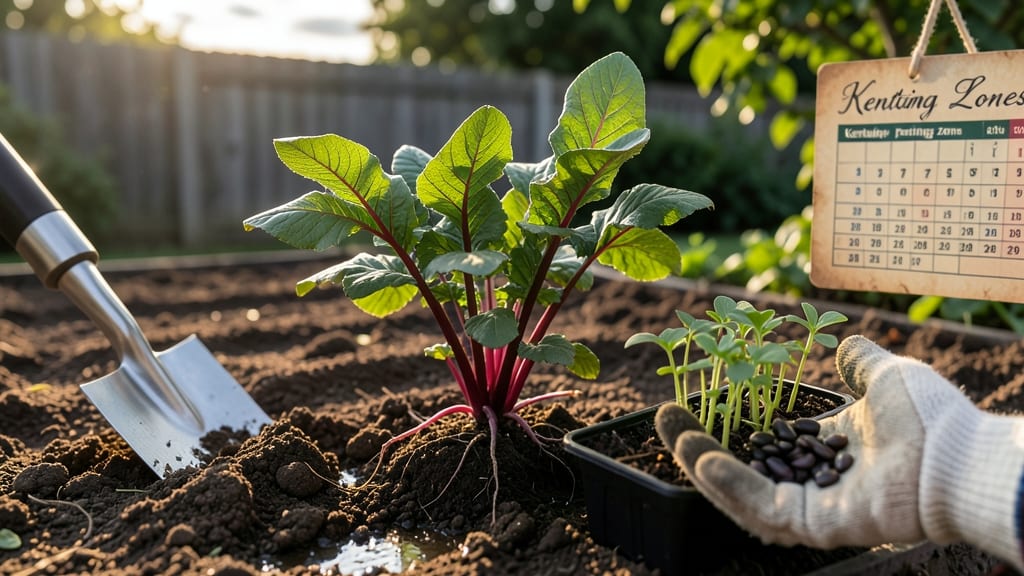
Timing your beet planting in Kentucky isn't just about the calendar—it's about beating the unpredictable frost that can turn your garden dreams into a gamble.
With USDA Zone 6a conditions, those early March mornings might still hide a surprise freeze, while July heat can stress young seedlings if you're not careful.
The secret to success? Planting your 🍠 beets 4-6 weeks before your last frost date (typically mid-April) for spring harvests, or in early July for fall crops that mature before the first frost in mid-October.
This window gives your beets the 50-70 days they need to grow sweet, tender roots without bolting from heat stress.
I've learned the hard way that Kentucky's humidity and variable weather demand a little extra planning. Whether you're growing Detroit Dark Red for storage or Chioggia for their stunning rings, getting the timing right means the difference between a bumper crop and a disappointing patch.
Let me show you exactly when to plant for maximum flavor and yield.
From soil prep tricks to variety-specific schedules, we'll cover everything you need to know to make your beet harvest consistently successful. No more guessing—just reliable, tasty beets straight from your Kentucky garden.
Kentucky beet planting calendar: frost dates by growing Zone
Kentucky’s diverse USDA zones (5b-7a) mean your last frost date can vary by 2-3 weeks between northern and southern regions. For beet success, timing is everything—plant too early, and frost will damage tender seedlings; too late, and summer heat causes bolting (premature flowering).
Most of Kentucky falls in Zone 6a-7a, with average last frost dates between mid-April and early May. In Zone 5b (northeastern KY), expect frost until May 15, while Zone 7a (southern KY) sees mid-April as the cutoff.
Always check your local frost date using the National Weather Service or Kentucky Climate Center.
Beets thrive in cool weather (50-75°F), making spring and fall the ideal planting windows. In Kentucky, this translates to two key periods: early spring (March-April) and late summer (July-August) for a fall harvest before frost.
For spring planting, aim to sow seeds 4-6 weeks before your last frost date. In Zone 6a, this means mid-March to early April. Use row covers if planting in late February to protect seedlings from late frosts.
🌱 Kentucky Beet Planting Timeline by Zone
| Zone | Last Frost | Spring Planting Window | Fall Planting Window | First Frost |
|---|---|---|---|---|
| 5b (Northeast KY) | May 15 | Late March - Early April | July 15 - August 1 | October 15 |
| 6a (Central KY) | April 20 | Mid-March - Early April | July 1 - July 15 | October 1 |
| 7a (Southwest KY) | April 1 | February 28 - March 15 | June 20 - July 1 | September 30 |
*Adjust dates based on microclimates (e.g., valleys vs. hilltops).
For fall harvests, plant seeds 90-100 days before your first frost. In Zone 6a, this means early July for a late October harvest. Avoid planting after August 15, as long daylight hours trigger bolting.
Kentucky’s humidity and summer heat can stress beets, so succession planting is key. Sow seeds every 2 weeks in spring and 3 weeks in fall to ensure a continuous harvest. Use shade cloth in peak summer to protect seedlings from heat stress.
Pro tip: Test soil temperature before planting—beets germinate best in soil above 50°F. Use a soil thermometer to avoid waiting too long in cool springs. In Zone 5b, wait until soil warms to 55°F for reliable germination.
Remember, beet greens are more heat-tolerant than roots. If summer planting fails, focus on harvesting greens for salads and cooking while letting roots mature in cooler fall weather. 🌱
Kentucky beet planting calendar: frost dates by growing Zone
Kentucky’s USDA Zones 5b-7a create unique challenges for beet growers, where last frost dates can vary by weeks from northern to southern regions. In Zone 6a, where most of Kentucky falls, your last frost typically hits around mid-April, while first frosts arrive in mid-October.
This means your planting windows are tight—just 165 frost-free days to grow beets from seed to harvest.
For spring plantings, I recommend starting seeds indoors 4-6 weeks before your last frost (around early March) or direct-sowing outdoors 2-3 weeks before (late March). Fall plantings should begin in early July to ensure roots mature before winter sets in.
Missing these windows risks bolted greens or frost-damaged roots, both of which ruin flavor and texture.
The key to success lies in soil temperature—beets need soil temps above 40°F to germinate. Use a soil thermometer to confirm readiness, especially in cooler northern Kentucky regions where Zone 5b frosts linger longer.
Warmer Zone 7a areas can push planting slightly later, but don’t wait past early May for spring crops.
| Planting Window | Zone 5b (Northern KY) | Zone 6a (Central KY) | Zone 7a (Southern KY) |
|---|---|---|---|
| Spring Planting | Late March - Early April | Mid-March - Late April | Early March - Early May |
| Fall Planting | Early July - Mid-August | Late June - Early September | Mid-June - Late September |
| Harvest Window | June - Early October | May - Mid-November | April - Late November |
Don’t overlook succession planting—Kentucky’s short season demands it. After your first harvest in late June, sow a second batch every 2-3 weeks until mid-July to stretch your production.
This technique ensures a continuous supply of fresh beets, even as summer heat intensifies. For fall crops, prioritize varieties with 50-60 day maturity to beat the mid-October frost.
Pro tip: Use black plastic mulch in early spring to warm soil faster and extend your planting window by 1-2 weeks. This simple trick helps Zone 5b gardeners push their last frost date back, giving seedlings a head start. Just
Kentucky’s humidity and heat can stress beets, so always pair your planting schedule with proper soil prep. Amend beds with compost for drainage and mulch heavily to retain moisture. With these adjustments, you’ll transform Kentucky’s unpredictable climate into your beet-growing advantage.