
Plants
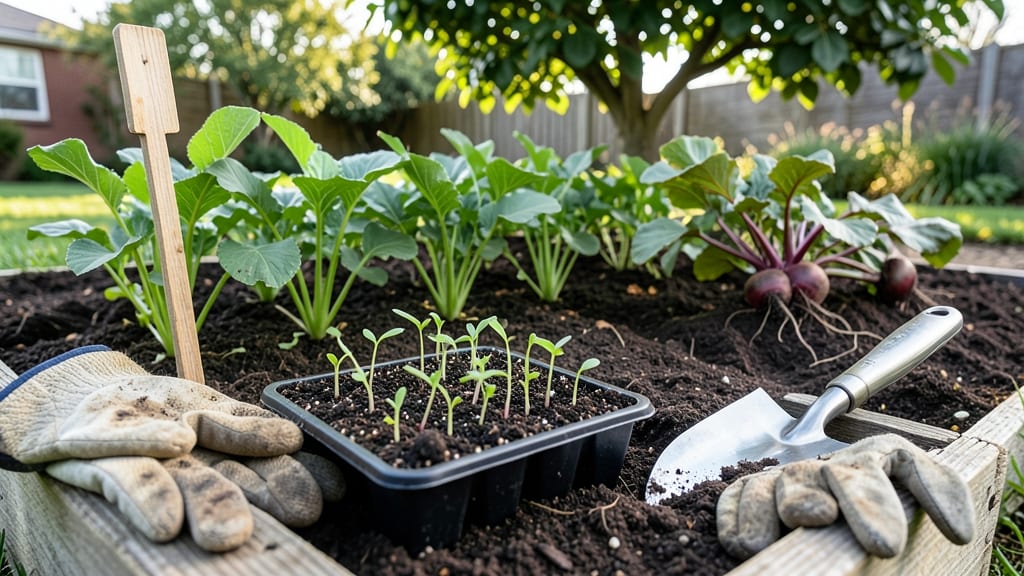
Knowing when to plant beets in Zone 6b isn’t just about following a calendar—it’s about unlocking a harvest that’s fast, abundant, and free from the frustration of bolting or stunted growth.
In my garden, the difference between a 50-day beet crop and one that struggles for months comes down to timing tied to your last frost date and soil warmth.
Beets like it cool but not cold, which means planting too early in Zone 6b can leave them sitting in chilly soil, delaying germination for weeks.
On the flip side, waiting too long risks summer heat sending them straight to seed before you even get a chance to enjoy their earthy sweetness. The sweet spot? A 40-85°F soil temperature window that aligns with your local frost dates—something I’ll break down so you never guess again.
What you’ll discover here is how to calculate your exact planting windows for both spring and fall crops, plus the 3 critical adjustments that separate a mediocre beet patch from one that produces tender, vibrant roots all season long.
No more second-guessing—just a foolproof schedule tailored to Zone 6b’s unique climate quirks.
Whether you’re a first-time gardener or a seasoned grower looking to refine your method, these insights will help you double your beet yield this year. Let’s get those seeds in the ground at the perfect moment—because timing, as it turns out, is everything when it comes to 🍠.

Optimal planting weeks before last frost in Zone 6B for beets
Beets thrive in Zone 6B when planted at the right time—too early, and they’ll bolt from cold stress; too late, and you’ll miss the 60-70 day harvest window.
The ideal window is 3-4 weeks before your last frost date, which for most of Zone 6B falls around March 15-April 1. This timing ensures soil temperatures hit 40-50°F, perfect for germination.
For a second harvest, aim for late July to early August, giving beets enough time to mature before first frost (mid-October). This succession planting strategy extends your harvest from summer through early fall.
Always check your local USDA Plant Hardiness Zone Map for precise frost dates—some microclimates in Zone 6B may vary by 1-2 weeks.
Soil temperature is critical—beets won’t germinate well below 40°F or above 85°F. Use a soil thermometer to confirm readiness. In cooler microclimates, opt for cold-hardy varieties like Detroit Dark Red, while warmer pockets suit Chioggia or Golden Beets better.
Here’s your foolproof Zone 6B beet planting timeline:
| Stage | Action | Soil Temp (°F) | Notes |
|---|---|---|---|
| Early Spring (March 15-April 1) | Sow seeds ½" deep, 1-2" apart | 40-50°F | Use row covers if nights dip below 35°F |
| Late Summer (July 15-August 1) | Sow seeds for fall harvest | 60-75°F | Avoid planting after August 15 to prevent bolting |
| Germination | 7-14 days (soil 50°F+) | 50-85°F | Keep soil moist but not soggy |
| Thinning | 3-4" apart when 2" tall | 50-75°F | Use scissors to avoid disturbing roots |
| Harvest | 60-70 days after sowing | 50-70°F | Pull when roots are 1-3" in diameter |
Pro tip: For early varieties like Babybeat, start seeds indoors 4-6 weeks before last frost and transplant seedlings when soil warms to 50°F. This shaves 10-14 days off your growing season. Always harden off seedlings for 3-5 days before transplanting to avoid shock.
If you’re new to Zone 6B gardening, test your soil in early March using a soil thermometer. Bury it 2 inches deep and check daily—consistent 50°F+ means it’s safe to plant. In cooler years, delay until April 1 to avoid bolting (when beets flower prematurely and become woody).
For fall planting, stop sowing by August 15 to ensure beets mature before first frost. Use row covers to extend the season by 2-3 weeks if needed. Always space fall plantings 10-14 days apart for a staggered harvest.
Remember: Beets are cool-season crops, meaning they perform best when soil temps stay below 80°F. If summer heat arrives early, opt for shade cloth or plant in partial shade to prevent bolting. This is especially critical in Zone 6B’s hotter microclimates like parts of Virginia or Kentucky.
🌱
Optimal planting weeks before last frost in Zone 6B for beets
In Zone 6B, your last frost date typically falls around April 15, but this can vary by 1-2 weeks depending on your exact location. For beet germination, soil temperatures must reach at least 40°F—cold soil slows down sprouting and can lead to rot.
Aim to plant 4-6 weeks before your last frost for a head start on the growing season.
Most gardeners in Zone 6B start beet seeds indoors in early March or directly sow them outdoors in late March to early April. This timing ensures seedlings emerge before bolting (premature flowering) becomes a risk, which happens when days lengthen past 14 hours.
For a fall harvest, plan to sow seeds in late July to early August to mature before the first frost.
| Planting Window | Soil Temp | Weeks Before Last Frost | Notes |
|---|---|---|---|
| Early Spring (March-April) | 40-50°F | 4-6 weeks | Best for early varieties like 'Detroit Dark Red' |
| Late Summer (July-August) | 60-70°F | 10-12 weeks before first frost | Ideal for 'Chioggia' (golden beets) |
| Indoor Start (March) | 65-75°F | Transplant 3-4 weeks before last frost | Extend season for heat-tolerant varieties |
For succession planting, sow new seeds every 2-3 weeks after your initial planting until June 15. This staggered approach ensures a continuous supply of tender beets throughout the summer.
Avoid planting after mid-summer if you want to harvest before frost—beets sown too late may not mature fully before cold weather sets in.
Use a soil thermometer to confirm readiness—beets won’t germinate well in soil below 40°F, even if the air feels warm. If your soil is still chilly, opt for cold-hardy varieties like 'Early Wonder Tall Top' or cover seeds with row fabric to retain heat.
Mulching with straw can also help regulate soil temperature.
Pro tip: Mark your last frost date on your calendar and count backward. For Zone 6B, March 15-April 1 is your prime window for direct sowing. If you miss this, don’t panic—just adjust for shorter-day varieties that bolt less easily, like 'Ruby Queen'.
Remember, beets are cool-season crops, so they’ll tolerate light frosts after sprouting. In fact, a light frost can even sweeten their flavor! Just avoid planting when hard freezes are forecasted.