
Plants
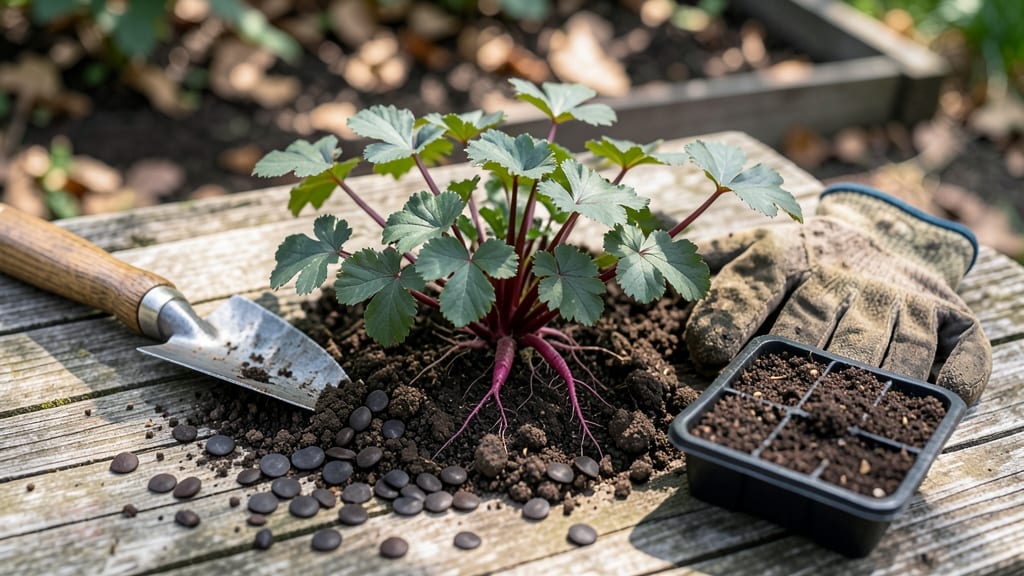
Knowing when to plant beets in Zone 8b can mean the difference between sweet, tender roots and tough, bitter ones. With mild winters and a long growing season, timing your 🍠 harvest just right is key to avoiding the heat that turns beets woody.
Most gardeners in Zone 8b focus on two perfect windows: early spring (February-March) and late summer (August-September). These periods give your beets enough cool weather to develop properly before the heat sets in. But getting the timing wrong can leave you with disappointing results.
In this guide, I’ll break down the exact weeks before frost that work best for each planting window. You’ll learn how to adjust for your local microclimate, avoid common mistakes, and even use succession planting to keep a steady supply of fresh beets all season.
Ready to grow beets that are sweeter and more abundant? Let’s dive into the secrets of perfect timing for Zone 8b gardeners.

Optimal planting windows for beets in Zone 8b: exact weeks before frost
Zone 8b’s mild winters and long growing season give you two prime windows to plant beets: early spring and late summer. Timing these correctly ensures sweet, tender roots instead of tough, woody ones.
The key is planting 4-8 weeks before your first expected frost in November and 8-12 weeks before summer heat peaks.
For spring plantings, aim for mid-February to early March when soil temperatures hit 45°F. This gives roots 60-70 days to mature before summer heat arrives. Fall plantings should start late August to mid-September to harvest before November’s first frost.
Both windows avoid the bolting risk from extreme heat or cold.
Here’s the exact timing breakdown for Zone 8b, including soil temp thresholds and frost-free days:
| Planting Window | Soil Temp | Weeks Before Frost | Harvest Window |
|---|---|---|---|
| Early Spring (Feb-Mar) | 45-50°F | 8-12 weeks | April-June |
| Late Summer (Aug-Sep) | 50-60°F | 4-6 weeks | Oct-Nov |
Zone 8b’s 245 frost-free days let you stretch plantings further than cooler zones. For spring, start seeds indoors 4-6 weeks before transplanting outdoors. For fall, direct-sow outdoors 8-10 weeks before frost to avoid heat stress. Succession plant every 2-3 weeks in spring for continuous harvests.
Watch for local microclimates—valleys may frost earlier than hills. Use a soil thermometer to confirm temps. If nights dip below 50°F, use row covers to protect young seedlings. Cold-hardy varieties like ‘Detroit Dark Red’ thrive in these conditions.
In late summer, focus on shade cloth if temps exceed 85°F to prevent bolting. Drip irrigation keeps soil moist without stressing plants. Mulch heavily to maintain even soil temps. These tweaks ensure sweet, crisp roots regardless of season.
For fall plantings, aim to harvest before November 15. If frost hits early, cover beds with straw mulch to insulate roots. Baby beets (harvested at 1-inch diameter) are perfect for late-season successions. Storage beets like ‘Chioggia’ keep well if cured before frost.
Pro tip: Test soil pH (ideal: 6.0-7.0Amend with compost if needed. Over-fertilizing leads to leafy growth at the expense of roots. Balanced 5-10-10 fertilizer applied lightly at planting is enough.
Remember: Zone 8b’s long season is a gift—use it to double your harvests with smart timing. Spring + fall plantings mean fresh beets year-round. Start now, and you’ll enjoy sweet, homegrown roots from April to November!
How to adjust planting for fall vs. spring beets in Zone 8b
Zone 8b’s mild winters and warm summers create two perfect windows for growing sweet, tender beets: spring and fall. But each season demands different strategies to avoid bolting, woody roots, or poor flavor. Let me break down how to time your plantings for maximum success.
For spring beets, aim to sow seeds 4-6 weeks before your last frost date—typically between mid-February and early March in Zone 8b. This gives roots time to mature before summer heat sets in.
In contrast, fall beets thrive when planted 8-10 weeks before your first frost, usually late August to early September, ensuring a harvest before cold snaps arrive.
| Season | Planting Window | Key Considerations |
|---|---|---|
| Spring | Mid-February to Early March | Avoid bolting with shade cloth; harvest before summer heat. |
| Fall | Late August to Early September | Use row covers for early frosts; prioritize cold-hardy varieties. |
Succession planting is your secret weapon in Zone 8b. For spring crops, sow seeds every 2-3 weeks until early April to stagger harvests. In fall, repeat this process every 3 weeks from mid-August until early September.
This ensures a continuous supply of fresh beets without overwhelming your garden at once.
Soil prep matters just as much as timing. Before planting, amend your soil with compost or aged manure to improve drainage—beets hate soggy roots. In summer heat, mulch heavily with straw to retain moisture and prevent bolting.
For fall plantings, focus on cold-hardy varieties like 'Detroit Dark Red' or 'Golden', which tolerate light frosts better than others.
Watch for heat stress signs like yellowing leaves or premature bolting. If your beets start flowering too early, provide afternoon shade with a lightweight row cover or move them to a partially shaded spot. In fall, protect young seedlings with frost blankets if temperatures dip below 40°F.
With these adjustments, you’ll enjoy crisp, sweet beets from spring through fall—no bitter surprises here! 🌱