
Plants
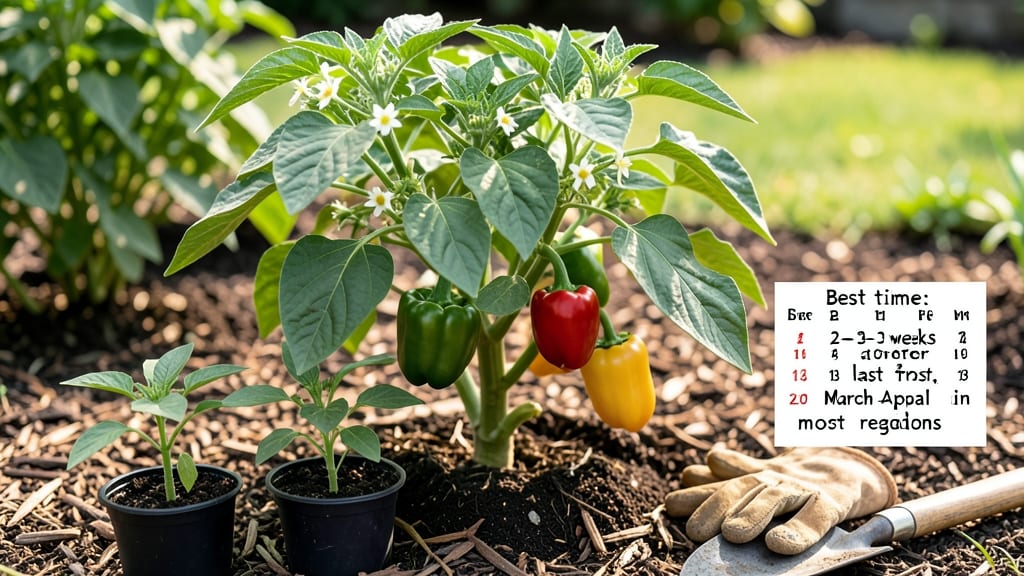
Timing your 🌶️ bell pepper planting in California isn’t just about the calendar—it’s about dodging the two biggest threats to your harvest: premature bolting from cool soil and wilting under scorching inland sun.
Get it wrong, and you’ll either watch your plants flower too soon or struggle with heat stress before they even fruit.
California’s 9-11 USDA zones create a puzzle of microclimates where coastal 10-11 areas can plant as early as February, while inland valleys (zones 9-10) must wait until March or April. The key? Soil temperature—wait until it hits 60°F+ to transplant seedlings, or you’ll risk stunted growth and bitter peppers.
I’ve grown 🌶️ bell peppers across California’s heat zones, and the difference between a bumper crop and a failed patch often comes down to these 3 simple rules: plant at the right time, protect seedlings from heat spikes, and space them properly to maximize airflow.
Let’s break down the exact strategy for your region.
Whether you’re in foggy Santa Cruz or the Central Valley’s 100°F+ summers, you’ll learn how to time your plantings for zero bolt risk, extend your harvest window, and even use companion plants to keep your peppers thriving. Ready to grow peppers that actually produce?
California heat-zone planting calendar for bell peppers (avoiding bolt risk)
California’s bell peppers thrive when planted at the right time, but the state’s microclimates create challenges. Coastal areas like San Francisco stay cooler longer, while inland valleys like the Central Valley heat up faster.
The key is timing plantings to align with soil temperatures and heat thresholds—typically 60°F+ for germination and 75°F+ for fruiting.
Unlike frost-prone regions, California’s frost-free growing season spans nearly year-round, but heat stress is the real enemy. Bell peppers bolt (prematurely flower) when exposed to consistent temperatures above 90°F, so coastal plantings start earlier while inland areas wait until later.
Let’s break it down by USDA zones and microclimates to avoid common pitfalls.
For coastal gardeners, February–March plantings align with soil warming trends after winter rains. Test soil with a thermometer—pepper seeds need consistent 60°F+ temperatures to germinate. Inland areas should wait until March–April when daytime highs stabilize above 70°F, reducing the risk of heat-induced bolting.
Pro tip: Hardening off seedlings is critical in California’s variable climate. Acclimate plants to outdoor conditions over 7–10 days before transplanting, especially if moving from indoor starts to outdoor heat. Gradually increase sun exposure to prevent transplant shock, which stalls growth and invites pests.
If you’re in a high-desert region like Palm Springs, avoid planting before April. The desert’s intense sunlight and low humidity can cause seedlings to scorch within days. Opt for shade-tolerant varieties like 'Arpad F1' or 'Carmen' and use drip irrigation to keep roots cool.
For northern California (e.g., Redding or Sacramento Valley), late March plantings work best. The Sacramento River Delta area benefits from cooler nights, allowing peppers to mature without bolting. Monitor nighttime temperatures—if they drop below 55°F, use row covers to protect young plants.
One common mistake? Planting too late in coastal fog zones. While fog delays soil warming, it also reduces evaporation. Wait until soil reaches 60°F (not just air temperature) before planting. A soil thermometer is your best friend—55°F soil can still cause poor germination.
To maximize yields, align your planting with California’s heat zones and variety maturity dates. Early-season varieties like 'Early Cal Wonder' mature in 60–65 days, while late-season 'King of the North' takes 80+ days.
Coastal gardeners can squeeze in two plantings (February and May), but inland areas should stick to one spring planting to avoid summer stress.
Signs your bell peppers are stressed (and how to adjust planting)
Bell peppers in California often show stress signals when planted at the wrong time or under poor conditions. The most common issue is premature bolting—when plants flower too early due to cold soil or inconsistent temperatures.
Watch for yellowing leaves or stunted growth, which usually mean your peppers are struggling with heat or drought stress.
Another red flag is excessive leaf drop or blossom end rot, often caused by uneven watering or calcium deficiencies. If your peppers develop wrinkled skin or small, deformed fruit, it’s a sign they’re either too hot or not getting enough nutrients.
Adjusting your planting timing—or providing shade cloth—can often reverse these issues.
Cold Soil Stress: If your soil temperature drops below 60°F, seedlings may rot or grow slowly. Use black plastic mulch to warm the soil faster in coastal areas or delay planting until mid-March.
For inland valleys, where heat is the bigger threat, look for wilting leaves or sunburnt patches on peppers. These symptoms mean your plants need afternoon shade or more frequent watering. Harden off seedlings gradually by exposing them to direct sun for 2-3 hours daily before transplanting to avoid shock.
Premature flowering is another clue your peppers are reacting to stress from inconsistent temperatures. If you see flowers forming before the plant is established, try moving seedlings to a slightly cooler microclimate or use shade cloth (30-50%) during peak afternoon sun.
This trick works especially well in Southern California’s inland zones.
To diagnose stress quickly, compare your plants to healthy ones: dark green leaves, firm stems, and consistent growth are all signs of thriving peppers. If your plants look leggy or pale, they’re likely getting too much shade or not enough light.
Adjust your planting location or use reflective mulch to boost sunlight exposure.
Once you spot stress, act fast! For heat stress, water deeply in the early morning and mulch with straw or wood chips to retain moisture. If the issue is cold-related, delay planting until soil reaches 65°F+ or use row covers for extra protection.
Regular monitoring keeps your peppers productive all season.